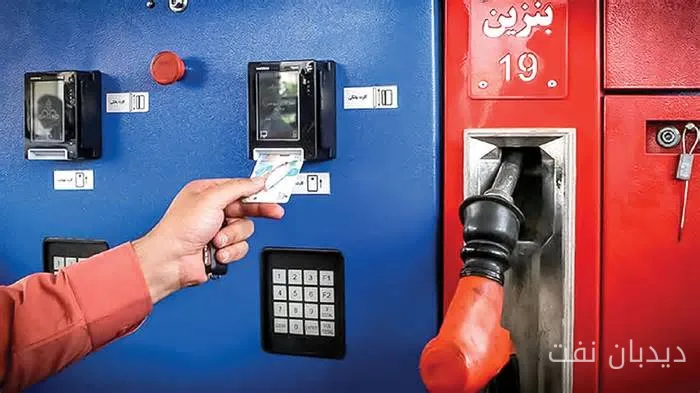
The identification scheme for emergency fuel cards has begun on a trial basis at 54 selected stations in Tehran. This action is in line with the requirements of the seventh development program and the comprehensive plan for the supply and allocation of energy carriers in the transportation network, and is set to be expanded across the country within the next three months after resolving operational issues. This scheme has been recognized by experts as a solution to address supervisory gaps in the country's gasoline distribution network.
Details of the Scheme and Its Objectives
According to the National Iranian Oil Refining and Distribution Company, about 40 percent of the country's gasoline consumption is done through emergency cards of station operators. In the previous mechanism, the use of these cards was not necessarily linked to the specific identity of the consumer or the vehicle's license plate. However, with the identification of emergency cards, the driver must first authenticate using their bank card before a four-digit code is issued in the form of a voucher to enable refueling. In the trial phase, the amount of fuel can be determined up to 25 liters per transaction, and a fee of 1,000 tomans has also been reported for this process.
Read more: Danaus is seeking to list its dry cargo section in Norway
Challenges and Implications of the Scheme
The manager of the national smart fuel system stated that the goal of this scheme is to reduce the operator's involvement at the station, increase transparency, and manage the allocation and withdrawal of fuel, especially at border points. According to Abbas Basafa, emergency cards were initially intended for situations where the personal card was forgotten, but the amount withdrawn from them reached about 40 percent in Shahrivar. Given that the average daily gasoline consumption has exceeded 130 million liters and the production capacity of domestic refineries is estimated at about 120 to 122 million liters per day, the daily discrepancy of 10 to 15 million liters between production and consumption has turned fuel supply into a costly issue for the government.
A senior energy economics expert emphasized the urgent need to reconsider the mechanism for distributing free fuel, identifying the root of gasoline problems as extending beyond pricing to weaknesses in data governance in the final distribution loop. According to Reza Sadeghi, more than one-third of the country's gasoline is distributed without being connected to a national ID or vehicle license plate; a situation that complicates the separation of actual consumption from smuggling and abnormal behaviors.
The spokesperson for the Energy Commission of the Parliament also announced plans to transfer all fuel cards to individuals' bank cards by the end of the year. According to Reza Sepahvand, the trial implementation of the scheme began at the beginning of Mehr in five provinces and is expected to gradually cover all stations in these provinces. Additionally, the mechanism for withdrawing fuel quotas with bank cards is being arranged in the Ministry of Economy so that the quotas can be utilized through this method.
The identification of emergency fuel cards can transform not only the refueling process but also the informational architecture of the gasoline distribution network. With bank authentication and the recording of time, location, and amount of fuel dispensed, the ability to identify patterns of repeated withdrawals within a short time frame increases, and this information helps supervisory systems to detect abnormal behaviors more quickly.
Read more: Holding a specialized exhibition in Iran focused on technical and engineering services in Turkmenistan · The implementation of the refueling scheme with bank cards in Tehran has begun



