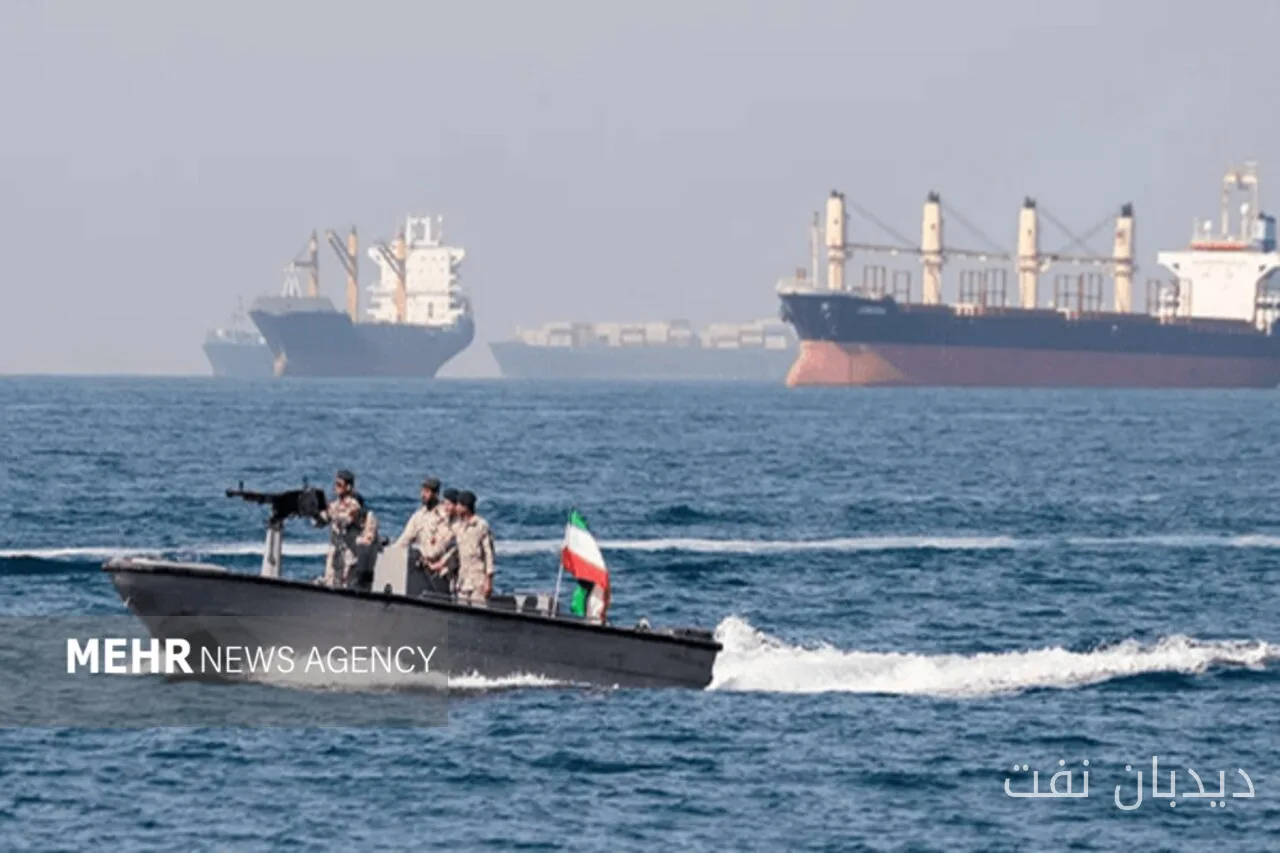
The plan "Strategic Action for Securing and Advancing the Strait of Hormuz and the Persian Gulf" is being reviewed in the National Security and Foreign Policy Commission of the Islamic Consultative Assembly. This plan is designed to stabilize the sovereignty of the Islamic Republic of Iran and establish new arrangements for navigation in the Strait of Hormuz. The general principles of this plan have been approved by the commission, and the details are still under review.
New penalties for violators
In the latest stage of reviewing this plan, the National Security Commission has proposed penalties for vessels that do not comply with the regulations regarding passage through the Strait of Hormuz, including temporary seizure of the vessel and confiscation of 20 percent of the cargo or its value. Additionally, specialized branches within the judiciary are planned to be formed to handle these cases, with the presence of judges and experts in maritime law and international maritime law.
Read more: Iraqi and Witkoff faced severe criticism in New York
The role of the Strait of Hormuz in the global economy
Mohammad Baqer Qalibaf, the Speaker of the Islamic Consultative Assembly, has highlighted the importance of the Strait of Hormuz from the perspective of the global economy. He believes that the "risk of the Strait of Hormuz" has become a significant factor affecting oil prices. This position indicates that the Assembly is seeking to define new rules and stabilize Iran's role and sovereignty in this waterway.
Ibrahim Azizi, the head of the National Security Commission, considers the Strait of Hormuz as one of Iran's power-building capacities and emphasizes that the Islamic Republic must leverage its position in the Persian Gulf to enhance its power and secure national interests. Furthermore, Ahmad Nadri, a member of the Assembly's board, has stressed that the Strait of Hormuz must remain a "strait" and its economic and strategic advantages must be preserved.
The Assembly's plan is not limited to security issues but also encompasses the economic aspects of utilizing the strait. In one of the approved provisions of this plan, it is anticipated that fees will be charged for maritime and safety services from vessels of countries permitted to transit through the Strait of Hormuz. This fee can be collected in rials or in a currency determined by the Islamic Republic of Iran.
Rouhollah Motafakkerazad, a member of the Assembly's board, has emphasized that if the United States seeks to remove the Strait of Hormuz from Iran's control, such a thing is not possible. He considers the Strait of Hormuz a geopolitical asset for Iran and stated that there is no possibility for Iran to concede in this regard.
Read more: Changing Iran's defense doctrine with proportional power production in the Ministry of Defense · Trump once again published the map of the Strait of Hormuz as the 'Trump Strait'



