The International Energy Agency (IEA), aiming to facilitate access to global energy resources, has decided to accelerate the release of nearly 100 million barrels from its emergency oil reserves. This includes over 20 million barrels of diesel, and the decision was made following a prolonged crisis in the Strait of Hormuz, which has significantly impacted global energy supply.
Details of the Oil Reserve Release
This decision was announced after a meeting held on Thursday with the IEA's board of directors. During this meeting, increasing concerns were raised about the diesel shortage, high fuel prices, and renewed attacks on commercial vessels in the Middle East. The International Energy Agency stated that member countries have so far released nearly 330 million barrels from emergency reserves under a release agreement approved in March. This agreement was made in response to the conflicts in Iran.
Read more: Iran's Oil Production Decreases to 2.16 Million Barrels per Day Due to Gas Imbalance
Market Analysis and Implications
According to the IEA statement, although the initial agreement included 400 million barrels of oil and petrochemical products, some member countries have released more than their initial commitments. This means that the final total of releases is likely to exceed 400 million barrels. However, this decision primarily focuses on accelerating previous releases, and there does not appear to be a plan for new emergency releases.
The IEA has also warned that the global diesel shortage may continue until 2027. In the October oil market report, the agency stated that disruptions in production and exports from the Middle East and Russia have removed about 1.3 million barrels per day of diesel and gasoil exports in September compared to last year. While crude oil exports from the Gulf have significantly improved from their lowest levels at the beginning of the conflicts, exports of refined petrochemical products continue to face severe restrictions.
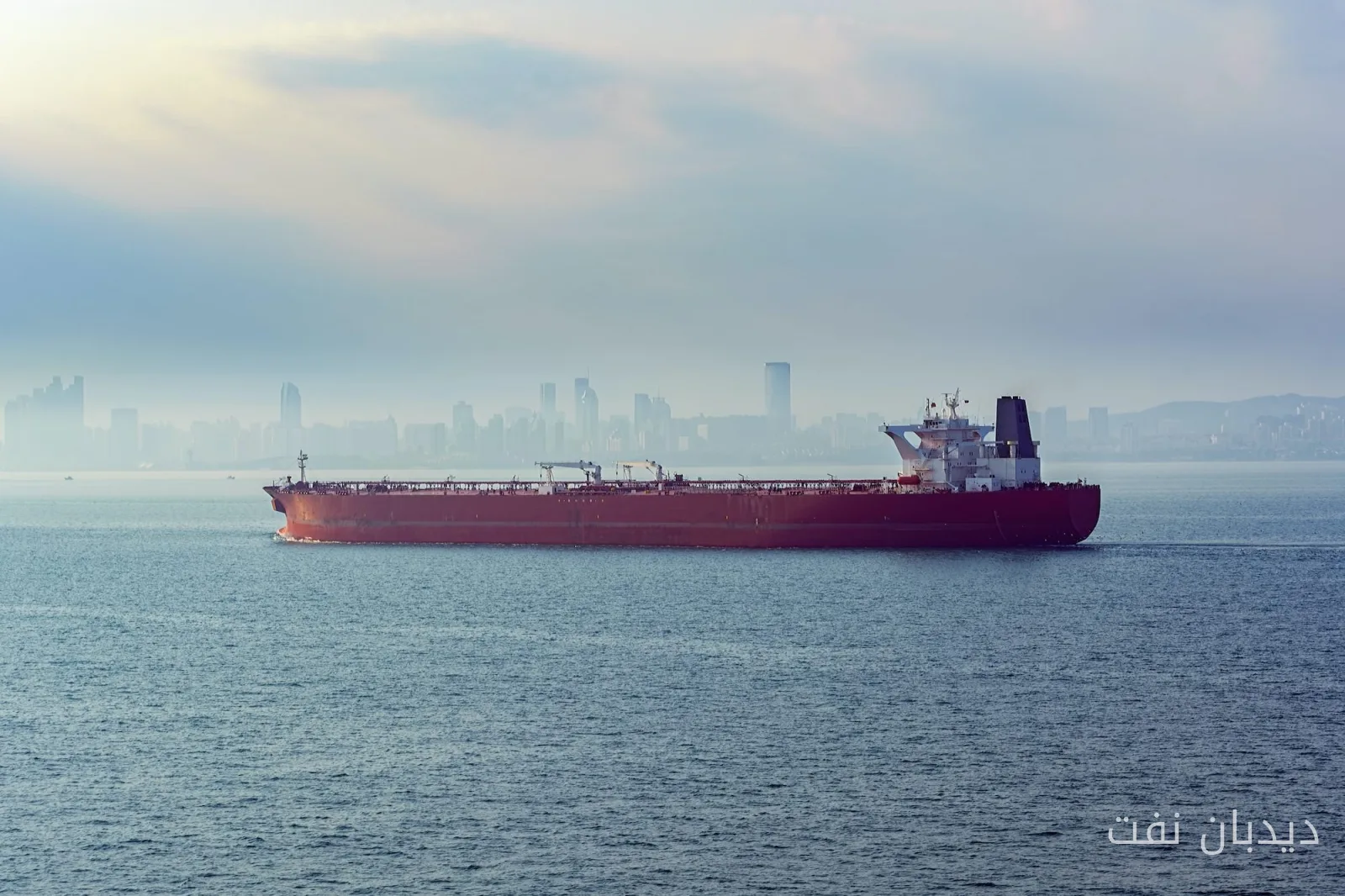
Oil transport through the Strait of Hormuz reached 10.9 million barrels per day in September, driven by increased tanker movements and ship-to-ship transfers in the Gulf of Oman. In October, attacks on commercial vessels have intensified, including the sinking of a Singapore-flagged container ship named GFS Pride, which was struck by a projectile while passing through the Strait of Hormuz.
These ongoing disruptions have also led to a reduction in global oil inventories. It is estimated that oil inventories at the end of September were 509 million barrels lower than pre-war levels, making the market more vulnerable to subsequent supply shocks.
Ultimately, the IEA board has urged member countries to increase their supplies, especially of diesel, and emphasized the importance of maintaining the free flow of energy trade. The agency has also stated that it will continue to monitor emergency releases and will provide further recommendations to G7 leaders based on updated market assessments, with a special emphasis on diesel supply.
Read more: Finder Energy Begins Drilling Three Wells in East Timor · Sinking of Second Cargo Ship Near the Strait of Hormuz in the Last 24 Hours