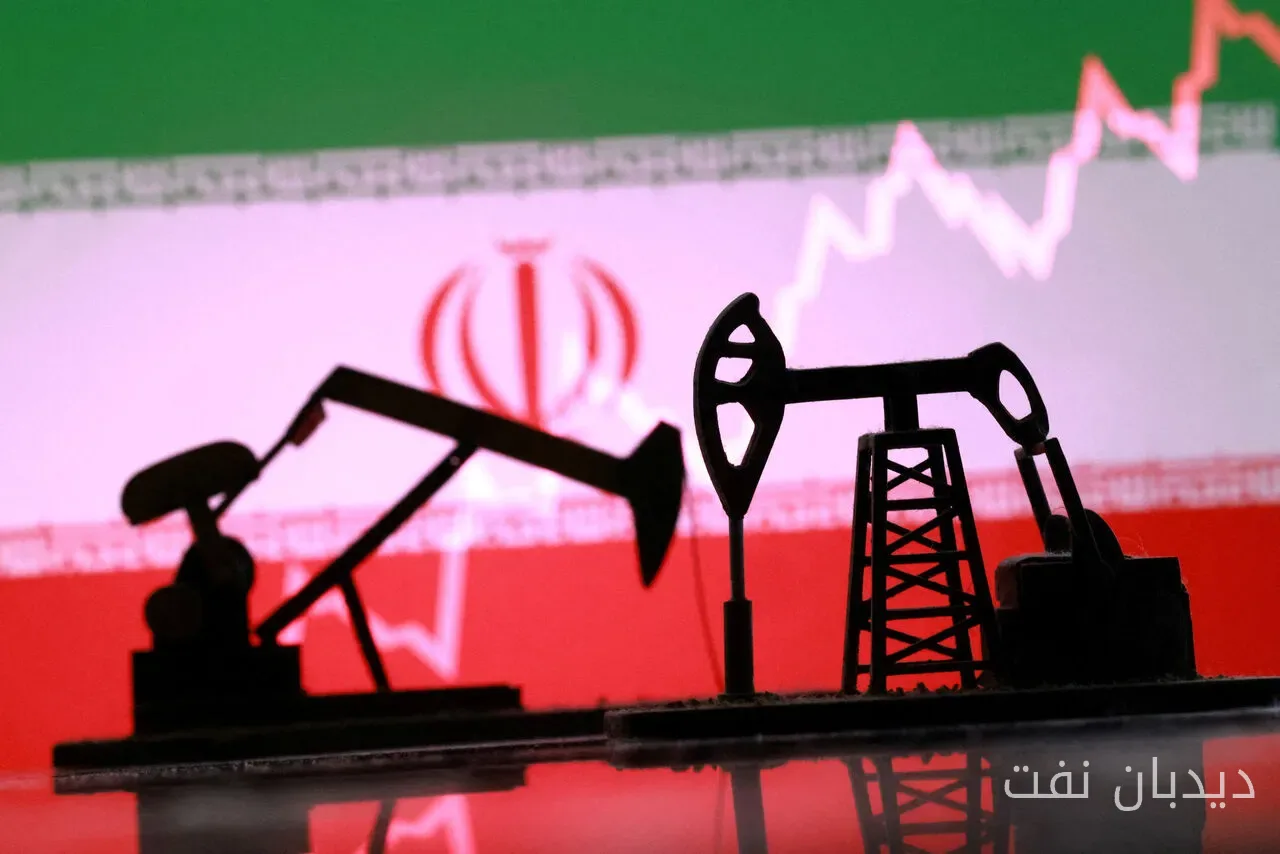
The decrease in Iran's oil production to 2.16 million barrels per day is a result of the gas imbalance in the country. This imbalance has not only restricted industrial activities but has also put significant pressure on the energy supply network and could harm one of the country's most important sources of foreign revenue. As Iran's oil production has faced a significant decline due to wartime developments, the reduction of gas available for injection into oil reservoirs increases the risk of a sustainable decline in production capacity.
Consequences of Gas Imbalance on Oil Production
Statistics from the International Energy Agency show that Iran's oil production has decreased from about 3.4 million barrels per day in January to 2.72 million barrels per day in July and around 2.16 million barrels in August. This reduction indicates a drop of about 1.24 million barrels per day, which could become a long-term problem for the oil industry. The gas imbalance, as an issue beyond household and industrial consumption, could damage the ability to extract oil in the coming years.
Read more: TMC Compressors Selected for FPSO Maromba Upgrade in Brazil
The Vital Role of Gas in Maintaining Oil Production Capacity
Natural gas acts as a vital product in many oil fields. Injecting gas into oil reservoirs not only helps maintain reservoir pressure but also improves well production rates. If gas injection into oil fields decreases, well production rates may decline, making extraction from oil reserves more difficult. Therefore, limiting gas supply does not merely mean a reduction in fuel available to consumers but could lead to decreased oil production in the future.
The decline in oil production amid wartime conditions, coupled with the limitation on gas injection, has put the oil industry under two different pressures. The first pressure arises from reduced production due to operational disruptions, and the second pressure stems from the potential for further declines in production capacity in the future due to decreased reservoir pressure. These two issues can exacerbate each other and make the recovery of production more challenging.
The Risk of Losing Oil Production Capacity
A reduction in gas injection into oil reservoirs does not necessarily mean the definitive loss of oil reserves, but in reservoirs that depend on continuous injection, long-term reductions in injection can worsen extraction conditions. If gas supply improves in the future, the return of production to previous levels is not guaranteed and may require additional costs for well recovery and pressure maintenance operations.
Ultimately, the gas imbalance may incur costs beyond industrial limitations and increased pressure on the energy network. The risk of damage to production capacity in the coming years is the result of a combination of operational disruptions, reduced gas injection, and delays in implementing reservoir maintenance plans. This issue may not limit economic losses to the current period and could continue even after restrictions are lifted.
A sustainable decline in oil production, given the country's economic dependence on oil revenues, could impact future export capacity and revenue generation. Therefore, timely management of the gas imbalance and the recovery of oil production is essential.
Read more: Trump Administration Announces Oil and Gas Extraction in Greenland · Cargo of Oil Tanker Discovered on Sanctions Route on 2023-10-15