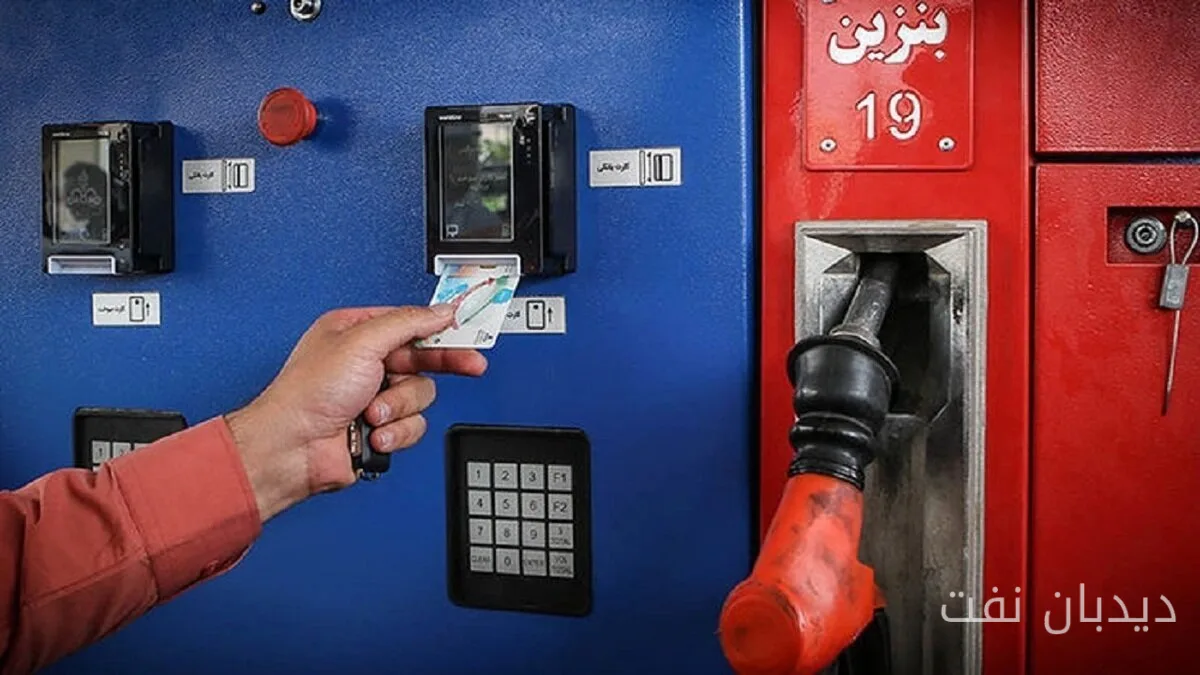
The fuel card coding scheme has been implemented to organize the distribution of petroleum products and combat fuel smuggling in four border counties of South Khorasan. This scheme, which was launched on Thursday afternoon (November 7), aims to better control fuel distribution and reduce queues at stations in border areas.
Targeting and Geographical Conditions
South Khorasan, with its shared border with Afghanistan and its unique geographical position, has always faced challenges in border control and combating the smuggling of goods and petroleum products. The implementation of the fuel card coding scheme is an independent measure for managing vehicle refueling locations and controlling the distribution of products.
Read more: Huntington Ingalls stock rises 13% after positive financial report
Fuel cards for local vehicles in the province, as well as non-local vehicles that have a history of refueling in the province, can refuel at the stations in these four counties. The goal of this scheme is to organize refueling, prevent off-network supply, and reduce the potential for fuel smuggling. Given the geographical conditions and border position of the province, these goals are of high importance.
Challenges and Potential Consequences
However, the implementation of any restrictive policy in the field of fuel distribution requires careful consideration of the living conditions of the people and transportation needs. The launch of the coding scheme in border counties has been accompanied by some disruptions in refueling, and several local vehicles have faced difficulties in obtaining fuel. The National Iranian Oil Products Distribution Company has attributed these disruptions to the loading of new information.
Counties like Nehbandan and Sarbisheh, due to their specific geographical conditions, require stable and hassle-free access to fuel. In such conditions, any disruption in fuel supply can impact the lives and livelihoods of the people. Additionally, determining the status of non-local vehicles, travelers, and passing drivers is another challenge ahead.
Ultimately, the success of this scheme depends on the readiness of technical infrastructure and accuracy in identifying eligible vehicles. This action, aimed at reducing fuel smuggling and better organizing the distribution of petroleum products in South Khorasan, is of great importance.
Read more: Port workers strike in protest against militarization and wages at 20 global ports · Seventeen thousand liters of smuggled fuel discovered in Bandar Abbas and Jask