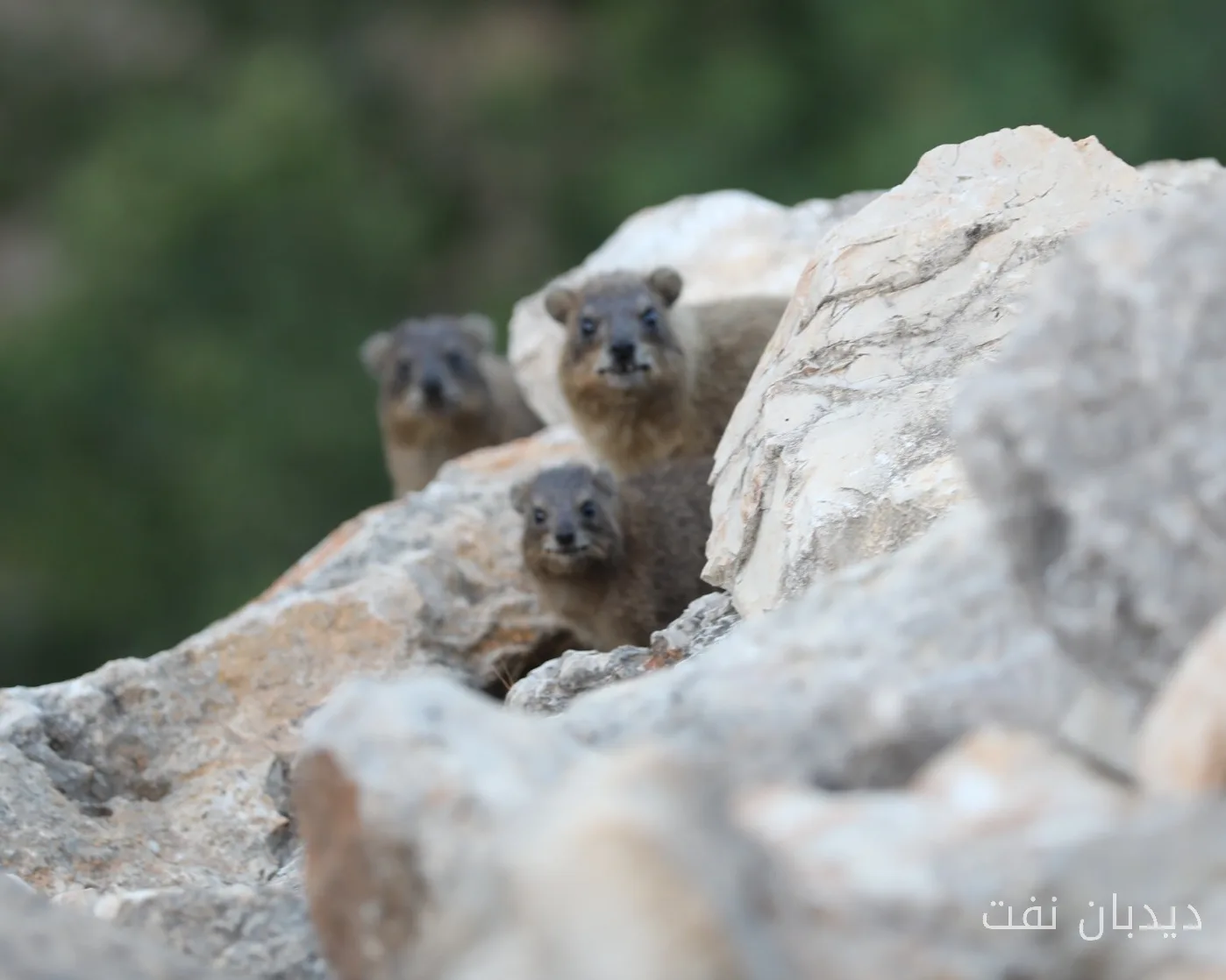
Wars are usually measured by the number of casualties, destroyed homes, and obliterated cities, but less attention is paid to what happens beneath the rubble. Throughout southern Lebanon, repeated explosions not only bring about human catastrophe but also destroy the ancient rocky habitats that have sheltered colonies of "Hyrax" for centuries.
Destruction of Habitats and Wildlife
In the meantime, the Syrian rock hyrax is heavily dependent on the fragile landscapes of this region. This small creature not only represents biodiversity but also symbolizes the fragility of local ecosystems. As the founder of an environmental organization in this area, I have sought to document the damage caused by war on forests, wildlife, and the fragile border ecosystems.
According to statistics, wars lead to widespread environmental destruction and degradation. While public attention is focused on human casualties and urban devastation, the reality is that wars can have endless environmental consequences. These destructions not only harm wildlife but also affect the quality of human life.
The Future Outlook and Our Responsibility
It is time to come to terms with the bitter truth that wars do not only destroy human lives but also lead to the annihilation of ecosystems and biodiversity. The rock hyrax is currently facing serious threats, and this is what we need to pay attention to. As humans, we must take our environmental responsibilities seriously and prevent the destruction caused by war.