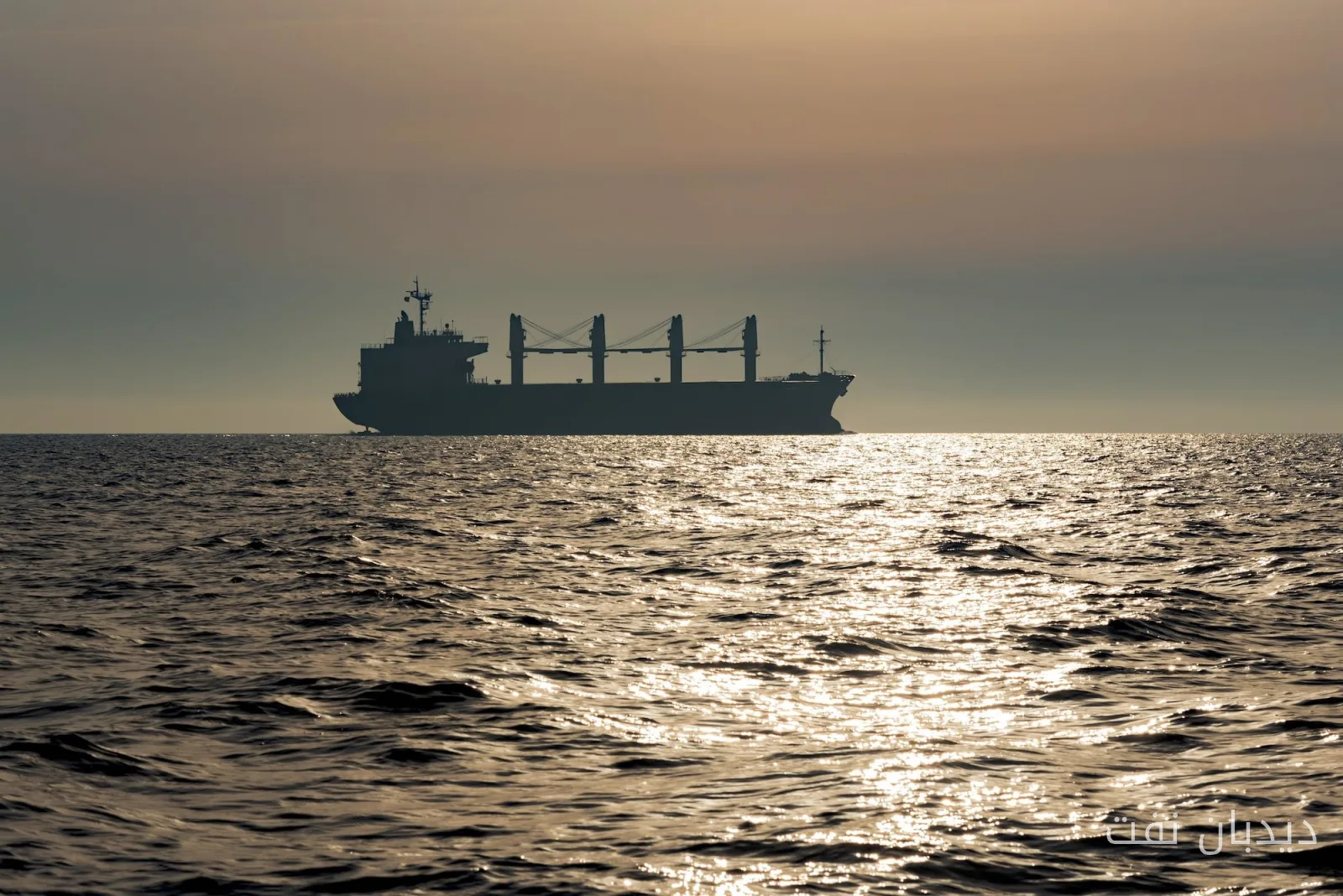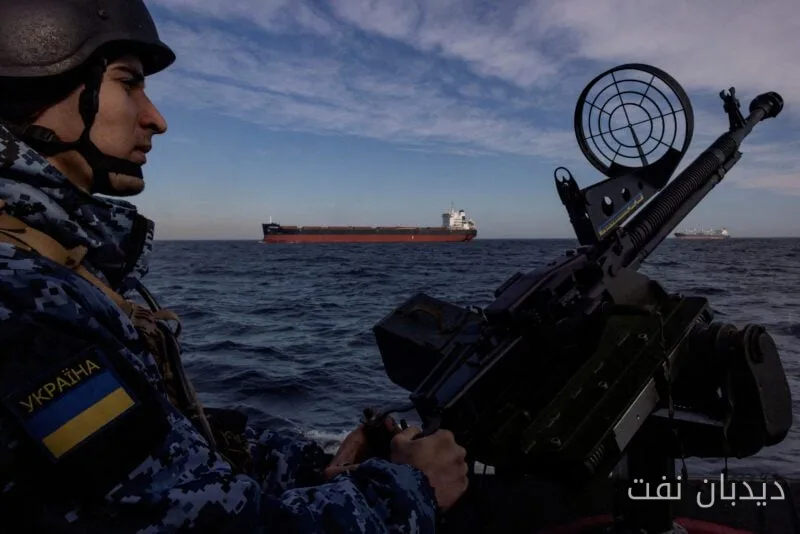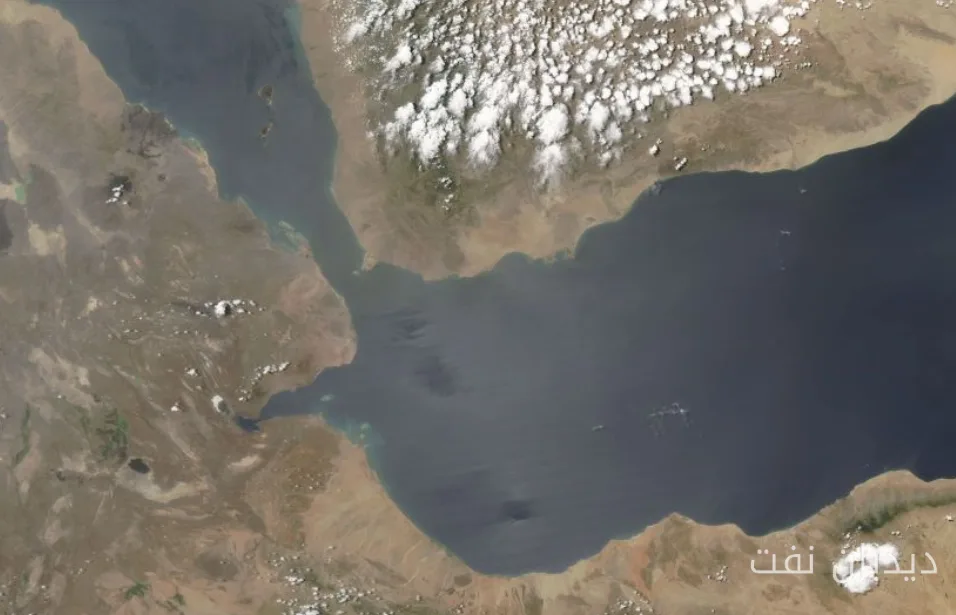
The Houthi group, by seizing parts of the Red Sea, has gained a new platform for challenging global navigation. This group has taken control of the port of Mocha, the island of Mayyun, and the archipelagos of Zuqar and Hanish, which were previously under the control of Yemen's government forces.
Geographical and Economic Impacts
The Bab-el-Mandeb Strait, which is about 32 kilometers wide, is located between the Arabian Peninsula in the northeast and the Horn of Africa in the southwest, directly connecting the Red Sea to the Gulf of Aden and the Indian Ocean. This geography is highly significant, as Mayyun Island divides a waterway used by international navigation. Historically, this passage accounts for nearly 12 percent of global trade.
Read more: Maritime traffic in the Bab-el-Mandeb Strait has sharply decreased
Although the African side of the Bab-el-Mandeb Strait is still not under Houthi control, the group's advance in September 2026 has seriously impacted the economy and security of Egypt, Ethiopia, Djibouti, and Eritrea, and may exacerbate existing conflicts in Somalia and Sudan.
Security and Military Consequences
The Houthis, an armed group aligned with Iran, have been at war with the internationally recognized government of Yemen since they took control of the capital in 2014. Currently, this group may be capable of deploying missiles, mines, and fast boats along the Red Sea. At the same time, Iran retains the ability to block the Strait of Hormuz, increasing the risk of simultaneous disruptions in two critical maritime chokepoints, which could leave ships without a safe route in the Red Sea.
Disruption in the Red Sea has widespread implications for four economic channels in Africa: transportation and insurance costs, port revenues, energy and food prices, and maritime security risks. Egypt faces the most direct financial risk and is expected to incur a cost of about $7 billion due to reduced maritime traffic in the Red Sea following Houthi attacks on commercial shipping.
In the wake of the conflicts, over 2,000 people from western Yemen have fled to the northern shores of Djibouti, and new clashes have caused the number of refugees to rise to nearly 94,000 since early September 2026.
Djibouti is also a key trade route for Ethiopia, which, being landlocked, conducts 95 percent of its trade through Djibouti. Eritrea is also at the forefront of vulnerability, and its geographical position is attractive to Saudi Arabia and Egypt to prevent Iranian and Houthi influence on the African side of the Red Sea.
Read more: Iran is on the verge of holding the largest public exercise · The likelihood of an increase in gasoline prices in U.S. states considering consumption trends