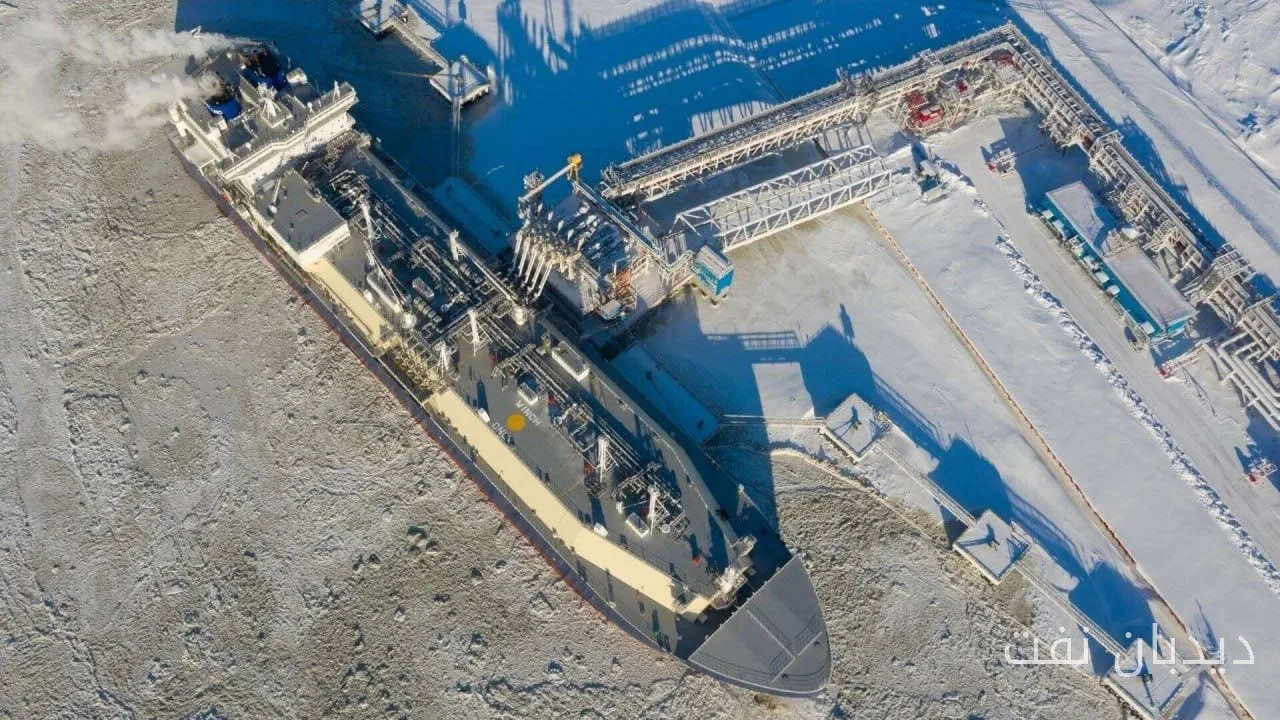
In the first nine months of 2026, the European Union imported 12.18 million tons of liquefied natural gas (LNG) from the Yamal project in Russia. This import was made at a cost of approximately 7.88 billion euros. This information has been obtained according to an analysis by a German environmental group.
Growth of liquefied natural gas imports
Imports of liquefied natural gas from Russia to the European Union during this period have increased by 9.5 percent compared to the previous year, while total Yamal deliveries globally have decreased by 1.3 percent. Based on transportation data analysis, Europe received 167 shipments, which accounts for 85 percent of the total recorded deliveries by volume.
Read more: Sale of two LR1 tanker shipments by Larine Tankers to Emirati buyers
Consequences of future sanctions
These figures indicate the continued importance of the European Union market for Russian natural gas trade while the Union is planning to gradually reduce imports of liquefied natural gas from Russia. It is estimated that the costs for the European Union include 2.88 billion euros in the first quarter, 3.08 billion euros in the second quarter, and 1.92 billion euros in the third quarter.
Deliveries in the third quarter of this year have decreased by 13.6 percent compared to the previous year, reaching 2.21 million tons. However, September shipments reached 792,440 tons, slightly higher than the same month last year, with an estimated value of 818 million euros.
These figures are released ahead of the October 18 deadline for the U.S. government to implement regulations related to the Russia and Iran sanctions law, which was passed on September 18. This law authorizes new sanctions against certain foreign vessels involved in transporting Russian energy to circumvent sanctions.
Urgewald campaign expert, Sebastian Rotters, stated that Europe's ongoing purchases allow Russia to maintain a significant market nearby and give European governments leverage in this trade. He also pointed out that the ban on short-term contracts has so far had little impact on trade, and a complete ban on imports by 2027 is needed to create serious pressure on Russian LNG business.
Restrictions on LNG imports from Russia under existing short-term contracts were implemented on April 25. Additionally, the EU's general ban, which includes existing long-term contracts, is set to take effect from January 1, 2027. Urgewald has stated that September deliveries have shown no significant impact from these restrictions so far.
Logistical challenges of the Yamal project
Yamal's dependence on Europe is also a logistical issue. This project relies on a small fleet of Arc7 class icebreaker ships designed to operate in polar waters. European terminals and shipyards provide a nearby destination that allows ships to be quickly unloaded and repaired before returning to Yamal. This quick return is particularly important in winter conditions when eastern voyages via the Northern Sea Route to Asia become more difficult.
Read more: The United States sanctions 22 tankers and several individuals and companies for trading Iranian oil · The commander of Ukraine's drone forces reported the deactivation of 300 ships



