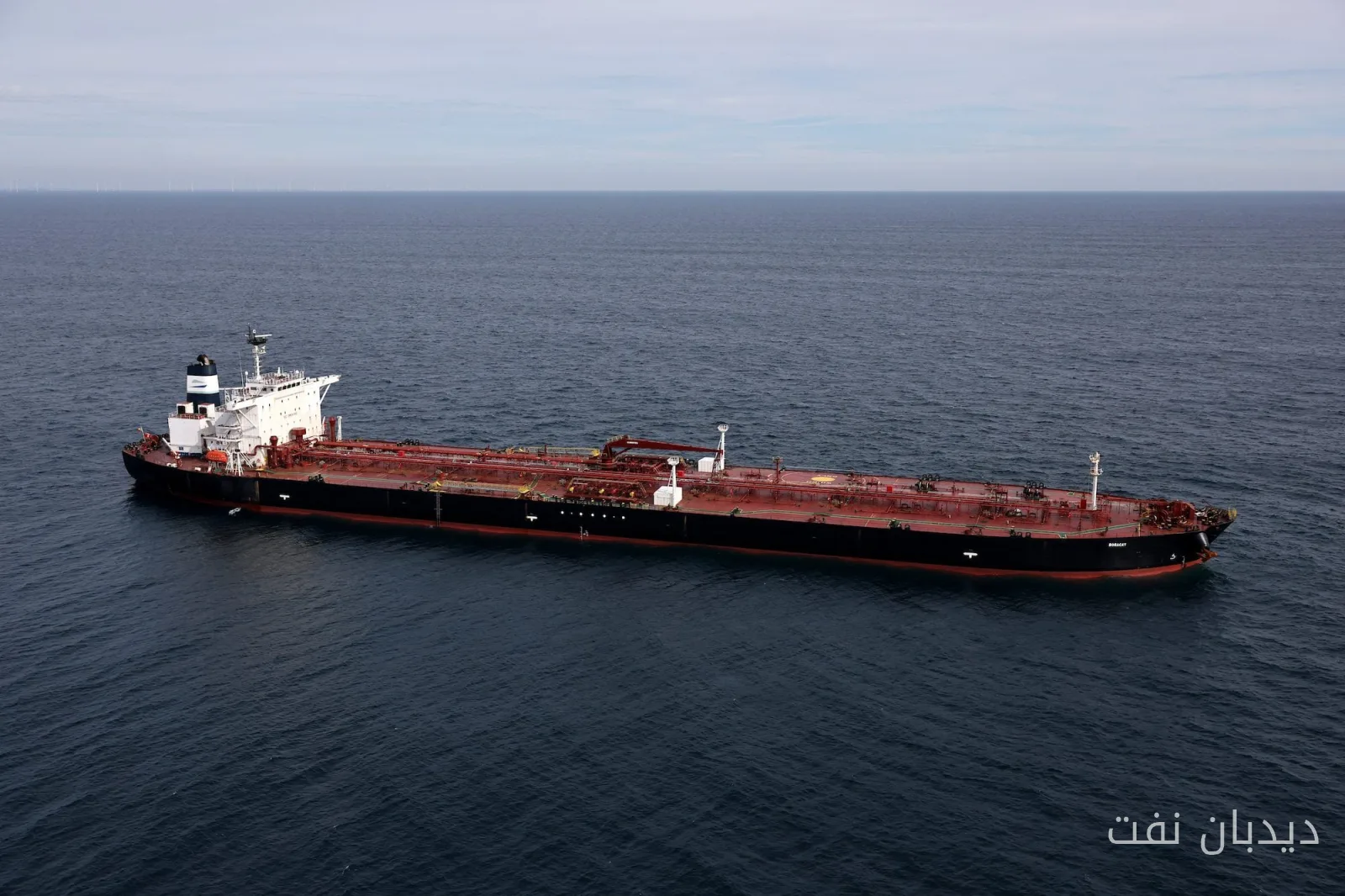
On October 9, 2026, the Dutch government proposed legal changes aimed at strengthening measures against Russia's shadow fleet. This action follows increasing concerns about Russian ships circumventing international sanctions and their suspicious activities.
Details of the legal proposal
Under this proposal, the Netherlands could identify and seize ships operating under false flags in the exclusive economic zone of the country. If this bill is approved, ships suspected of belonging to Russia's shadow fleet could be forced to stop at a port or anchorage for further inspection. These legal changes will enable the Dutch government to more effectively deal with ships suspected of violating sanctions.
Read more: Taylor Marie Time reached the last ship in the asset reduction program
Russia's reaction to recent developments
Following this proposal, the Russian embassy in the Netherlands quickly responded, warning of potential consequences. In a social media post, the embassy asked whether The Hague is prepared for Russia's countermeasures. According to Russian officials, Moscow could respond proportionately to hostile actions against its ships. This statement reflects the growing tensions between the two countries and the possibility of escalating countermeasures.
Additionally, European countries are generally on high alert to prevent potential threats from Russia on their soil. In particular, attacks on commercial ships off the western coast of the Black Sea are increasing, and several ships have recently been damaged as a result of Russian airstrikes.
Conclusion
The Dutch government's proposal represents a new approach to combating illegal activities at sea and an effort to maintain maritime security against Russian threats. These legal changes could have significant implications for international relations and sanctions actions against Russia.
Read more: Macron emphasized France's nuclear readiness · Rescue operations for the sanctioned tanker Caroline Beznik continue off the coast of Yemen



