The connection of a new 60-kilometer underwater cable linking the Greek island of Folegandros with Santorini and Naxos has joined Greece's main power grid. This news was announced by the Independent Power Transmission Operator of Greece (IPTO).
Details of the Southern Cyclades Electrical Connection Project
This link is part of the Southern Cyclades electrical connection project, which was completed earlier this summer and connects the islands of Santorini, Folegandros, Milos, and Serifos to the main power system via Attica.
Read more: Transformation in the maritime industry focusing on modern technologies by John McDonald
The Southern Cyclades project is the fourth and final phase of a program aimed at upgrading the energy infrastructure of the Cyclades islands. This project, with a budget of 385.7 million euros, includes 294 kilometers of high-voltage underwater and underground cables, along with four digital converter stations with gas insulation (GIS).
Impacts and Consequences of the Project for the Cyclades Islands
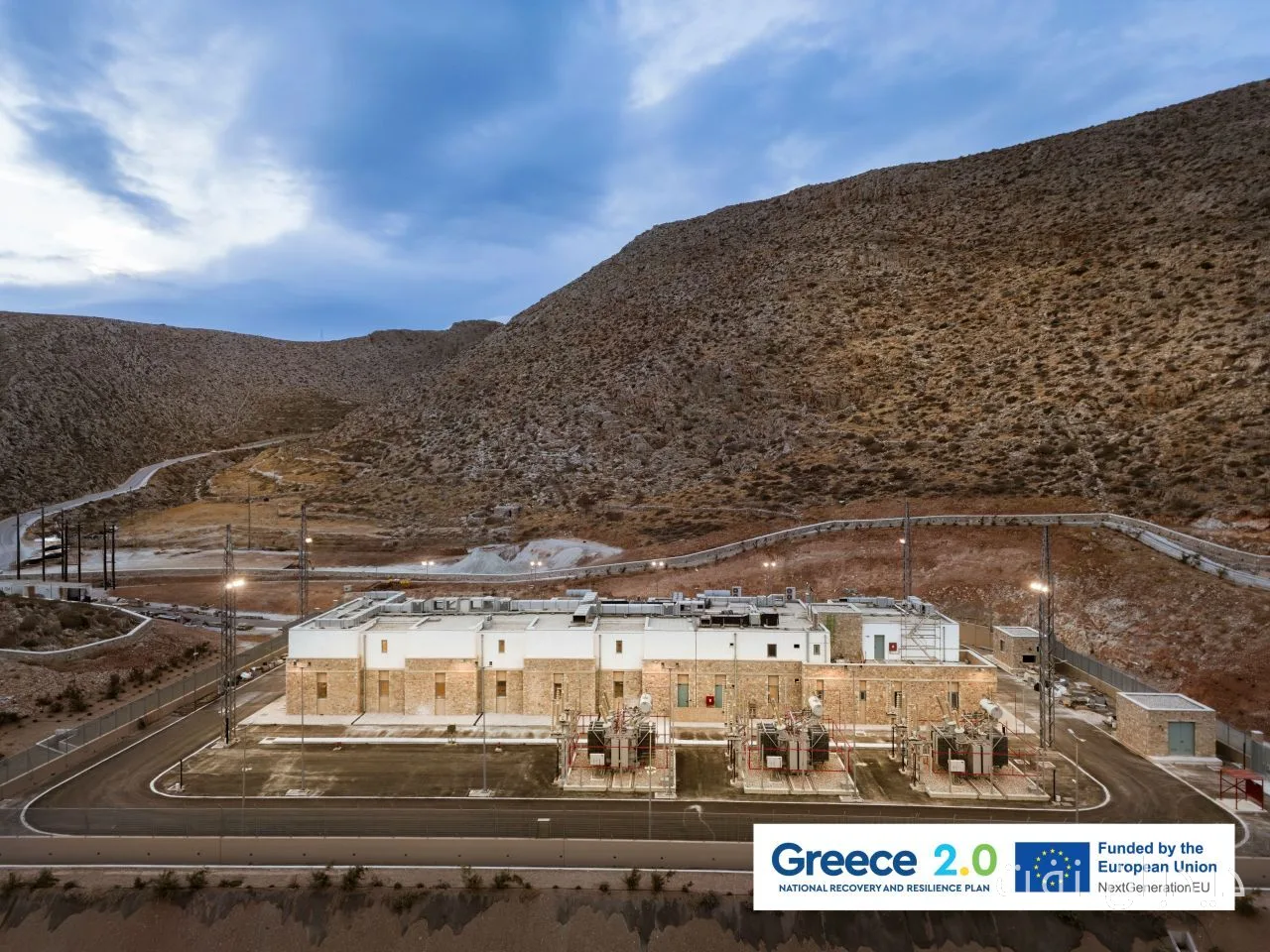
The converter station built to supply power to Folegandros is one of four stations utilizing GIS technology. Manos Manousakis, President and CEO of IPTO, stated on October 19: "The Southern Cyclades connection, which completes the integration of the group of islands into the high-voltage network, was a technically complex project that enhanced IPTO's expertise. With the commissioning of connections for Santorini, Milos, and Serifos in future periods, we are closing another important chapter of energy projects in the Aegean Sea."
This project has been jointly financed by the European Union through the Greece 2.0 Recovery and Resilience Facility, as well as through loans from the European Investment Bank (EIB) and additional resources from the RRF.
Read more: Fugro completed the 2026 marine survey campaign for the offshore wind energy project in Ireland · Development of cooperation between DeepOcean and TFKable for underwater cable projects