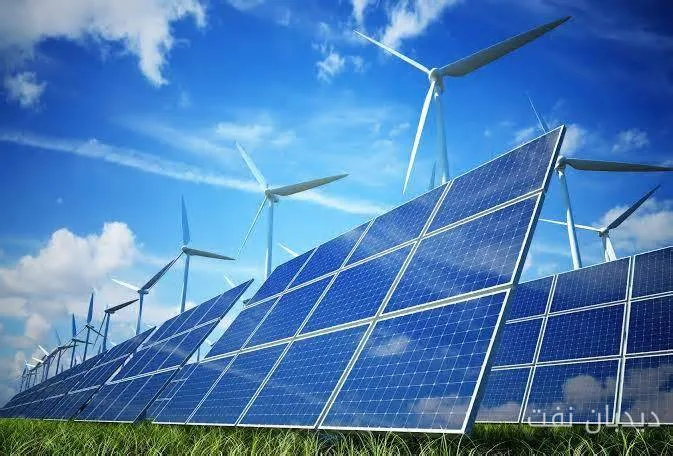
The capacity of the country's renewable and clean power plants has reached 6014 megawatts. This capacity is mainly dedicated to solar power plants and indicates the acceleration of solar energy development among other clean resources.
Details of Power Plant Capacity
According to the latest statistics from SATBA, out of the total 6014 megawatts of capacity created, 5491 megawatts is related to solar power plants. Thus, over 90 percent of the capacity of renewable and clean power plants in the country is attributed to solar energy. In subsequent ranks, wind power plants have 371.6 megawatts, small hydropower plants have 102.9 megawatts, expansion turbines have 25.6 megawatts, and biomass power plants have 22.13 megawatts.
Read more: Energy management in Pars-Jonubi with efficiency projects and solar power plant
The Role of Renewables in Energy Imbalance
Despite the increase in the capacity of renewable power plants, electricity industry officials emphasize that the complete resolution of electricity imbalance cannot solely depend on the development of these power plants. Azimi, the deputy of SATBA, stated in this regard: "The assertion that renewable power plants completely resolve electricity imbalance is incorrect; however, the construction of renewable power plants and the generation of electricity from these plants can help compensate for part of the imbalance."
He also pointed out that a significant portion of the installed power plants in the country consists of thermal power plants, with gas and steam power plants holding a considerable share of this capacity. Alongside this capacity, over 5 percent of the country's power plants are also renewable.
Azimi emphasized the importance of simultaneously managing supply and demand, referring to the reform of consumption patterns and proper management of demand as issues that need to be taken seriously. He also addressed the need to reform the structure of the electricity economy, stating: "This structure has not yet achieved the desired outcome after years and needs to be reformed."
Given the existing capacities, utilizing the existing power plants can help increase electricity production. Azimi also mentioned the construction of steam sections in existing gas power plants as one of the actions that can help increase electricity production capacity. He added: "In this section, there is a capacity of over 4 to 5 thousand megawatts that can be utilized to bring combined cycle power plants into operation without the need for additional fuel consumption."
Azimi also identified upgrading existing power plants and increasing electricity production efficiency as other essential actions, stressing that this issue should receive more attention than before. He further pointed out the importance of developing network infrastructure, adding: "Reforming substations and network lines and appropriate investment in this sector is essential to connect all the energy produced by power plants, whether renewable or other types, to the grid and distribute it across various regions of the country."
Overall, the increase in the capacity of renewable power plants, especially solar power plants, has created a new pathway for increasing electricity production; however, solving electricity imbalance requires a set of simultaneous actions in the areas of production, efficiency, grid, and consumption management.
Read more: The import of electric and hybrid vehicles has faced serious challenges · Hojjatoleslam Mousa Ahmadi announced plans for gasoline regulation



