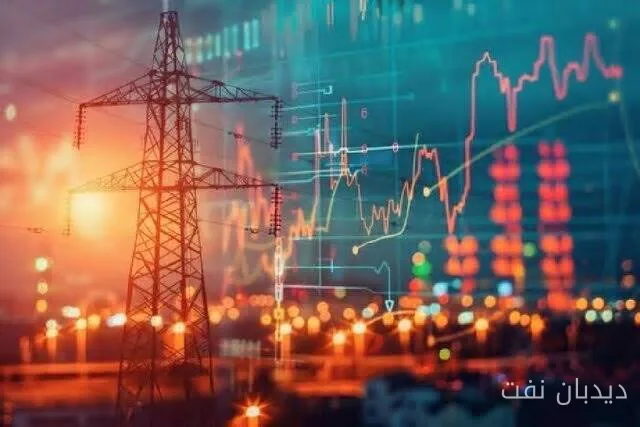
According to data from the Statistics Center of Iran, the share of the water, electricity, and natural gas supply sector in gross domestic product in 2024 is approximately 3.2%. This figure indicates the economic importance of this sector, although the independent share of the electricity industry has not been reported separately in this classification.
Electricity Imbalance and the Need for Transformation
The dimensions of the electricity imbalance in the country also highlight the need for transformation in this industry. According to a report from the Research Center of the Islamic Consultative Assembly, in the summer of 2024, the electricity consumption demand at peak load reached about 80,000 megawatts, while the maximum simultaneous production capacity of the grid was around 62,000 megawatts; therefore, the gap between supply and demand at peak consumption reached about 18,000 megawatts. Additionally, in forecasts before the summer of 2025, considering the growth in demand and production capacity limitations, the possibility of the imbalance increasing to over 24,000 megawatts was raised.
Read more: Marine Institute Report: Technology Must Consider the Experience of Mariners
These figures indicate that the electricity industry in the country needs to enhance its generation capacity, improve power plant efficiency, reduce grid losses, develop renewable energy, implement electricity storage, and manage consumption smartly to meet future demand. Importantly, addressing the imbalance is not solely possible through the construction of new power plants; rather, the operational capacity and overall efficiency of the entire electricity chain must be increased simultaneously.
Support for Innovation and Financing
One of the most important requirements for this transformation is targeted support for innovation and knowledge-based companies. This support should not be limited to providing loans or covering research costs, but should encompass the stages of research, technology development, prototype construction, pilot project implementation, and product commercialization. Creating a primary market for domestic products through innovative purchasing, facilitating companies' access to laboratory infrastructures, and providing opportunities for experimental projects can reduce the risk of introducing new technologies into the electricity industry.
Alongside technological support, reforming financing mechanisms is also of special importance. Utilizing the capital market's capacity through project and energy funds, issuing financial securities, venture capital investment, and private sector participation through private debt instruments can provide the necessary resources for technology development and the implementation of innovative projects. Additionally, large industrial, mining, and petrochemical holdings can play a more effective role in developing self-sufficient power plants, renewable energy, and energy management technologies by creating strategic alliances, pooling financial resources, and leveraging the capacity of subsidiary companies.
On the other hand, developing innovation will face limitations without reforming the economic environment and regulating the electricity industry. Establishing stability in electricity purchase contracts, reducing investment uncertainty, developing bilateral contracts, and enabling active private sector participation are among the measures that can enhance the attractiveness of investment in this industry. Furthermore, the development of energy service companies and the implementation of consumption management projects should be considered alongside increasing production capacity.
Ultimately, sustainably overcoming the electricity imbalance requires the simultaneous integration of three components: technology, financing, and economic governance reform. If government support policies are designed to connect innovation to the market, investment to technology production, and knowledge to economic productivity, Iran's electricity industry can transform from an infrastructure sector with chronic problems to a technological, investable, and competitive industry.
Read more: Kadler Signed the Contract for Installing Dahr Bank Turbines with the Wind Apex Ship · Khuzestan Steel Faces Serious Energy Challenges