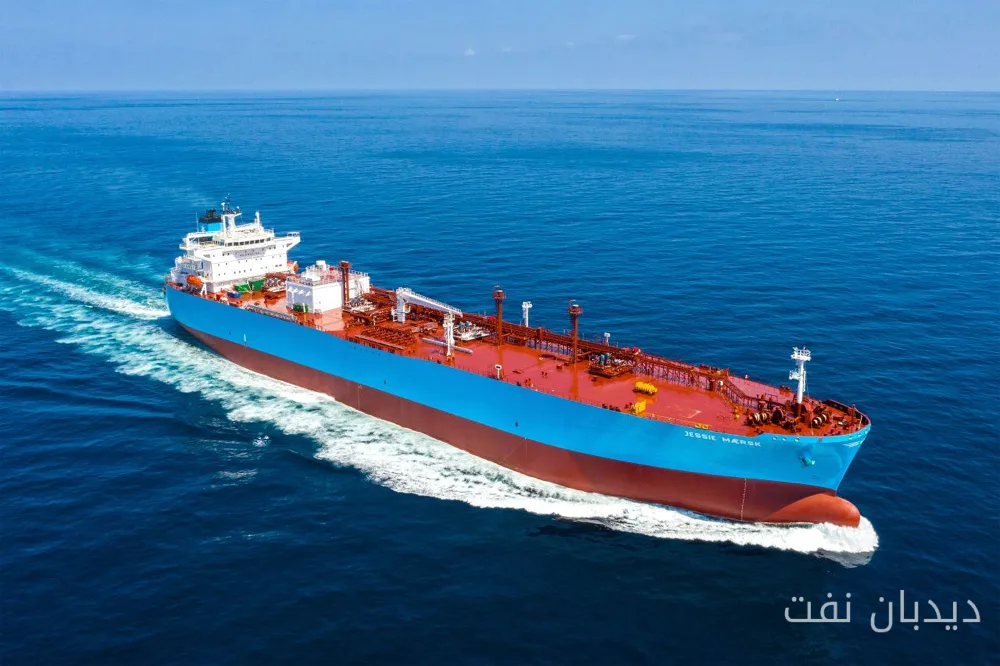
A tanker heading to Texas was recently stopped by the FBI. This action was taken due to concerns about hackers infiltrating the ship's networks. With the increasing reliance of ships and ports on connected technologies, maritime cybersecurity is emerging as a critical defense against threats that could lead to national security risks.
Cybersecurity Challenges in the Maritime Industry
Dr. Amulia Gurtu, professor and head of the Department of Maritime Business Management at Texas A&M University in Galveston, stated: "This problem has two aspects: attackers and defenders." She added that defenders must always stay one step ahead of attackers. "Although hackers may fail 99 percent of the time, a defender cannot afford to fail even one percent. This cybersecurity challenge is no different from border or national security."
Read more: The Necessity of Digital Judgment Skills for Future Mariners
According to Gurtu, maritime transport accounts for about 80 percent of global trade by volume. Piracy of a single ship can have significant effects on global supply chains, which is why maritime cybersecurity is becoming increasingly important. As ports are considered critical infrastructure and ships often operate in national and international waters, a cyber attack is not just a financial or commercial issue; it can become a national security issue.
Defensive Approaches Against Cyber Threats
Gurtu explained that there are two main defenses for ships: prevention and detection. Prevention includes encryption, multi-factor authentication, and designing zero-trust networks. Machine learning is also used to identify unusual behaviors in real-time. However, prevention alone is not sufficient in an ever-changing environment.
Gurtu said: "Once a hacker gains access to the system, they can divert the ship to another destination, making search and rescue operations difficult. Hackers can spoof GPS signals to send a ship's reported position to incorrect locations or exploit network vulnerabilities to disrupt how ports coordinate ship movements." She also noted that much of maritime cybersecurity still relies on the idea of fixed network boundaries, while ships and port vehicles are mobile and constantly crossing different networks.
Gurtu also mentioned that researchers at Texas A&M University in Galveston are undertaking several projects that could enhance cybersecurity in the maritime industry. Dr. Dorsun Ozgun, an assistant professor in the Department of Maritime Business Management, has been working on a research project testing machine learning methods to identify cyber attacks on GPS-equipped port equipment.
Dr. Danegar, another assistant professor in the department, focuses on the cyber resilience of organizations. This ability to recover from cyber attacks is just as vital and complementary to cybersecurity.
Gurtu emphasized that education and research in cybersecurity will remain essential for progress against evolving threats. The Department of Maritime Business Management has a growing cybersecurity track and also participates in conferences and policy discussions alongside industry and government stakeholders.
Read more: The Director of Education in Qarchak Announced the Equipping of 46 Schools with Solar Panels · Super Tanker Shortage Affects Distant Oil Trades