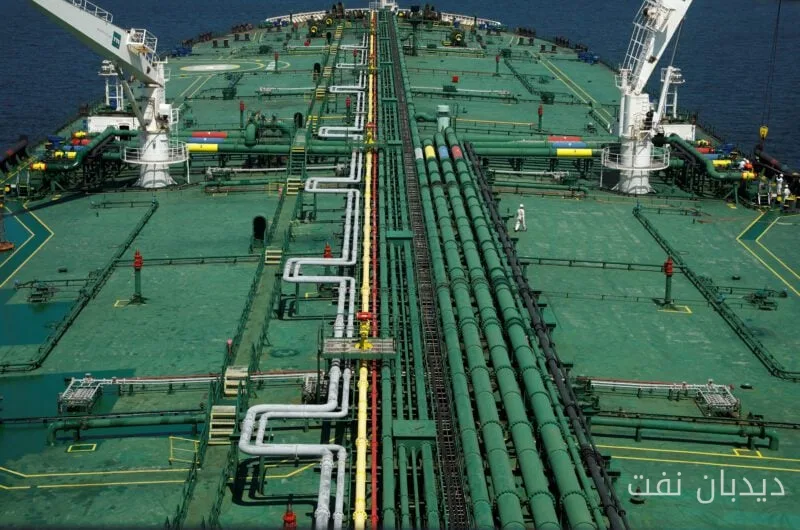
The global shortage of super tankers has led to a significant increase in oil transportation costs. This rise in costs threatens some long-distance oil trades due to their unprofitability, raising concerns about oil supply as the fuel market is under severe pressure.
Rising Costs and Their Impact on Global Markets
Transporting a shipment of oil from Houston to Asia now adds about $26 per barrel to costs, equivalent to $52 million for each shipment. This cost represents nearly a quarter of the future price of West Texas Intermediate oil. Previously, transportation costs accounted for only a small fraction of the total cost.
Read more: New Attacks on Tankers in the Strait of Hormuz Amid Saudi Sanctions
This increase in costs has provided an opportunity for a small group of tanker owners who dominate the market. The value of the world's largest tankers has reached a record close to $70 billion. However, there are concerns among oil traders that transportation costs may rise to a level that prevents some refiners from converting crude oil into fuel.
Impacts on Trade Routes and Cargo Selection
According to ship tracking data, oil flows between the United States and Asia have decreased in recent weeks as transportation costs have nearly tripled. A Japanese refiner recently purchased a shipment of Alaskan crude oil, which is typically unsuitable for processing in the country due to the short travel distance. Meanwhile, demand for nearby cargoes in global markets has clearly increased.
In Europe, crude oil prices have been significantly affected, with Brent crude nearing $110 per barrel and physical Brent crude prices in Europe rising to over $131. This price increase is due to buyers' efforts to secure nearby cargoes.
Oil traders remain concerned that high transportation costs will lead to a decrease in demand for long-distance cargoes. Given these conditions, refiners are turning to smaller tankers to purchase cargoes from the United States, and this trend could have profound effects on the global oil market.
Ultimately, various factors such as international tensions and changes in trade routes have added pressure on the tanker fleet and increased transportation costs. This situation could have a profound impact on the global oil market and necessitate a reevaluation of trading strategies.
Read more: Second Half of 2023; Increase in Retail Diesel Prices in America · Record Profits for Tankers Amid Intensified Sanctions and Geopolitical Tensions



