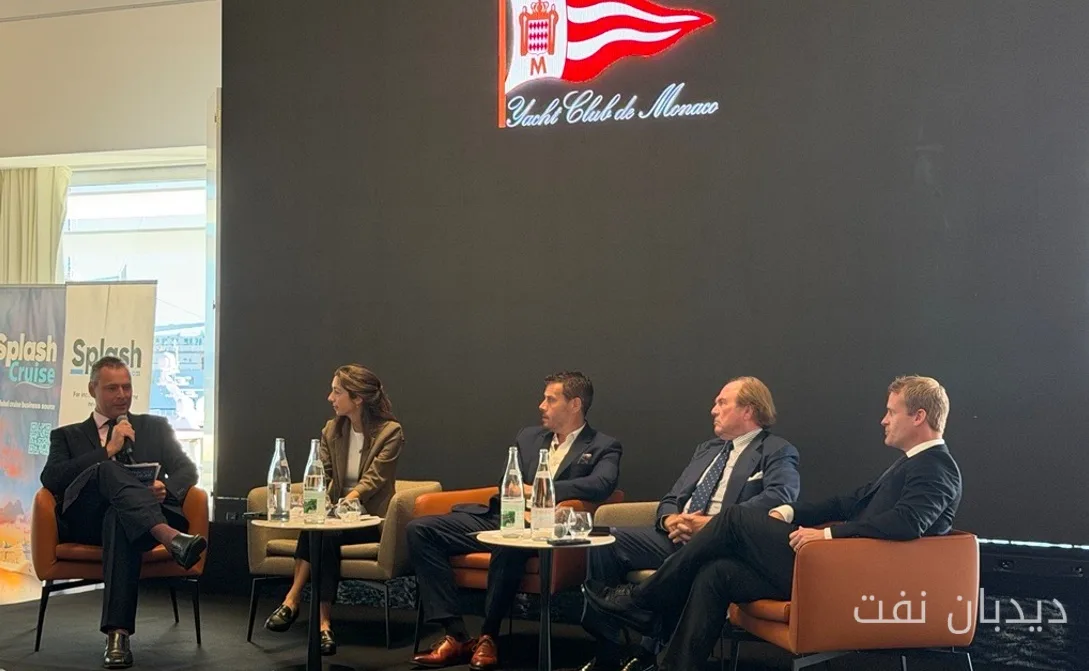
Tankers' owners discussed the state of the oil transportation market and its challenges at the Marine CEO Conference held at the Monaco Yacht Club. Despite rising asset prices and increasing geopolitical risks, this group remains optimistic about the future of the market.
Challenges and Opportunities in the Oil Market
Alexis Inglessis, manager of Alberta Shipmanagement, pointed to two major threats: escalating conflicts in the Middle East that could destroy oil infrastructure or create a financial shock similar to the 2008 crisis. However, he noted improvements in Middle Eastern oil flows, stronger demand from China, and declining inventories as positive signs for the near future.
Alan Houghton, CEO of Foreguard Shipping, emphasized the behavior of major oil companies and commodity traders, stating that any decision to recharter vessels could be a sign of anticipating weaker conditions. Lars-Christian Swensen, manager of Bruton and Himalaya Shipping, agreed with this view, adding that a decrease in demand for 12-month and three-year charters could be an important signal.
Impact of Tanker Fleet Age
With the increasing age of the tanker fleet, Alexis Inglessis stated that the average age of tankers has reached 13.5 years. He also pointed out that 19% of VLCCs are over 20 years old, and most of these vessels operate in the shadow fleet. He emphasized that age should not be the only criterion for accepting vessels, and maintenance and operational standards are also important.
Swensen also referred to the increasing accumulation of tankers by Middle Eastern oil producers, stating that removing vessels from the independent market could help support freight rates in the short term. Meanwhile, Houghton expressed concerns about chemical tankers, stating that the economics of industrial cargo movements and high construction costs of tankers may not lead to similar growth.
The Marine CEO Conference concluded by examining the existing challenges and opportunities, raising the question of which tanker the panelists would purchase with their own money. Houghton referred to an LR2 tanker aged 10 to 15 years, while Swensen mentioned a 15-year-old VLCC. Alexis Inglessis preferred to remain on the sidelines for now, which is a reason for tanker investors' hesitation: extraordinary immediate returns versus increasingly expensive long-term commitments.