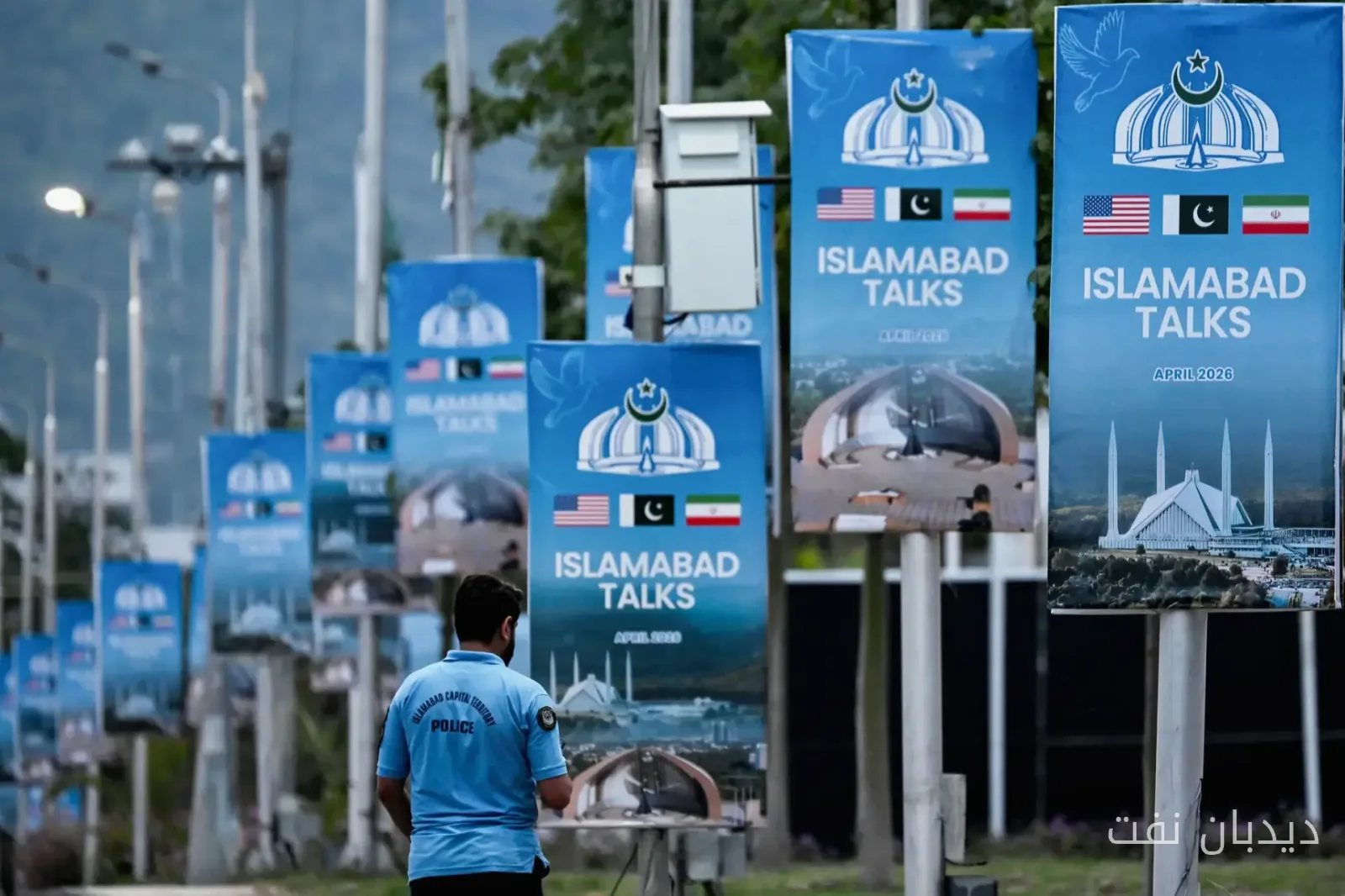
Susan Maloney, a researcher at the Brookings Institution, stated in her analysis that the U.S. and Israel's war against Iran has not only failed to change the regime but has also imposed heavy costs on ordinary Iranians and increased pressure on U.S. military resources and capabilities.
Results of the War and Its Impact on Regional Security
Maloney views the attack on Riyadh as a sign of the war's failure to overthrow the Iranian government and added that this conflict may have revitalized Tehran's network of proxy forces in the region. She warned that even groups like the Houthis could disrupt Gulf countries' efforts to attract tourism and investment in financial and technological sectors.
Read more: Richard Blumenthal's Criticism of the Trump-Putin Agreement on Russian Diesel
Maloney emphasized that the return of oil exports to levels close to pre-war is not indicative of the end of disruptions. According to her, liquefied natural gas (LNG) exports have not been revived to the same extent, and the transfer of oil shipments still requires costly ship-to-ship operations and a large deployment of the U.S. Navy.
Diplomatic Challenges and the Possibility of Renewed Conflicts
This researcher described the current situation as unstable and pointed to the broader costs of the war for U.S. military readiness and global credibility. Regarding the halt in nuclear negotiations, she mentioned that the demands of both sides are incompatible. Iran seeks meaningful and sustainable relief from sanctions and economic opportunities, while Washington has asked Tehran to abandon its indigenous nuclear industry.
Maloney further added that the war has failed to achieve the concessions that Washington sought, and instead, Iran has managed to keep the U.S. engaged and impose economic costs on it. She also predicted that in the absence of significant progress in diplomacy, conflicts may flare up again.
In conclusion, Maloney discussed the state of Iran's nuclear program, stating that it has reached a concerning stage. She emphasized that the war has not led to the collapse of the Iranian government, and the U.S. government also lacks a clear plan to end the conflicts.
This researcher summarized her view on the outlook of the war by saying: "We have reached a situation that is neither war nor peace; there is neither clarity nor certainty."
Read more: The Impact of Hurricane Isaias on Oil and Gas Production in the Gulf of Mexico · Iraq in Flames: Drone Attacks and the Shutdown of a Key Saudi Pipeline