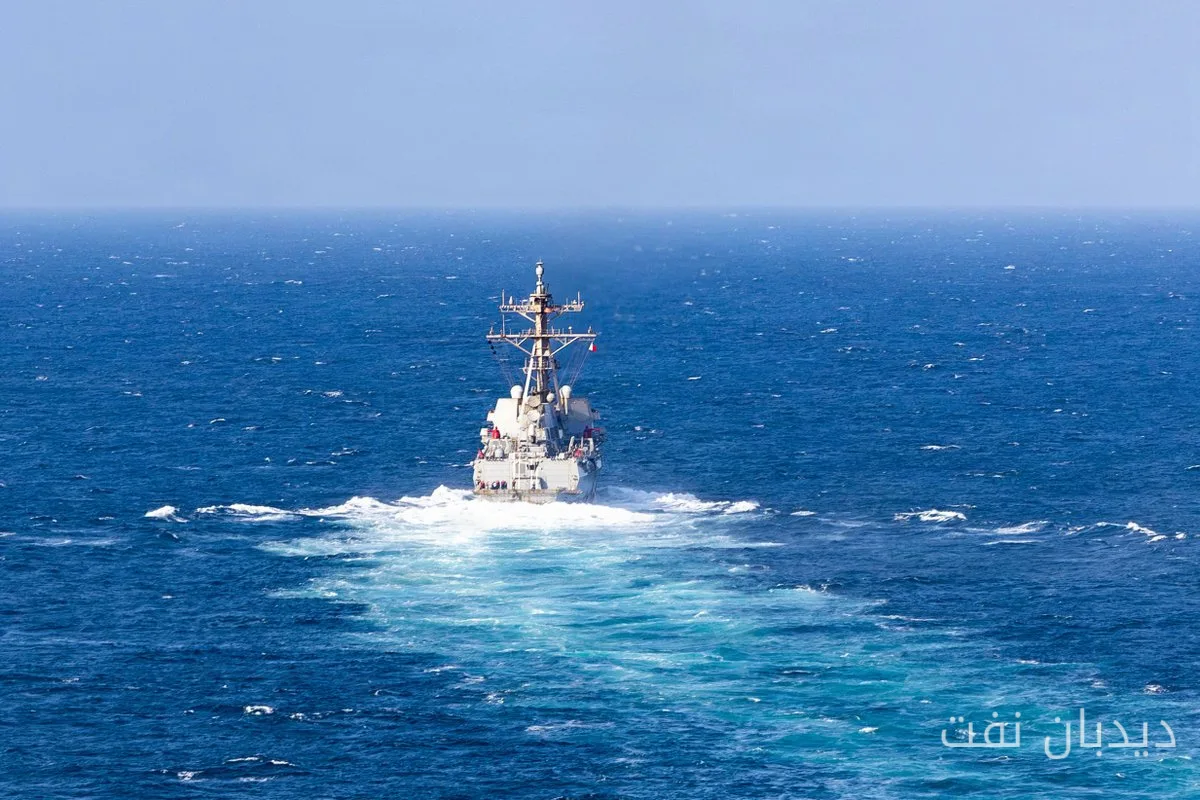
The United States Navy has stated in its latest announcement that the blockade of the Strait of Hormuz has been entirely successful, with 109 commercial ships linked to Iran being halted in their attempts to pass through this strait. In this regard, Admiral Brad Cooper, commander of the United States Central Command (CENTCOM), emphasized the effectiveness of this operation, deeming it 100 percent effective.
Impact on Iran's Oil Revenues
Iran, lacking pipeline infrastructure for oil exports, can only generate revenue through the sale of its stockpiles accumulated before the war began. According to analysts' estimates, Iran's oil revenues have significantly decreased this year, directly affecting the Iranian government's ability to cover security costs and other public services. These issues have increased public dissatisfaction in Iran.
Security Facilities and Naval Operations
Admiral Cooper also announced that the United States has supported over 2,000 commercial transits and the movement of one billion barrels of oil in the past two months. This reflects the close cooperation of the United States with Gulf Cooperation Council countries, including Oman. Additionally, the United States Navy has identified and neutralized any Iranian attempts to create new obstacles in this strait using appropriate surveillance resources.
While the volume of oil and LNG passing through the Strait of Hormuz reached its highest level in early September, this trend continues. The United States Navy, by deploying advanced warships and other naval equipment, aims to maintain security in this region. These actions have intensified, especially following Iran's recent unsuccessful ballistic missile attacks.
Given the current situation, it seems that the United States Navy is reducing its naval presence in dangerous areas while maintaining control over its operations. This strategy may allow the Navy to improve its operational readiness while emphasizing its recent successes.
While Admiral Cooper has clarified the status of naval operations, he has not elaborated on the air defense status of U.S. bases and Gulf Cooperation Council countries. This could be seen as a strategic vulnerability and may necessitate a reevaluation of how air power is utilized in this region.
Read more: Tehran Municipality announced the implementation of a dedicated route for tankers · Major General Izadi described the status of control over the Strait of Hormuz



