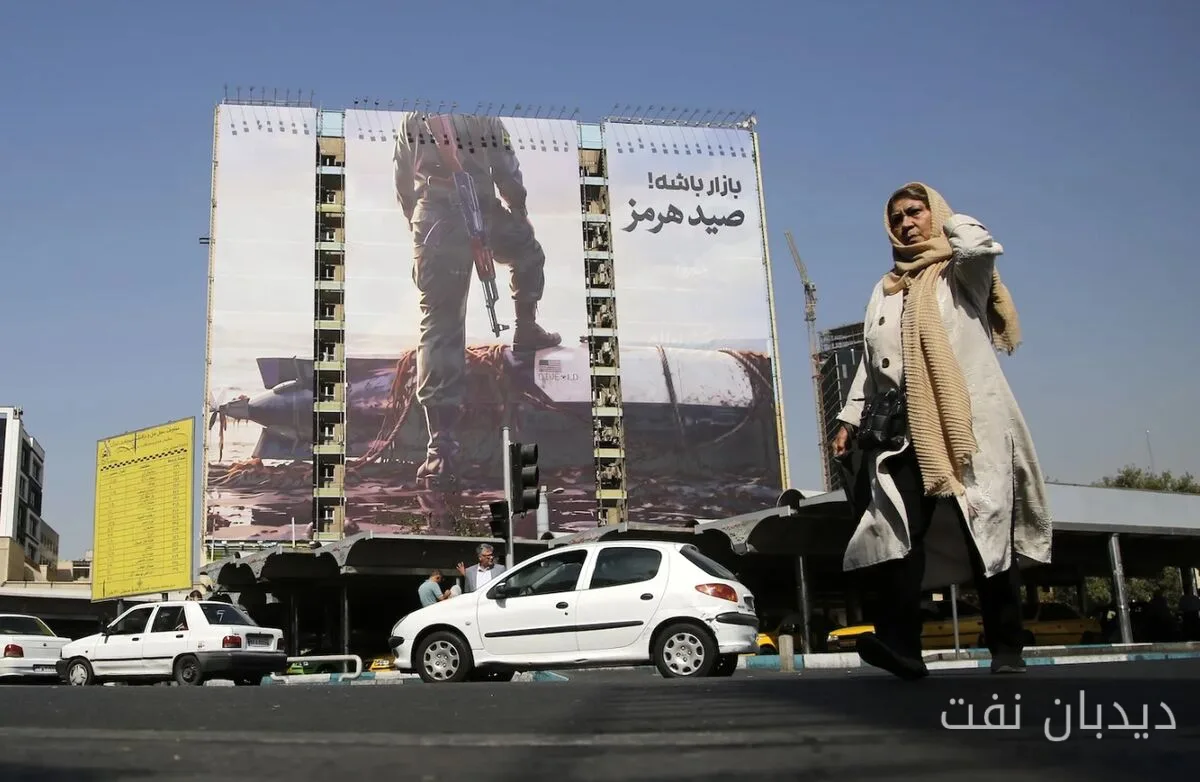
The Strait of Hormuz has become one of the most important focal points of confrontation between Washington and Tehran. This waterway was the route for about one-fifth of global oil and liquefied natural gas trade before the war began. While the U.S. seeks to limit Iran's oil exports, we are witnessing increased transportation and insurance costs as well as price volatility in the energy market.
Costs of the War and Its Consequences
According to published estimates, the military cost of the war had reached $43.6 billion by September 3, with a significant portion allocated to munitions. The Congressional Budget Office has also approximately estimated the cost of continuing the war, depending on the intensity of the conflict, to be about $3 billion per month. These costs have affected not only American military personnel but also the domestic economy of the United States and the Gulf Arab countries.
Read more: Mohsen Rezai: The U.S. response to Iran's proposal to reopen the Strait of Hormuz was insufficient
Economic Consequences for Iran and the Region
For the Islamic Republic of Iran, the Strait of Hormuz is not just a geographical passage; this waterway holds significant importance in terms of economic and security calculations of major powers. With rising logistical costs and disruptions in shipping, regional governments are facing serious economic challenges. This war, which began with hopes of changing the balance of power, has extended its costs beyond the battlefield and impacted the daily lives of people.
Past experiences in the Vietnam, Afghanistan, and Iraq wars have shown that the ability to destroy military targets does not necessarily lead to achieving the desired political order. Military force may strengthen a country's position in negotiations, but it cannot replace a political agreement. If Iranian leaders feel that they will face the threat of overthrow even after negotiations, they will have no incentive to accept Washington's demands.
Currently, Washington is engaged with two different objectives: changing Iran's behavior or changing its regime. This contradiction is clearly reflected in the statements of American officials. For example, "Scott Pelley," the U.S. Treasury Secretary, speaks of the "end of the regime" on one hand, while describing the goal as compelling Tehran to negotiate on the other. These contradictory messages have raised fundamental questions for Tehran.
Washington must now decide between defining specific conditions for ending the war and continuing a path that could lead to prolonged conflict and an escalation of the crisis in the region. As long as this contradiction remains unresolved, the claim of victory will be more an attempt to showcase achievements in a war with escalating costs than a reflection of a stabilized political outcome.
Read more: Unloading of oil cargo in the Strait of Hormuz with the passage of sanctioned tankers · President: The benefits of smart fuel management should be used to support the underprivileged



