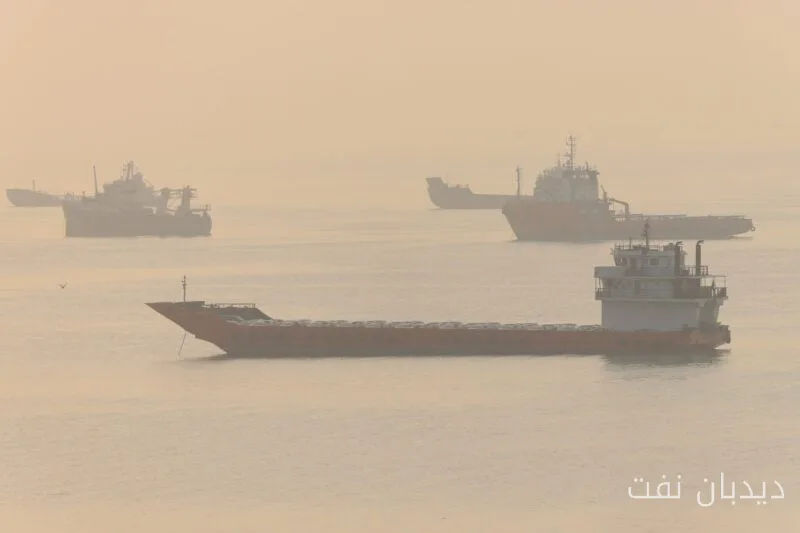
Mohsen Rezaei, Secretary of Iran's Supreme National Security Council, announced that the United States' response to Iran's seven conditions in the proposal to reopen the Strait of Hormuz was "insufficient." He stated that Iran has presented its proposal at the United Nations General Assembly and emphasized that if the conditions are met, the reopening of the Strait of Hormuz and the resumption of maritime passage will be possible within seven days.
Iran's Conditions for Reopening the Strait of Hormuz
Rezaei explained that Iran has provided the Americans with seven specific conditions and has clearly stated that the Strait of Hormuz will not be opened to them until these conditions are met, and no negotiations will take place. He stated that Washington needs to clarify the remaining issues that are unclear to Tehran.
Read more: Increase in sanctions on oil shipments in the Black Sea and the Middle East
In response to the questions raised, Rezaei said: "We are no longer in the process of responding to the Americans." He also pointed out that in the U.S. response, some of Iran's conditions were accepted, but others remain unclear.
History and Importance of the Strait of Hormuz
The Strait of Hormuz is recognized as one of the vital maritime routes for global energy trade, and before the war began in late February, one-fifth of the world's oil and liquefied natural gas passed through this waterway. In late September, Iran announced that it had received a response from the U.S. to its latest proposal for reviving the lost ceasefire in the Persian Gulf, while just days earlier, U.S. President Donald Trump had stated that he rejected the proposal.
Discussions between Washington and Tehran, mediated by Qatar and other countries, continue in an effort to end the conflicts and reopen the Strait of Hormuz. Given the recent tensions, this issue has become one of the main topics of international discussions.
Read more: The U.S. claim about the openness of the Strait of Hormuz faces serious challenges · Meeting to review the legal aspects of fuel smuggling in Iran with Dr. Amir Mohammad Parhamfar



