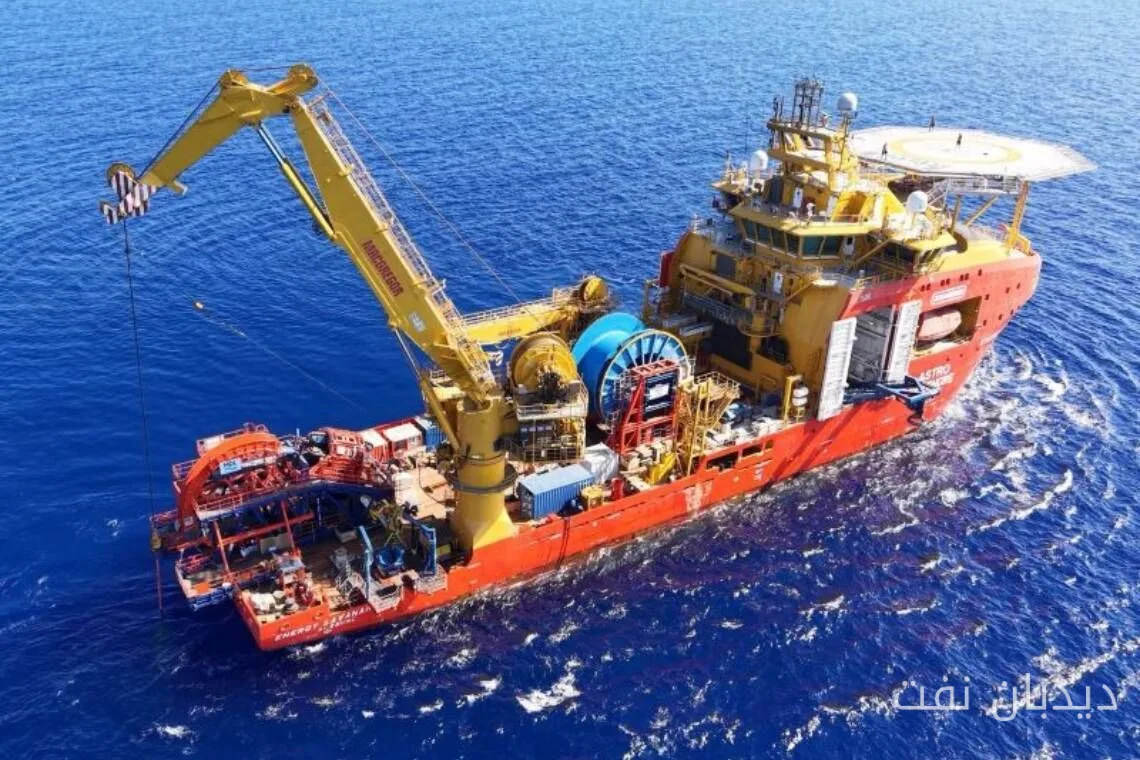
Aramco has started crude oil production from the Zuluf oil field development project, which is one of the largest offshore oil fields of the company. This project is designed to process a maximum of 600,000 barrels of oil per day and is gradually approaching full operational status.
Zuluf Project Details
The Zuluf oil field is located in the Arabian Gulf, and this development is part of Aramco's plan to maintain a sustainable maximum production capacity of 12 million barrels per day for the country. The company confirmed the start of production in its third-quarter financial results. However, Aramco has not disclosed the initial production rate for Zuluf and has not specified the timeline for reaching the planned full processing capacity.
Read more: China's Reduced Access to Iranian Oil Increases Petrochemical Costs
New Infrastructure and Added Capacities
This project includes new offshore production infrastructure and related onshore processing facilities. A significant portion of the capacity for water treatment and injection has also been increased to support reservoir pressure. In July, the Webuild subsidiary, Fisia Italimpianti, announced the start of operations for the first phase of the new water treatment facilities serving Zuluf. This facility is designed to treat up to 185,000 cubic meters of water daily for injection into offshore wells.
Additionally, another development awarded to a consortium including Almar Water Solutions and Al Jomaih Energy & Water is set to add 308,000 cubic meters per day of treatment capacity under a project valued at approximately $940 million.
The start of production is announced as Aramco continues to implement large upstream developments, despite disruptions affecting energy infrastructure in the Middle East.
Read more: Australia's Maritime Safety Agency Bans Non-Standard Tanker for 90 Days · 60% of Gulf of Mexico Oil and Gas Production Shut Due to Hurricane Isaias