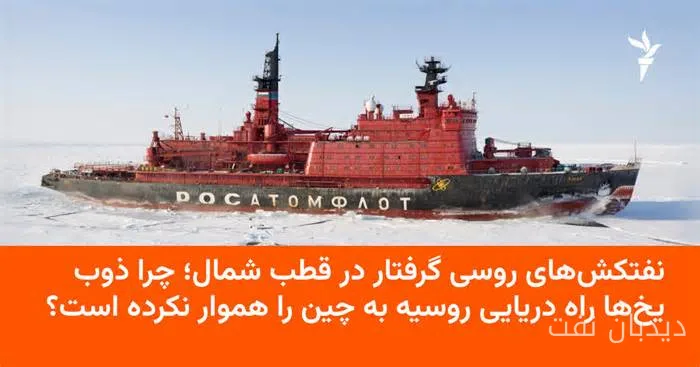
Shipments of sanctioned oil tankers have been identified on new routes, attracting significant attention especially with the onset of winter. These identifications reflect changes in global oil trade patterns and their implications for international markets.
Details of Oil Tanker Shipments
Research shows that shipments of oil tankers under international sanctions are increasingly being moved along new routes. These changes will impact not only oil trade but also prices and access to energy resources. According to available data, these shipments are primarily sent to Asian countries, particularly to more remote areas that are less affected by sanctions politically and economically.
Read more: Iran Faces Shortage of Oil Export Options
Analysis of New Routes
The new routes these shipments are directed to include points in East Asia and some African countries. These changes may have arisen from efforts to circumvent sanctions and seek new markets for oil sales. Specifically, countries like China and India have been identified as primary destinations for these shipments. This trend reflects the market's response to sanctions and efforts to maintain oil revenue streams.
Additionally, evidence suggests that tankers are changing course towards lesser-known ports that may not be under the radar of regulatory bodies. This could significantly impact the level of transparency and oversight in the oil market.
Consequences and Future Outlook
These changes in oil transportation routes, in addition to affecting prices, could lay the groundwork for increased geopolitical tensions in the future. Particularly as governments and companies seek ways to circumvent sanctions. Meanwhile, sanctioned countries are also looking to maintain and increase their oil exports, which could directly impact global energy markets.
On the other hand, global markets must be prepared for sudden changes and unexpected behaviors in oil prices. This situation could also lead to increased price volatility in global markets, creating new challenges for governments and energy companies.
Read more: Sanction on Iranian Oil Tanker Shipment in 2023 · Iranian Oil Tanker Shipment Identified on Sanction Routes