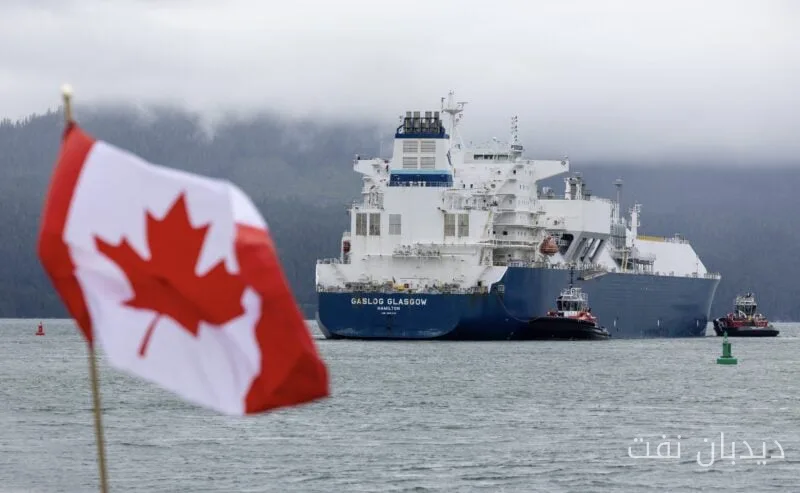
Shell (Shell Plc) on September 29, 2026, decided to double the liquefied natural gas (LNG) export capacity at the LNG Canada project located in Kitimat, British Columbia. This decision comes in response to increasing demands and recent crises in the global energy market.
Project Details and Investment
According to Shell, this project will achieve an annual capacity of 28 million tons of liquefied natural gas. The anticipated second phase of this project is progressing rapidly due to energy crises caused by the Iran war and the approaching closure of the Strait of Hormuz. This project requires an investment of approximately $23 billion and is expected to begin commercial operations in the early 2030s.
Read more: The exit of oil tankers from Iran to global markets has increased
Background and Global Impacts
Recent bottlenecks in the global energy market, especially due to the Iran war, have led to rising gas prices and reduced LNG flow from the Persian Gulf. Shell, as one of the leading companies in this industry, aims to strengthen its position in the global market and meet the needs of Asian customers with this decision. The company currently holds 40% of the shares in the LNG Canada project, and its geographical location on the west coast of Canada is a significant advantage for supplying gas to the world's largest LNG buyers.
In this context, Canadian Prime Minister Mark Carney has placed the LNG expansion project on the list of "nationalization" developments. This move allows Shell and other energy companies to be recognized as key suppliers in the global market.
Additionally, other companies like XRG from Abu Dhabi are considering purchasing shares in the first phase of this project and are negotiating with existing supporters like PetroChina. These negotiations reflect the growing importance of this project in the global LNG market.
Read more: Iran ranks among the top 10 oil exporters in the world in 2025 · Bahrami: Solar energy is a reliable alternative to fossil fuels



