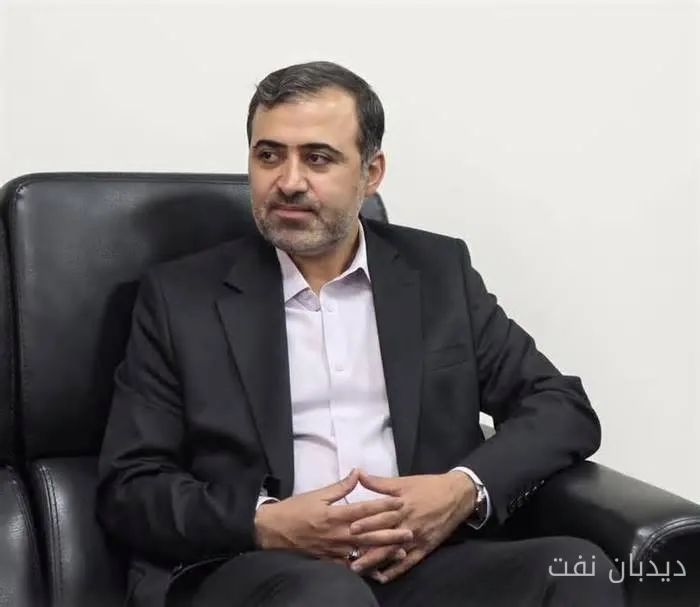
Seyed Ismail Hosseini, representative of Shiraz and Zarqan, pointed out the current energy situation in the country, stating that the energy sector, including oil, gas, and electricity, is considered one of the country's strengths. However, in recent years, due to various reasons, this sector has become one of the major challenges facing the country.
Causes of Energy Imbalance
Hosseini identified factors such as mismanagement, weak oversight, and certain actions taken in different sectors of the energy field as the main reasons for this challenge. He noted that the country's electricity production capacity is close to 100,000 megawatts, but necessary optimization has not been carried out in consumption, and losses in the transmission and distribution sectors have not been sufficiently reduced.
Read more: Research shows that 29% of ships cause 70% of maritime accidents
The representative of Shiraz continued: In the cooler seasons of the year, the electricity challenge decreases, but in the summer, due to high consumption of cooling equipment, the amount of electricity consumption increases significantly. He emphasized that during peak heat, cooling equipment consumes about 35,000 megawatts of electricity, which leads to an imbalance in electricity supply.
Energy Supply Situation in Winter
Hosseini spoke about the electricity situation in winter, stating that a large portion of the country's electricity production capacity is related to thermal power plants, and the share of nuclear and renewable power plants in production capacity is lower. The sharp increase in gas consumption in the residential and commercial sectors during winter reduces the ability to deliver gas to thermal power plants. He added that power plants compensate for this reduction by using liquid fuels such as diesel and fuel oil, which brings its own problems.
The representative of Shiraz emphasized the wartime conditions of the country, stating that even in normal conditions, we faced energy imbalance. He added that the infrastructure for producing gas, oil, and diesel has been damaged due to the war, and the electricity transmission and distribution networks have also been affected. Nevertheless, Hosseini appreciated the round-the-clock efforts of the forces in the Ministry of Energy and the Ministry of Oil, stating that the people did not experience noticeable blackouts due to the war.
National Consensus to Solve Challenges
Hosseini stressed that overcoming the challenge of energy imbalance in wartime requires consensus among various governmental bodies and cooperation from the people. He said: The parliament, government, and various institutions must work together to guide the country out of this situation. Hosseini also referred to the people's cooperation in wartime and called for optimal energy consumption in the upcoming winter.
Hosseini expressed that there should be a strategy to appropriately distribute resources among different sectors, including power plants, residential, and commercial sectors during the cold season. He added that the Energy Commission and responsible entities in the energy sector are working to distribute the current production capacity of the country appropriately among different consumption sectors.
Read more: Holding the Splash Singapore Conference on September 24 · NGL3100 feed gas sale contract signed by the National Iranian Oil Company