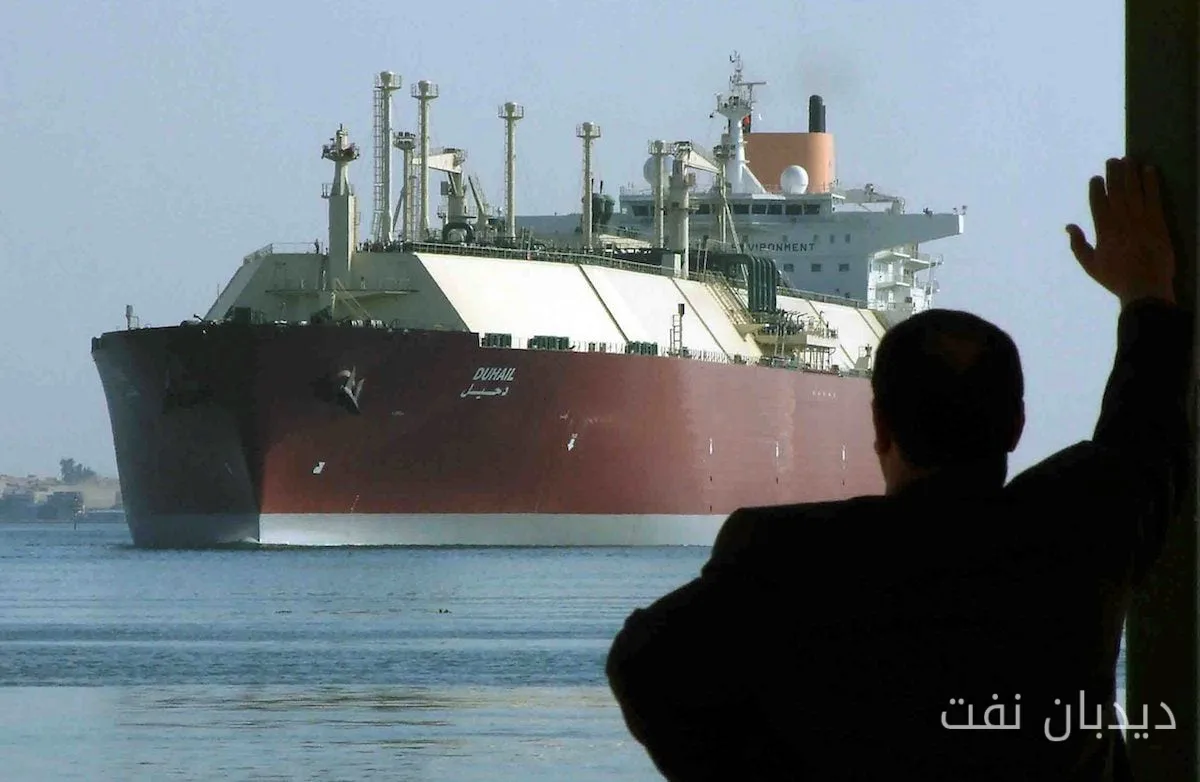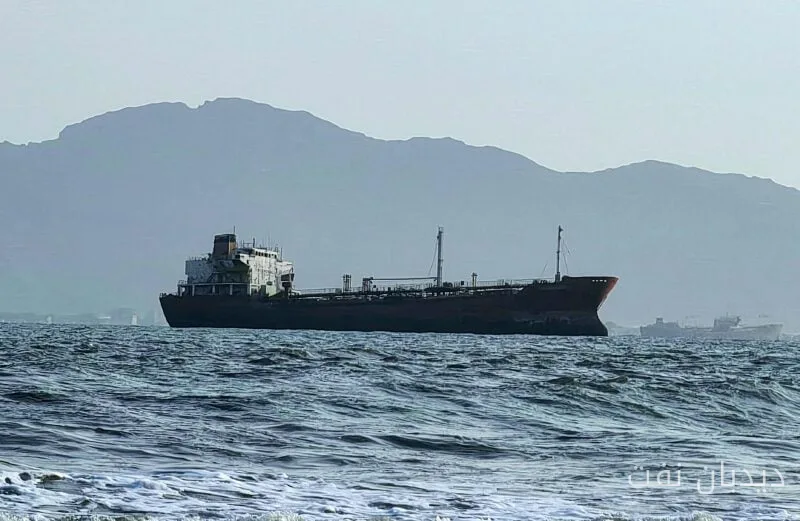
Crude oil exports from the Persian Gulf have reached their highest level since the start of the war in Iran. According to published statistics, crude oil flow through the Strait of Hormuz reached 14.2 million barrels per day on September 26, which constitutes nearly 80% of pre-war levels.
Impact of Sanctions and Wars on the Oil Market
While crude oil exports from the Persian Gulf have increased, oil prices remain at a high level. This situation indicates serious logistical problems in the energy supply chain. In particular, transportation and insurance costs have risen sharply, affecting the final price of oil. In fact, prices are significantly influenced by political risks and military threats arising from ongoing conflicts in the Middle East.
Read more: Ganor Group Renamed to Centralion and Transferred to Singapore
Following missile and drone attacks on Saudi tankers by Houthi forces, Gulf producers have turned to alternative routes for exports. For example, Saudi Arabia, which was previously the largest oil exporter in the world, redirected its exports through the East-West pipeline to the port of Yanbu. However, this pipeline was also attacked in early September, forcing the Saudis to return to the Strait of Hormuz.
Logistical Challenges and Pricing in the Oil Market
Despite the increase in Saudi exports through the Strait of Hormuz to an average of 3 million barrels per day in September, this volume still constitutes only about half of pre-war levels. However, exports are expected to soon approach pre-war levels as operations on the East-West pipeline return to normal.
At the same time, the cost of transporting oil from the Middle East to Asia has reached its highest level in history, exceeding $1.2 million per day for each Very Large Crude Carrier (VLCC). This is while at the beginning of the year, this cost was only about $30,000 per day. This increase in costs is due to the need to transport multiple tankers to move oil from the Strait of Hormuz to the Gulf of Oman and then transfer it to smaller ships for delivery to buyers in Asia.
This situation, along with reduced oil refining capacity in the Middle East and Russia, especially in diesel production, has created further problems for the market. Diesel prices have reached new highs and have become a serious political concern for American officials, especially on the eve of the midterm elections.
Read more: Neptune Deep Project OMV Petrom and Romgaz Approaching Gas Production in the First Half of 2027 · Exports from Markazi Province Exceeded $925 Million