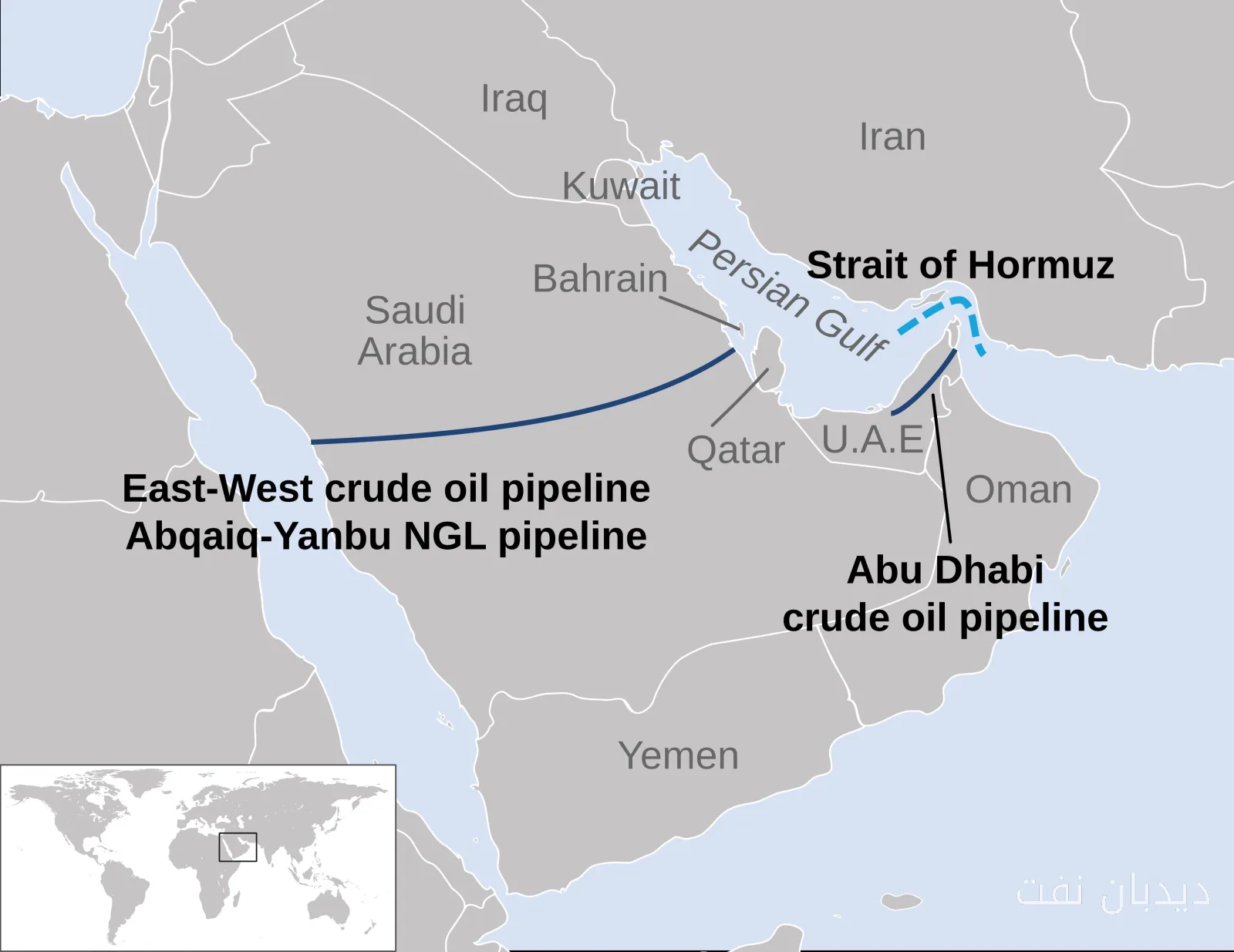
On September 22, 2026, Saudi Aramco announced that it has successfully restarted part of the strategic East-West pipeline. This pipeline, which was damaged in a drone attack on September 11, is now operating at limited capacity.
Details of the Restart
According to industry sources, the temporary goal is to increase the pipeline's throughput to about four million barrels per day. This amount is sufficient to meet the needs of Saudi refineries along the pipeline and also provide some additional supply. Reports indicate that a crude oil loading is also planned at the Yanbu export hub.
Read more: JD Vance: A large volume of oil and gas continues to pass through the Strait of Hormuz
Economic Implications
The revival of activity in this pipeline has had significant impacts on the global oil market. Brent crude oil prices, which reached $108 per barrel last week, have decreased to $98. This price change is attributed to the increased loading volumes at the Ras Tanura port, as well as improvements in the situation in the Strait of Hormuz and the potential for new diplomatic negotiations to resolve tensions in Iran.
To return to the pipeline's nominal capacity of seven million barrels per day, it may take up to six weeks, as three damaged pumping stations need to be repaired. However, the remaining eight stations will operate sufficiently to transfer crude oil at a limited rate through temporarily reconnected sections.
Future Outlook
It appears that Saudi Aramco is attempting to create a bypass in the East-West pipeline to circumvent the damaged pumping station. Received images show workers installing and welding two new pipelines. This action could facilitate and expedite the process of fully restoring the pipeline and help meet Saudi Arabia's domestic and export needs.
Read more: Emirati tanker seized in the Strait of Hormuz · Morgan Stanley forecasts VLCC tanker market sustainability



