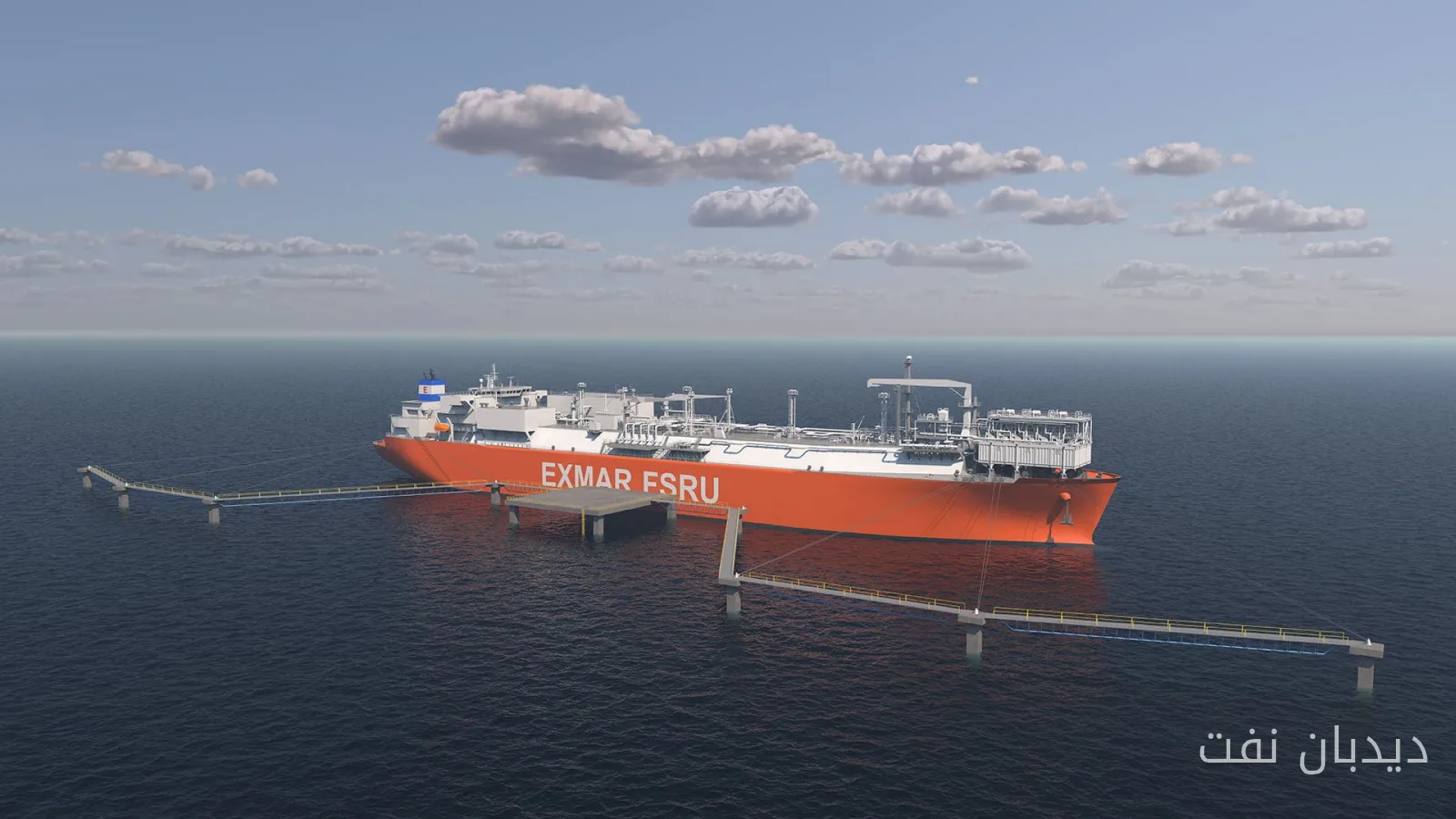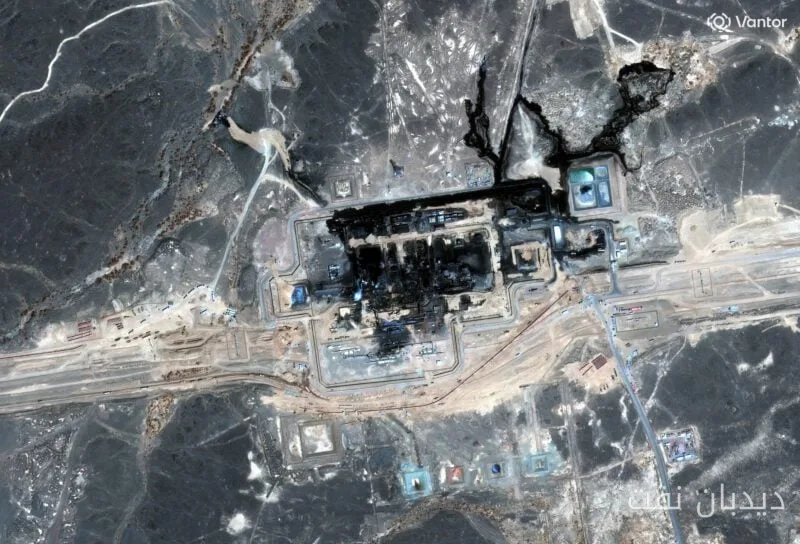
Saudi Arabia is planning to restore oil flow in its East-West pipeline, which was severely damaged due to recent attacks. Following the attack on this pipeline on September 11, 2026, the country is looking to reopen it to bring about half of its capacity back to normal in the coming days.
Decline in Oil Prices Following Positive News
Brent crude oil is currently trading near $102 per barrel, reflecting a 2.7 percent decrease on Wednesday. Meanwhile, West Texas Intermediate oil prices have also fallen below $100. The increase in Saudi oil supply to Asian refineries and its accumulation in locations near the Strait of Hormuz indicates the country's efforts to prevent further price declines.
Read more: Discovery of Sanctioned Oil Shipment in the Waters of Sistan and Baluchestan
However, threats still persist. The war between the United States and Iran has reduced energy flows in the Middle East, and ongoing conflicts in Ukraine are also impacting the situation. Additionally, the advance of Houthi militants from Yemen towards the Bab al-Mandab Strait and increased attacks on Saudi oil assets have raised concerns about the security of the country's oil exports.
Consequences and Future Outlook
Market analysts believe that the partial reopening of the East-West pipeline and the flow of Saudi oil through ship-to-ship transfers in the Strait of Hormuz will negatively impact oil prices in the short term. As Arne Lohmann Rasmussen, a senior analyst at Global Risk Management, stated, "The partial reopening of this pipeline and the transfer of Saudi oil through the Strait of Hormuz is negative for oil prices in the short term, but the market is in a position where it cannot return to calm as long as the Houthi conflict continues."
This year, oil prices have increased by more than 70 percent, leading to inflationary pressures and resulting in higher interest rates by the Federal Reserve. Additionally, some inflation-related trades reversed on Thursday, while stock prices rose and treasury prices fell.
Meanwhile, the East-West pipeline, which transports oil from Saudi Arabia to the Red Sea coast, was damaged in last week's attacks, leading to price increases. This pipeline is a vital solution for bypassing attacks through the Strait of Hormuz, which is under the control of the United States and Iran.
Estimates of the volume of oil passing through the Strait of Hormuz vary. U.S. Energy Secretary Chris Wright has stated that 18 million barrels of oil and petroleum products have passed through this strait in recent days.
Ultimately, U.S. President Donald Trump will meet with Gulf leaders in New York on Tuesday to discuss the next steps in these conflicts.
Read more: Large Fire at the Pardi Oil Refinery Near Erbil · Seizure of 12 Vehicles for Fueling Violations in Minab