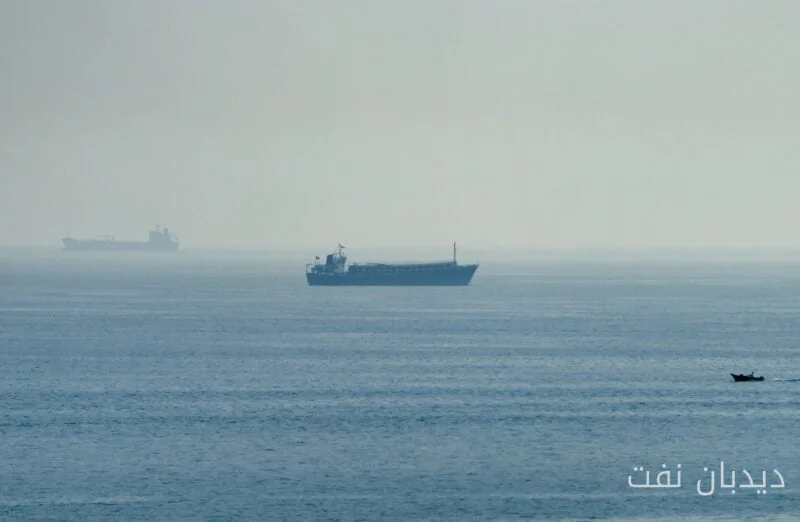
Saudi Arabia is negotiating with its customers to provide oil loadings next year outside the Strait of Hormuz. The goal of these negotiations is to create long-term contracts for oil shipments that specifically respond to the wartime conditions in the region. This shift in approach allows Saudi Arabia to gain a larger share of the global oil market.
The impact of war on oil transportation
The war in the Gulf region, which has now reached its eighth month, has had significant impacts on traditional oil transportation routes. The Strait of Hormuz has been severely affected by these conditions, and major Gulf exporters have had to adapt to this situation. The new loading system, which involves transferring shipments to vessels outside the waterway, has emerged as a necessary system to supply markets and satisfy customers.
Read more: Aramco seeks new solutions for excess gas exports from Saudi Arabia
Details of negotiations and potential changes
It is reported that the negotiations regarding this loading system should conclude by the end of this year. If approved, this change will significantly affect how Saudi crude oil is delivered to customers. According to received information, Saudi Arabia is also exploring new options including selecting pricing indices and even delivering shipments to customers in Asia. These changes could enable Saudi Arabia to benefit from the rising transportation costs of oil from the Strait of Hormuz.
Before the war began, Saudi Arabia's main customers in Asia arranged for ships to collect oil from the Ras Tanura export terminal deep in the Gulf. However, since the onset of the war, some shipowners have been reluctant to enter the Strait of Hormuz, leading buyers to face challenges in securing oil. This situation has led to the emergence of the Strait of Hormuz loading system, which is utilized by the United Arab Emirates, Saudi Arabia, Kuwait, and Iraq.
Saudi Arabia is currently using this loading system to supply its three main export types, including Arab Light, Medium, and Heavy. Additionally, some buyers have recently been allowed to conduct transfers at the shores of India, which provides a safer option for customers who cannot travel to the Gulf of Oman.
Saudi Arabia is also exploring ways to arrange transportation for direct delivery of oil to customers. These options not only facilitate the flow of exports but also allow Saudi Arabia to capture part of the benefits arising from the increased costs of chartering ships to pass through the Strait of Hormuz.
Read more: Isfahan refinery experiences savings of 40 billion tomans by purchasing electricity from the energy exchange · Analysis of investment opportunities in Iran's upstream oil and gas sector



