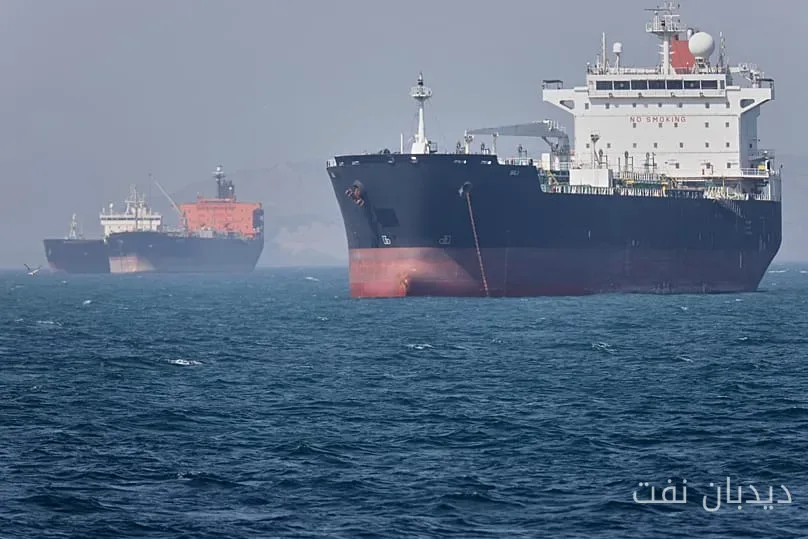
The U.S. Department of the Treasury has targeted 17 tankers and a network of companies related to the transportation of oil and petrochemical products from Iran in its new sanctions package. This action, announced as part of an "economic ostracism" operation, signifies Washington's entry into a new phase of economic confrontation with Tehran.
Details of the Sanctions and Their Impact on Iranian Oil Exports
The new sanctions specifically target a significant portion of Iran's "shadow fleet" and, along with statements from U.S. Treasury Secretary Scott Basset, convey a message of complete blockage of financial arteries. These sanctions encompass not only the tankers but also individuals, owners, shipping managers, and international intermediaries. In other words, this action reflects a shift in the U.S. approach from merely naming vessels to restricting the entire chain of commercial and legal relationships.
Read more: Iranian oil tanker cargo identified on the way to Qeshm Island
An analysis of the identification details of some sanctioned tankers, such as "Paritosh" flying the Comoros flag and "Bito" flying the Panama flag, shows that Iran's oil trade significantly relies on diverse ownership and registration mechanisms in third countries. Furthermore, the simultaneous removal of the two tankers "Hakuna Matata" and "Pinocchio" from the sanctions list due to a change in ownership indicates Washington's fluid approach in managing the sanctions list.
Economic Consequences and Challenges Facing Iran
These sanctions not only directly affect the volume of exports but also increase transaction costs and trade risks. For the Iranian economy, the main fallout from these sanctions is not just the volume of exported barrels, but the rate of "transaction costs." Circumventing Washington's sanctions networks and utilizing alternative routes will inevitably require offering greater price discounts and paying heavier fees to financial intermediaries. While this process may sustain oil sales, it reduces net revenue and maintains pressure on the country's foreign exchange resources.
Energy risk and trade analysts, such as managers at Obsidian Risk Consulting, believe that the impact of the new sanctions may be more psychological than having tangible effects on cargo loading in various parts of the world, especially East Asia.
The official reaction of senior oil and foreign officials in Tehran to these sanctions is still unclear, but it seems that Iran's overarching policy is based on maintaining exchanges through informal mechanisms and reciprocal measures. Ultimately, the real test and measure of the effectiveness of these sanctions will be determined in the coming months by examining oil loading statistics, the level of discounts requested by buyers, and the ability to rebuild the transit network.
Read more: SPM Shipping adds its third tanker to the fleet · Rescue operations for the sanctioned tanker Caroline Bezanki continue off the coast of Yemen



