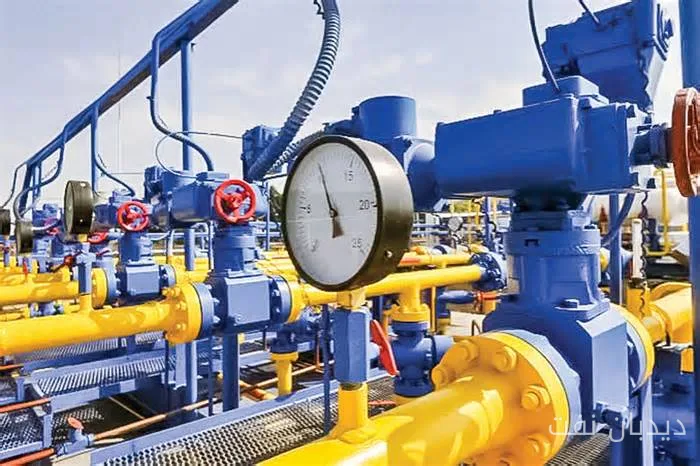
Saeed Aghli, advisor to the Deputy Minister of Planning at the Ministry of Oil and former dispatch manager of the National Gas Company, stated at the specialized meeting "Energy and the Future of Industrial Development in Iran" that the continuation of the current consumption and allocation of energy not only exacerbates the imbalance of gas and electricity but can also seriously limit the activities of upstream industries and energy-intensive sectors.
The Necessity of Gas Consumption Management
Aghli pointed out the decisive role of fossil fuels in supplying the country's energy, stating: According to the provided statistics, approximately 100 billion cubic meters of gas are consumed annually to supply the country's electricity, and a significant portion of the required electricity is dependent on fossil fuels. This dependency indicates that managing gas consumption is one of the main axes of policymaking in the energy sector.
Read more: Yangzijiang Maritime signed a contract to build six new cargo ships
He also referred to energy consumption in the agricultural sector, stating: This sector consumes about 6 billion cubic meters of gas during the cold seasons and its share of the country's electricity consumption is reported to be about 14 percent. Approximately 95 percent of the electricity consumed in this sector is used for pumping and transferring water; a matter that highlights the importance of upgrading equipment and enhancing productivity in irrigation and water transfer systems.
Solutions for Increasing Productivity
Aghli emphasized the necessity of economically examining energy consumption, adding: In some sectors, the amount of energy consumed does not have a sufficient correlation with the added value generated from the activity. Therefore, energy allocation policies should be adjusted in such a way that, while meeting essential production needs, reforming consumption patterns and increasing productivity are also prioritized.
He also mentioned the high volume of investment formed in the country's energy chain, stating: The value of this chain is estimated to be around 200 billion dollars, while the country's gross domestic product is about 450 billion dollars. This ratio indicates the necessity of a fundamental revision in the way energy resources are consumed and allocated.
In conclusion, Aghli emphasized, referring to economic limitations, the provision of foreign currency, and the country's rial resources: Energy is one of the most important tools for policymaking to guide investments. Therefore, redefining energy policies and prioritizing productivity is an undeniable necessity; because if the current trend continues, upstream and energy-intensive industries in the country may face extensive limitations and even halt operations.
Read more: Shahbaz Hasanpour: Securing energy for industries should be prioritized · Rajabi Mashhadi: 14 percent increase in electricity supply for energy-intensive industries