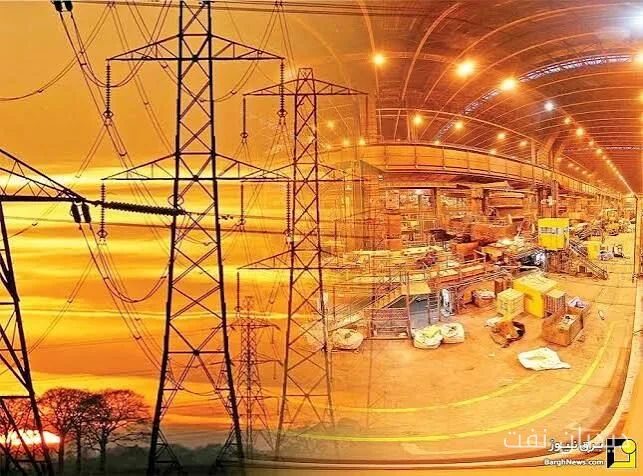
Shahbaz Hasanpour, representative of Sirjan and Bardasir, stressed the need for sustainable energy supply for industries and said: "The continuity of operations and maintaining production capacity of industries must be prioritized in the energy imbalance management programs." He added: "The production sector requires sustainable access to electricity and gas to prevent harm to employment and inflationary pressure on the people."
Operational Plans for Energy Supply
Hasanpour referred to operational solutions for addressing energy imbalance and said: "These solutions include close cooperation between the ministries of Industry, Mining and Trade, Oil, and Energy, prioritizing energy supply for high-efficiency units, and accelerating the implementation of self-sufficient energy projects." He also emphasized the importance of reforming the energy allocation model based on productivity and said: "Energy imbalance is not an issue that can be solved merely by outages and temporary restrictions. If production is harmed, both employment will be lost and inflationary pressure will be transferred to the people."
Read more: Drafting a Comprehensive National Plan to Overcome Energy Imbalance in Winter
Kerman Province's Capacity for Solar Energy
Regarding the development of renewable energies, especially solar energy in provinces with high natural capacity, he pointed to Kerman province and said: "Kerman is one of the best locations in the country for solar energy development. If private sector investment is accompanied by the removal of administrative barriers, it can both assist the electricity grid and create jobs." Hasanpour emphasized that the parliament is seriously pursuing this issue.
Hasanpour further referred to the automotive industry and the demands of over 100 trillion tomans from parts manufacturers, stating: "The parts manufacturing industry is the main arm of vehicle production, and any disruption in liquidity in this sector directly affects the volume and quality of production."
Allocation of Resources to the Parts Manufacturing Industry
He emphasized that injecting resources into the parts manufacturing industry will only be effective if it is closely monitored and strictly allocated to pay the claims of parts manufacturers and return liquidity to the production cycle. The allocation of 100 trillion tomans to this sector should be done with precise prioritization to settle overdue debts to parts manufacturers.
Hasanpour also mentioned the issue of car imports as one of the tools for market regulation and increasing competition, stating: "Car imports should be conducted continuously, transparently, and in accordance with market needs."
Regarding the reduction of certain laboratory controls in the import of essential goods and reliance on origin inspection certificates, he said: "Shortening the import process and reducing bureaucracy is inherently positive, but it should not come at the expense of reducing confidence in the safety and quality of products." He emphasized the importance of oversight by responsible agencies over the control process and said: "The ultimate responsibility for the safety of food and essential goods lies with the supervisory agencies, and no facilitation should diminish this responsibility."
Read more: Mohammad Taghi Fayyazi: Unprecedented Combination of Inflation and Negative Growth in Iran's Economy · Mohammad Reza Aref: Energy Supply for Industries Must Be Done Without Cutting Electricity and Gas