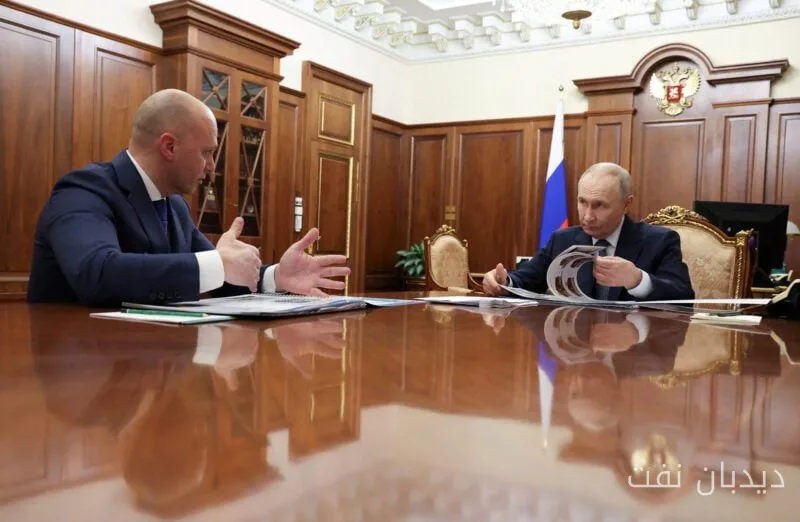
Russia has warned NATO that if the alliance attempts to sever connections with the Kaliningrad region, it will be prepared to use nuclear weapons. This warning was sent in an official document to NATO and is particularly related to the increasing tensions in the Baltic Sea.
Details of Russia's Threat
In this document, Moscow accuses the NATO alliance of taking a "dangerous and reckless path" and states that this situation poses "high risks for the outbreak of direct armed conflict." Russia has specified that if NATO countries attempt to isolate Kaliningrad, it will resort to using "all available weapons and capabilities," including nuclear weapons.
Read more: Ukraine's Attack on Moscow Oil Refinery Using 450 Drones
Kaliningrad, which is located as a separate territory of Russia between Poland and Lithuania, is heavily militarized, and Russia sees it as an increasing threat from NATO. The document also mentions the possibility of "Russian strikes on decision-making centers in NATO member countries from the very beginning."
NATO and Analysts' Reactions
NATO Secretary General Mark Rutte, in response to this threat, stated that NATO is a "defensive alliance" and that nuclear threats from Russia are "completely unnecessary and counterproductive." NATO has also emphasized that none of its activities or military exercises pose a threat to the territory of the Russian Federation.
Rutte also stated at a defense conference in Brussels, in response to the question of whether the risk of using nuclear weapons against the Baltic states is real, said: "No, it is not. Putin knows he can never win against NATO, so I do not take this threat seriously."
Nikolai Sokov, a nuclear analyst, stated that it is becoming more difficult for Western countries to continue supporting Ukraine without falling into direct conflict with Moscow. He believes that Russia's warning may indicate an increase in the influence of extremists in discussions regarding responses to Western actions, which include supplying weapons to Kyiv, new sanctions against Moscow, and other military movements.
Kremlin spokesman Dmitry Peskov described these threats as diplomatic reminders to "hotheads in Europe" and emphasized that relations between Russia and the West have deteriorated significantly, especially after Russia's invasion of Ukraine in 2022.
Ultimately, a NATO diplomat stated that Russia's letter is merely another attempt to scare Europeans, and NATO's response reflects determination and responsibility, emphasizing that NATO will not withdraw its support for Ukraine.
Read more: Drone Attacks on Kapotnia Refinery and Ukrainian Targets Last Night · Increase in Russian Military Threats Following Ukraine Crisis and Energy Sanctions