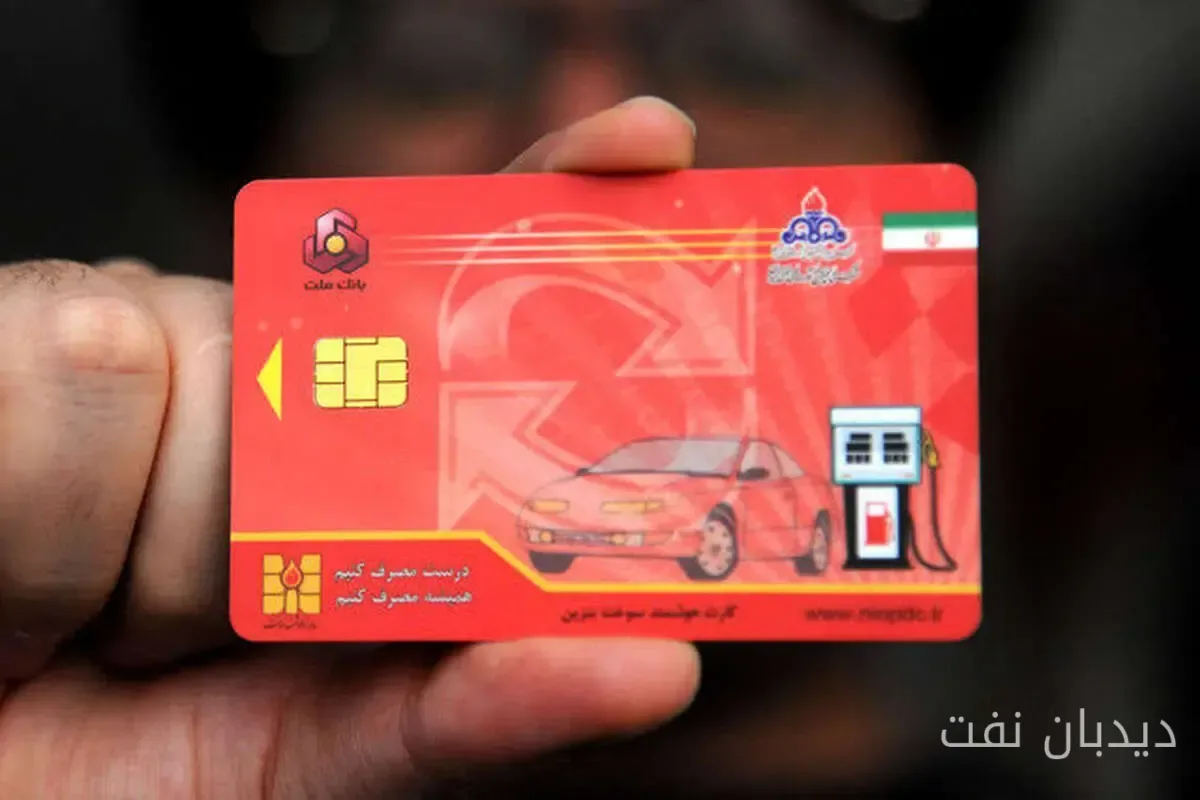
Reza Navaz, the spokesperson for the country's fuel stations, emphasized the pursuit of issues faced by station owners and the public, announcing the determination of this sector to resolve matters related to the refueling process and existing disruptions. He stated that fuel stations are currently providing services to the public, and any disruption in the refueling process can create further problems for them.
Pursuing Public Issues and Criticisms
Navaz continued by stating: "On one hand, we are addressing the issues and problems of station owners, and on the other hand, the public shares their criticisms, suggestions, and problems with us. Since fuel stations are one of the main points of interaction for the public with this sector, we consider reflecting these issues and insisting on resolving the faults as part of our social responsibility."
Read more: Natural gas prices in Europe rise to $1003 per 1000 cubic meters
He referred to some existing problems such as disruptions in bank cards and issues in the refueling process, saying: "We need to discuss the disruptions of some bank cards with the Central Bank and inquire about the reasons for these problems."
Plan to Transfer Fuel Quota to Bank Cards
Navaz explained about the plan to transfer fuel quotas to bank cards: "This plan was approved, but drafting and approving its regulations took about six to seven months. Ultimately, the regulations were approved and communicated, and then the war occurred, after which the pilot implementation of the plan was also carried out with our assistance."
He also mentioned the scope of the pilot implementation of this plan, stating: "This plan is now expanded in five provinces: Tehran, Alborz, Qazvin, Qom, Semnan, and Hamadan. We had no role in selecting the provinces for the pilot implementation, and the implementing agency for this plan is the Ministry of Economic Affairs and Finance."
Navaz described how the plan is executed: "In this plan, the individual first inserts their fuel card into the device, and after refueling, they swipe their bank card, and after entering the desired number of liters, the amount is calculated based on the individual's quota and payment is made."
Managing Consumption and Organizing Refueling
He referred to the plan for identifying fuel cards, saying: "This plan has not yet been implemented, and the responsibility for supplying and providing fuel lies with the subsidiaries of the Ministry of Oil. Organizing the refueling situation with free cards can help reduce consumption."
Navaz also pointed to the impact of these actions on fuel smuggling, adding: "Organized smuggling is an issue beyond the use of free fuel cards, and it cannot be limited to just this issue." He also expressed concern over criticisms regarding how issues related to fuel stations are presented in the public space, stating: "In some cases, the market for discussing these issues heats up, and we see that some officials and experts pursue their political grievances in this area."
Navaz concluded by emphasizing that the rate of violations at fuel stations is very low compared to the volume of services provided and expressed his readiness to defend the performance of this sector.
Read more: Implementation of the fuel card identification plan in Tehran · Mousa Ahmadi: Refueling with bank cards will become nationwide



