Reza Navaz, spokesperson for fuel station owners, announced the start of the implementation of the fuel card identification scheme in Tehran. This scheme is being pursued with the goal of increasing transparency and preventing fuel smuggling. Navaz elaborated on the details of this scheme and its effects on fuel station owners and citizens during an interview on a television program.
Details of the Fuel Card Identification Scheme
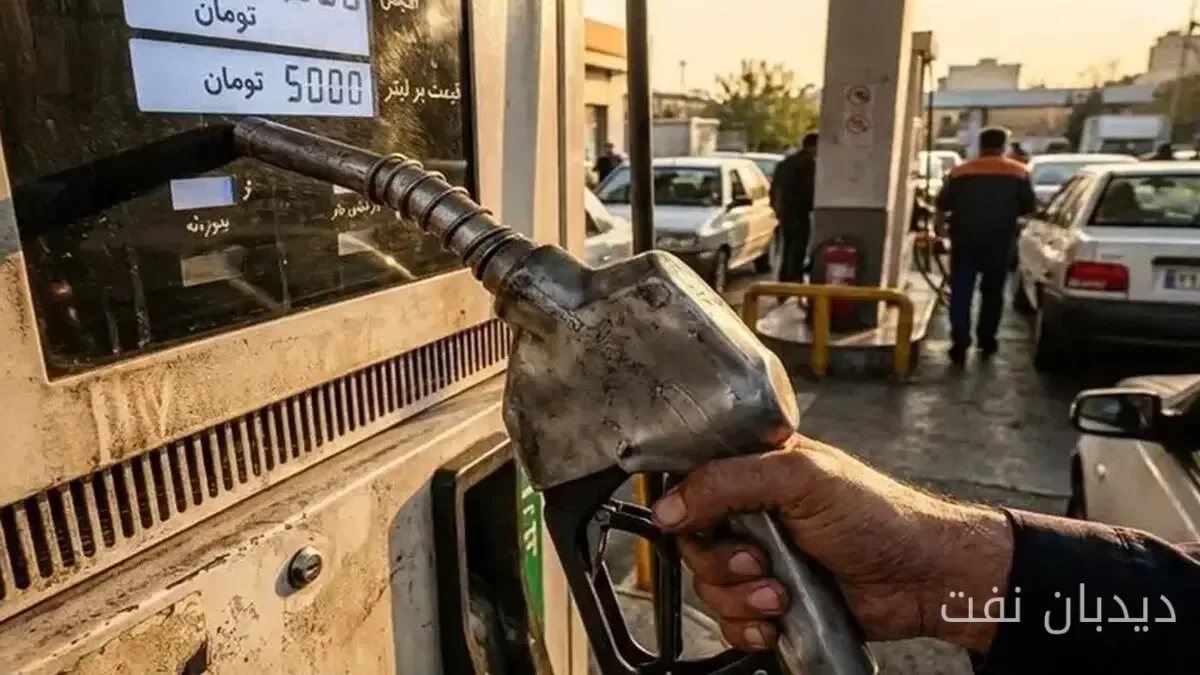
Navaz mentioned the collection of a fee of one thousand tomans for issuing a refueling code with the free card of the stations, stating that this fee is not related to the income of the station owners and its basis and authorization must be clearly defined. He also noted that in the initial days of the scheme's implementation, some citizens believed that this amount belonged to the fuel station.
Read more: 42% decrease in Qatar's government revenues due to disruption in gas exports
The manager of the smart fuel system also referred to bank authentication and stated that the possibility of charging a fee of up to five thousand tomans has been anticipated, but the current fee of one thousand tomans is set to cover infrastructure and support costs.
Transfer of Gasoline Quota to Bank Cards
One of the important topics of this discussion was the latest status of the plan to transfer the gasoline quota from fuel cards to bank cards. This plan aims to enable the use of fuel quotas through the bank cards of vehicle owners. According to the manager of the smart fuel system, the necessary arrangements for expanding the pilot implementation of this plan in five provinces have been made.
Navaz also stated that fuel station owners have no objections to the law of transferring the gasoline quota to bank cards and are cooperating to advance it. However, no specific time was announced for the nationwide implementation of the plan, and the expansion of the pilot implementation was described as a phase of its preparation process.
The manager of the smart fuel system emphasized that in the method of transferring the quota to bank cards, a connection between the payment process and the fuel quota is established, while the identification scheme for emergency cards depends on the authentication of the user before refueling.
Overall, given the implementation of new fuel delivery methods, there are concerns about potential problems for fuel station owners and citizens that must be seriously addressed. Navaz stressed the importance of following up on issues and receiving public feedback to identify and resolve operational shortcomings.
Read more: Decrease in fuel consumption after the government's new gasoline plan · Discovery of 2,000 liters of smuggled diesel in Azarshahr by Colonel Gholamhossein Zahed