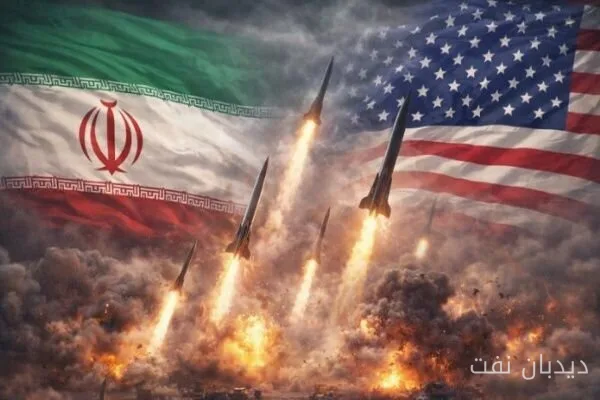
The volume of oil exported from the Middle East has reached 92% of the levels before the war, despite the sanctions and restrictions imposed on Iran. This data has been published based on analytical reports in the last week of September.
Factors Increasing Oil Exports
Reports indicate that three key factors have contributed to the return of oil exports. The first factor is the escorting of ships with the help of the U.S. military, with the number of escorted vessels in September increasing by one-third compared to August. The second factor is the use of shuttle tankers to transfer cargo to other ships in the Sea of Oman; more than 70% of the crude oil that passed through the Strait of Hormuz in August was transferred this way. The third factor is bypassing the Strait of Hormuz through pipelines; according to statistics, about 40% of the region's oil exports in September were transported via pipelines to ports in the Red Sea and the Sea of Oman, a significant increase from 17% before the war.
Read more: Daily use of artificial intelligence in the shipping industry by 63% of specialists
Challenges to Oil Export Sustainability
Experts express doubts about the sustainability of this situation and point to the risk of increased attacks from Iran and potential changes in U.S. policy. Additionally, liquefied natural gas and petroleum products like jet fuel remain significantly lower than pre-war levels.
Despite these developments, domestic pressures on both sides have affected Washington and Tehran, making it harder than ever to reach a diplomatic agreement. Deep disagreements between the two sides and mutual distrust, especially concerning nuclear negotiations, have hindered any progress in this area.
In this context, Donald Trump, the President of the United States, announced at a campaign rally in Alabama that the war with Iran would soon come to an end, which could have significant impacts on oil prices. He also referenced U.S. military casualties in this war, claiming that the country's attacks have destroyed Iran's capacity for years.
At the same time, the Group of Seven has announced the release of 100 million barrels of oil and diesel from their emergency reserves to stabilize energy prices. These actions reflect international efforts to control the critical situation in the global energy market.
Ultimately, given the current situation and upcoming challenges, analysts believe there is a possibility of new conflict if a diplomatic agreement is not reached. This situation could have profound effects on the oil market and international security.
Read more: Larijani: The Strait of Hormuz must be preserved with strength · U.S. Coast Guard seizes oil shipment to Cuba



