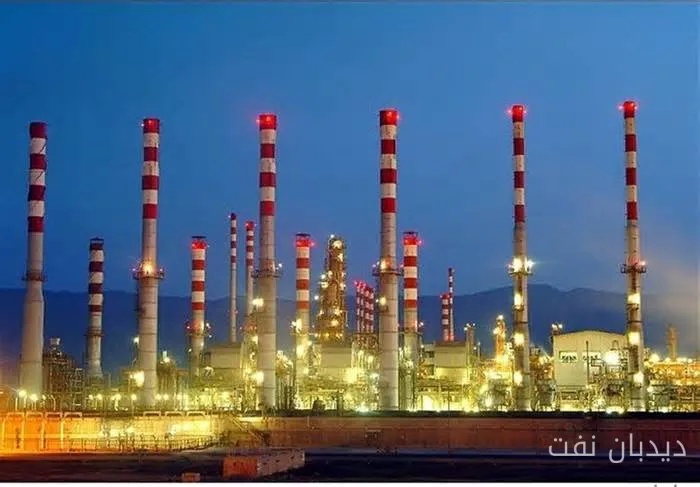
The emergency repair operations of the 8-inch gas condensate pipeline, which runs from the Serkhon Gas Refinery to the Bandar Abbas Oil Refinery, have been completed after a leak was identified at the fifth kilometer of the line. The aim of this repair was to maintain the integrity of the pipeline and prevent disruptions in the supply of feedstock to the Bandar Abbas Oil Refinery.
Importance of the Pipeline for Bandar Abbas Oil Refinery
This pipeline is recognized as a vital artery for transporting the liquid feedstock required by the Bandar Abbas Oil Refinery, and any interruption in its operation could threaten the supply chain of one of the country's strategic refineries. Given this issue, the rapid resolution of faults and prevention of disruptions in the supply chain has been of special importance.
Read more: Havila Shipping Signs New Contracts for Operations in the North Sea
Operational teams, understanding this sensitivity, began the repair operations. In the first phase, these teams conducted field visits and assessed the existing conditions at the site, evaluating the report received about the leak in the pipeline. Then, with the declaration of a crisis situation and informing the relevant authorities, necessary coordination was made with the Serkhon Gas Refinery and the Bandar Abbas Oil Refinery as the destination.
Details of the Repair Operations
Subsequently, by closing the valves located at kilometers zero and twelve of the pipeline and isolating the damaged area, the necessary conditions for safely executing the repair operations were established. During the execution phase, the damaged sections of the pipeline were removed and 36 meters of defective pipe were replaced. This operation was carried out despite challenges such as high ambient temperatures and the re-entry of fluids into the repair area, due to the topographical conditions of the route and the hydraulic status of the line.
The repair of this pipeline was aimed at maintaining the stability of gas condensate transportation and preventing disruptions in the supply of feedstock to the Bandar Abbas Oil Refinery. Thus, the supply chain of feedstock for this strategic refinery continued uninterrupted. The mentioned operations demonstrate operational readiness and inter-agency coordination to protect the country's critical energy infrastructure in emergency situations.
Read more: Union Maritime Orders Two New Platform Supply Vessels from Fujian Shipbuilding · Iran's Oil Production Capacity Reached 3.7 Million Barrels Per Day