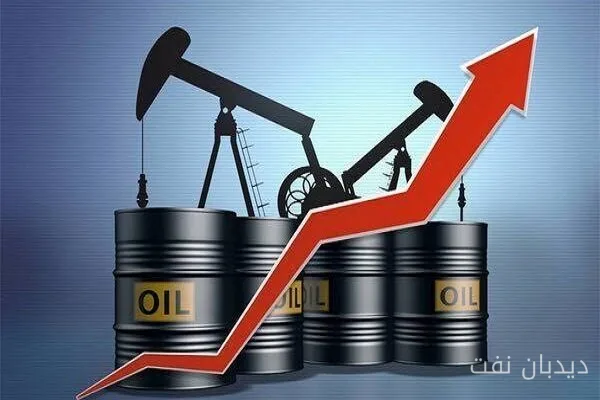
Iran's daily crude oil production capacity has been upgraded to 3.715 million barrels in October 2026. This increase in production capacity is considered a significant achievement for the country's oil industry amid economic sanctions and security tensions.
Capacity Increase and Facility Optimization
This improvement in production capacity reflects the return of 285,000 barrels of new capacity, equivalent to an 8.3% operational increase. Additionally, current production in October 2026 shows a daily increase of 55,000 barrels of crude oil compared to the same month last year. The executive actions during this period included optimizing surface facilities and reviving idle assets.
Read more: National Iranian Oil Products Distribution Company Obligated to Use Smart Fuel Cards
Emergency Plan and Financial Collaborations
In line with this progress, an emergency plan for a 250,000-barrel increase in crude oil production has been initiated with a $3 billion investment package. This project is being implemented with 80% participation from the National Development Fund and 20% from the internal resources of the National Iranian Oil Company. The upstream oil sector has also witnessed the approval of development packages worth €13 billion in renowned fields.
Drilling activities, as a driver of production, continue using 129 drilling rigs in various parts of the country. With the signing of contracts for the supply of 20 new rigs worth $1 billion, operations to drill 270 new wells are also underway.
Challenges in Maintaining Production Capacity
Maintaining the record production of 3.7 million barrels is a more complex challenge than initially achieving this capacity. A significant portion of the country's operational reservoirs is in the latter half of their lifespan and requires the creation of new compensatory capacity. To maintain the existing capacity, the oil industry must create approximately 300,000 barrels of new capacity annually.
Continuing innovative enhanced oil recovery (EOR and IOR) strategies, such as hydraulic fracturing and gas and water injection into depleted fields, is among the essential measures for preserving national wealth.
International and Diplomatic Implications
Registering a capacity of 3.715 million barrels on the international economic scoreboard has implications beyond budgetary aspects. By reclaiming its historical quota in OPEC, Iran is redefining its position as the second-largest producer in the organization. This stabilization under sanctions will strengthen Tehran's diplomatic bargaining power in the global oil market as an indispensable player.
Ultimately, the increase in oil production, which is also included in the seventh development plan, is of special importance and could be considered one of the most significant projects in the country's oil industry.
Read more: Increase in Iran's Daily Crude Oil Production to 3.7 Million Barrels · Increase in Iran's Oil Production Capacity to 3.715 Million Barrels in October 2026