In today's world, many cities have turned into deserts of asphalt and parking lots due to poor design and an overemphasis on cars. However, recent developments in architecture show that this situation can be easily changed. The shortlisted projects for the European Prize for Urban Public Spaces promise a new approach to urban design that focuses on reclaiming streets from car dominance.
Innovation in Public Spaces
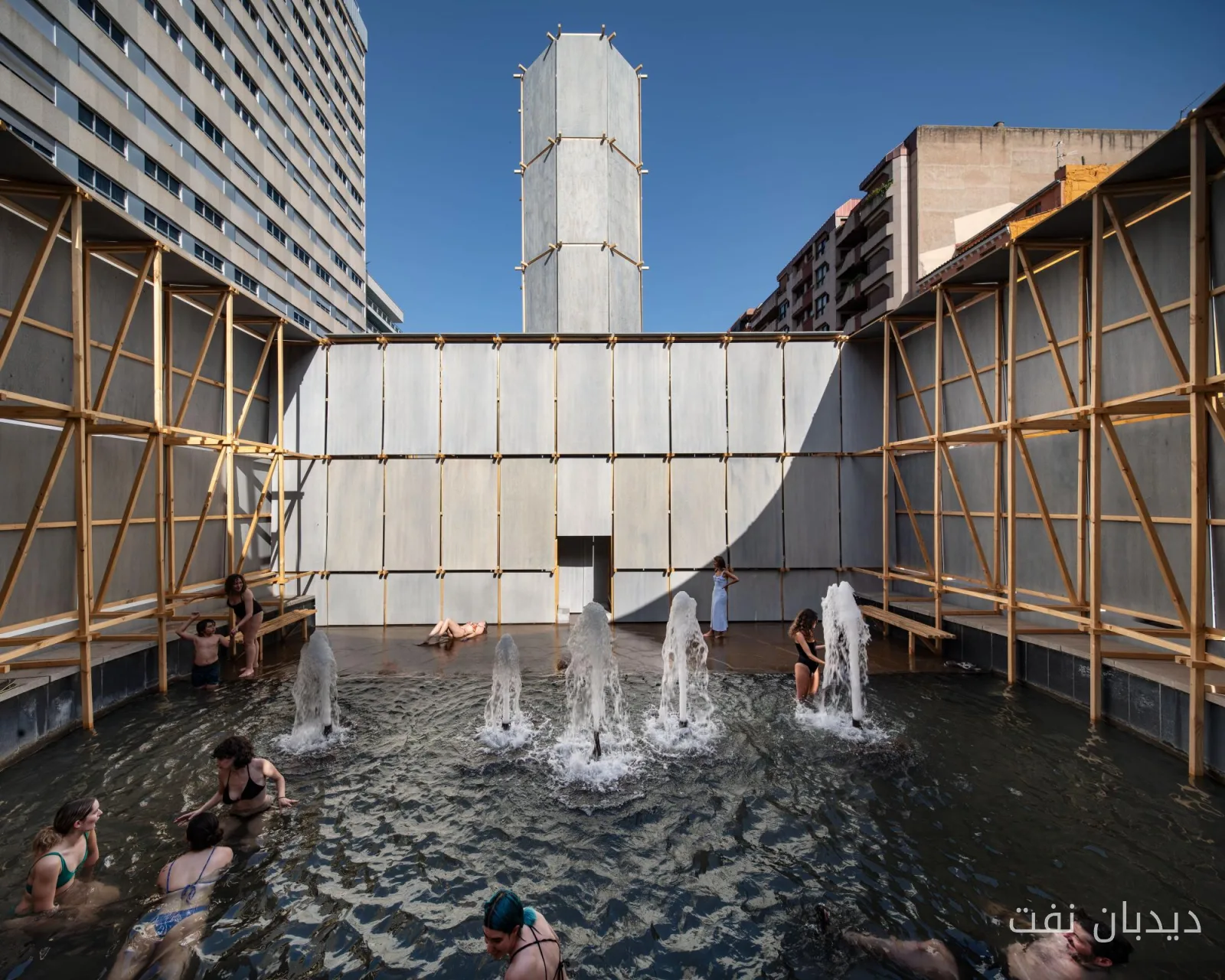
The European Prize for Urban Public Spaces has recently published its shortlist, which includes projects that clearly demonstrate how car-related infrastructure can be transformed into spaces that enhance the quality of life for citizens. These projects include roundabouts that have been turned into water pools, busy streets that have become green oases, and parking lots that are now public gardens.
These initiatives not only beautify cities but also enable residents to better cope with heat and challenges arising from the climate crisis. With rising temperatures and climatic pressures, these green spaces have become safe and pleasant places for rest and recreation.
Challenges and Opportunities
Despite significant advancements, there are still many challenges facing architects and urban designers. Changing public attitudes towards car use and embracing new public spaces requires time and effort. However, these projects show that with determination and creativity, cities can be transformed into better living environments.
Ultimately, this movement towards creating healthy and sustainable public spaces benefits not only the residents of cities but also helps reduce the negative impacts of the climate crisis. Is it not time to turn streets into places for living and breathing instead of succumbing to cars?