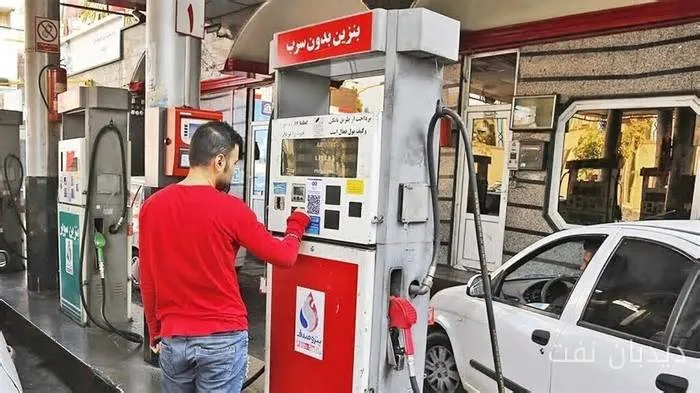
In days when the fervor of discussions regarding gasoline consumption management is hotter than ever, Rashidi-Koochi, a member of parliament, criticized the government's new plans with controversial statements. In his recent press conference, he explicitly stated that even with an increase in gasoline prices to 80,000 Tomans, fuel smuggling will continue.
Endless Challenges of Fuel Smuggling
Rashidi-Koochi pointed out that fuel smuggling continues due to low domestic prices and fluctuations in the global market, asserting that the current government's solutions to control this issue are ineffective. According to him, this will only lead to price increases and ultimately, we will still witness fuel smuggling.
He further added that the government's plans for managing gasoline consumption must be designed comprehensively and with a macro perspective, and merely increasing prices cannot be an effective solution. Rashidi-Koochi referred to other problems related to the distribution and supply of gasoline, stating: "As long as the necessary infrastructure for proper distribution and control is not in place, any price increase will only lead to new problems."
Social and Economic Consequences
This member of parliament also referred to the social and economic consequences of increasing gasoline prices and noted that these decisions, made without considering vulnerable segments of society, could lead to public dissatisfaction and social tensions. He emphasized the need for appropriate measures to support the people and suggested that the government should seek effective solutions to reduce smuggling and improve infrastructure instead of raising prices.
Given Rashidi-Koochi's statements, it seems that the fuel smuggling crisis will remain one of the government's fundamental challenges in the energy sector. Will the government be able to manage this crisis, or will it only resort to raising prices?