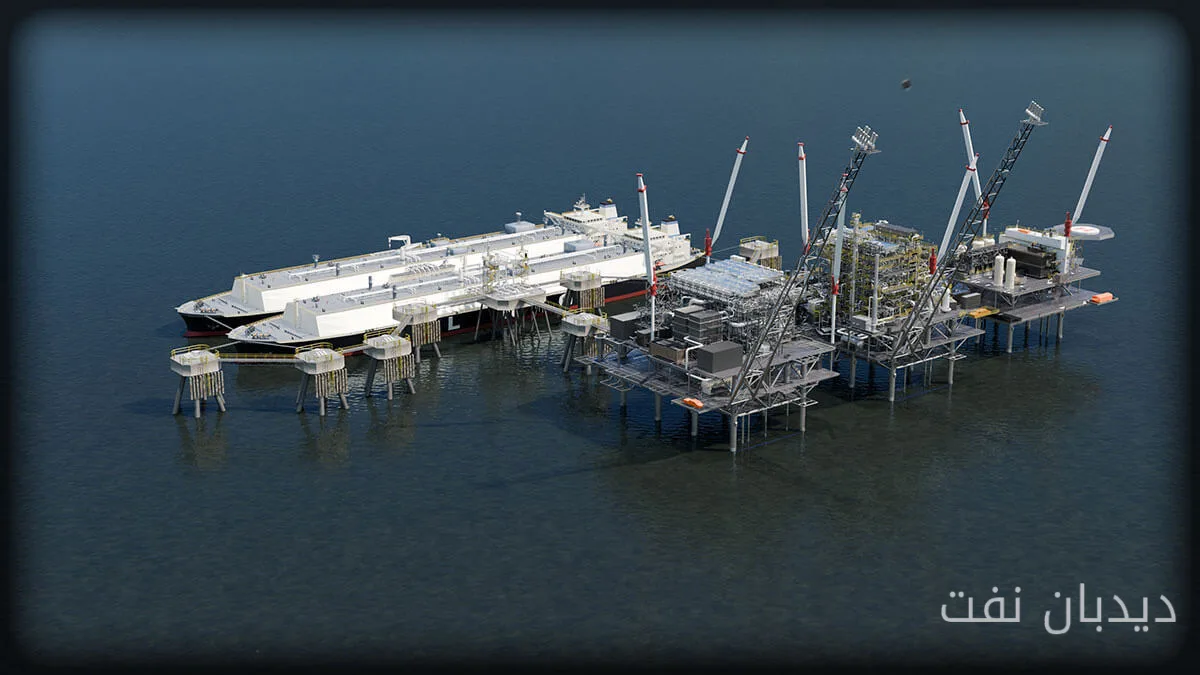
The ST LNG terminal, planned for development on the Texas coast, is considered one of the fastest LNG projects in the United States. This project, which includes a platform-based liquefaction facility, applied for a permit from the U.S. Maritime Administration in June 2025 and achieved a federal final decision on its plans this week. It is expected that this terminal will make its final investment decision by the end of next year and, if progress is positive, will begin loading its first commercial shipments in mid-2030.
Details of the ST LNG Terminal Project
The ST LNG project includes the construction of modular liquefaction plants on platforms and their installation at sea. This terminal, located near Matagorda, Texas, includes four modular liquefaction platforms, each paired with a converted LNG vessel for storage. The total capacity of this project is expected to be around eight million tons per year (mtpa), with an estimated initial investment cost of approximately $8.1 billion. This project benefits from proximity to an existing natural gas pipeline and gas treatment infrastructure, as well as from the rich gas market in Texas.
Read more: United Oil & Gas announces its plans for oil exploration in Jamaica
Regulatory Development and Review Process
Due to its nature, the ST LNG terminal is subject to the regulations of the Deep Water Ports Act of the United States from 1974. The responsibility for reviewing regulatory proposals for DWPA projects has been transferred from the U.S. Coast Guard to the Maritime Administration since early 2026, and MARAD has emphasized its efforts to expedite the establishment of these projects. The National Environmental Policy Act (NEPA) review for the ST LNG project took only 410 days, which is about 70% faster than the historical average. This project is the third plan that MARAD has approved under the DWPA since the beginning of the Trump presidency.
The next step for ST LNG is securing long-term purchase and sale agreements for two mtpa, which is sufficient for the first unit. As the capacity of these facilities fills up, subsequent units will be installed in order. According to ST LNG CEO Sharad Tak, these plans will contribute to the sustainable growth and development of the terminal.