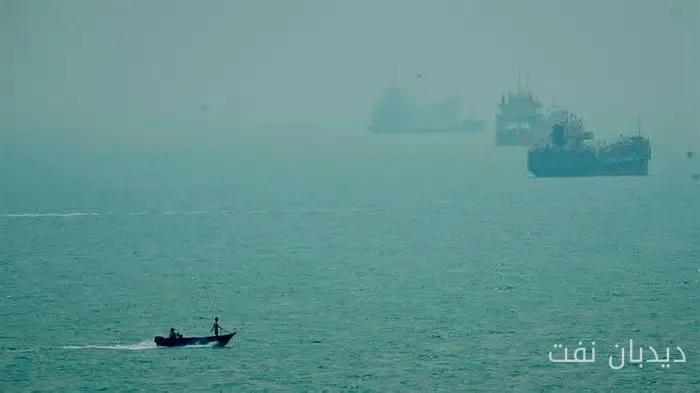
Qatar warned about the closure of Bab-el-Mandeb and its negative effects on maritime transport. Ibrahim bin Sultan Al-Hashimi, Director of Media and Communications at the Qatari Ministry of Foreign Affairs, said at a press conference on Tuesday in Doha that the loss of this important route, while the Strait of Hormuz remains blocked, could be "catastrophic."
Impacts of Closing Waterways
Al-Hashimi stated: "The world is already suffering enough from the closure of the Strait of Hormuz, so we cannot allow Bab-el-Mandeb to be added to this equation." He added that the blockage of international waterways should not become a "new normal" and urged countries to cooperate with each other.
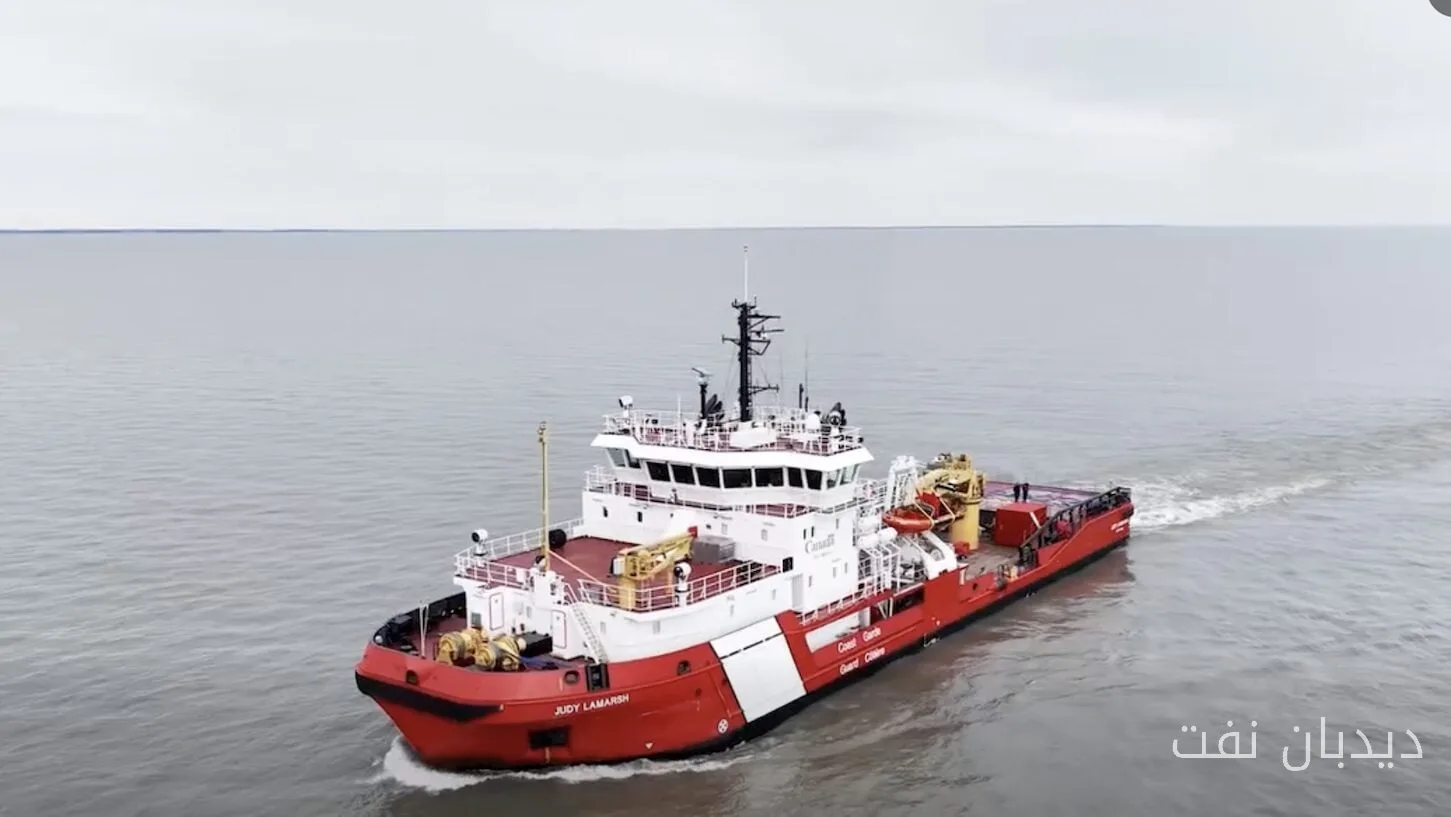
Read more: The Arrival of CCGS Judy LaMarsh to the Canadian Coast Guard Fleet
Houthi Control and Rising Tensions
This warning comes after Iranian-backed Houthis seized several more islands in the southern Red Sea and strengthened their position. Officials from the internationally recognized Yemeni government and Houthi officials announced that the group has taken control of the Hanish Kabir and Saghir islands.
The Houthis have also carried out several attacks against Saudi oil infrastructure and ships in the Red Sea following the announcement of a blockade on Saudi shipping in July. These attacks have increased pressure on energy supplies amid the war with Iran. On the other side of the Arabian Peninsula, the blockades by the U.S. and Iran have previously disrupted shipping in the Strait of Hormuz.
Strategic Importance of Bab-el-Mandeb
Bab-el-Mandeb, which in Arabic means "Gate of Tears," connects the Gulf of Aden to the Red Sea. Ships traveling between Asia and Europe and passing through the Suez Canal must transit this strait. According to the U.S. Energy Information Administration, previous Houthi attacks have caused many ships to reroute around the southern tip of Africa instead of passing through this route, increasing the time and cost of maritime journeys.
The East-West pipeline in Saudi Arabia allows the country to bypass the Strait of Hormuz by transferring oil to Red Sea ports, but tankers moving south from those ports still have to pass through Bab-el-Mandeb. Al-Hashimi concluded by stating that Qatar is working with regional and international partners to support discussions on the freedom of navigation in the Strait of Hormuz.
Read more: Iran: End of Illegal and Inhumane Blockade and Urgent Dialogue on Yemen · The U.S.-Iran Dispute Over the Attack on the Oil Tanker Al-Gaya in the Strait of Hormuz