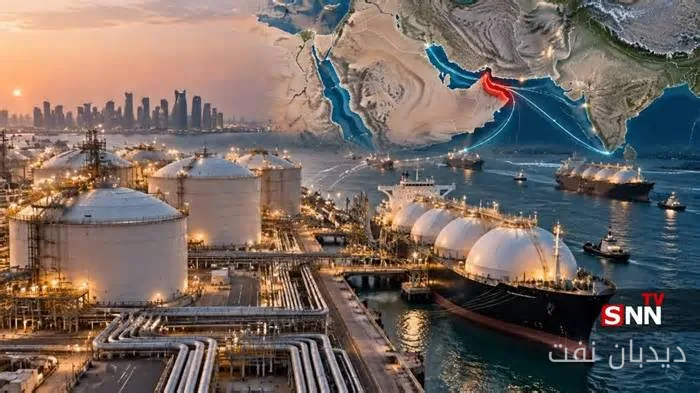
Saad bin Sherida Al-Kaabi, Qatar's Minister of Energy, stated in a statement that the implementation of pipeline construction plans to bypass the Strait of Hormuz is not justifiable due to high costs and technical and commercial challenges. Contrary to the expectations of some analysts, these plans cannot be considered a suitable solution for Qatar's gas exports.
Impact on Gas Investments
This Qatari official emphasized that the implementation of such plans could affect Qatar's extensive investments in the natural gas liquefaction facilities of the North Dome field. According to Al-Kaabi, part of the existing infrastructure could remain unused, which will directly impact Qatar's development plans.
Read more: Hemat Qalizadeh: The Turning Point of Iran's Economic Problems Dates Back to 2007
Qatar's Future Plans for LNG Production
With an annual production capacity of 77.1 million tons of LNG, Qatar is striving to increase this capacity to 142 million tons by 2030. According to statistics, the country's LNG exports are estimated to be around 81 million tons in 2025. This increase in production capacity reflects Qatar's serious determination to maintain and strengthen its position in the global energy market.
Proposed Routes and Challenges
Four proposed routes for the overland transport of Qatari gas include the Sham and Anatolia route, a pipeline along the Dolphin route centered on Oman and Fujairah, the Aqaba to Cairo route and connection to Europe, and the Arab pipeline. However, these routes have not been economically validated, and it seems that Qatar currently prefers to accept the risks associated with maritime transport from the Strait of Hormuz and maintain its existing export terminals.
Conclusion
By emphasizing the unjustifiability of plans to bypass the Strait of Hormuz, Qatar demonstrates its intent to preserve existing infrastructure and develop investments in natural gas. This decision could have significant implications for Qatar's export and development plans in the coming years.
Read more: The Government is Obligated to Create Infrastructure for Reducing Energy Consumption · Increase in LNG Shipments from the Strait of Hormuz Following Reduced Supply Tensions