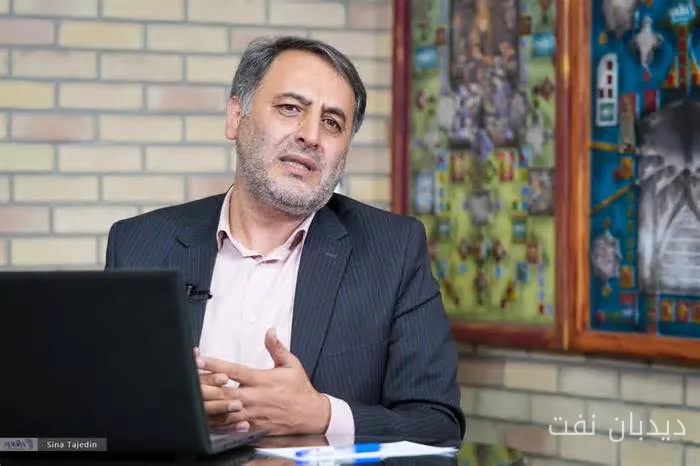
Hemat Gholizadeh, an energy economics analyst, identified 2007 as the turning point of Iran's economic developments. He believes that fundamental changes in the pricing mechanism of oil and the relationship between oil, the government, producers, and consumers that year laid the groundwork for the current economic problems.
Change in the Oil Pricing Mechanism
Gholizadeh believes that in 2007, Iran's economic policymaking entered a "numbers game." According to him, the price of oil consumed domestically transformed from a resource within the economy into a commodity with pricing influenced by global rates. This change is recognized as the beginning of a cumulative trend whose effects have manifested in inflation, production costs, government budget, and income distribution.
Read more: Emergence of Changes in the Shipping Industry Due to the Regionalization of Global Trade
He pointed to changes in the oil pricing mechanism and believes that these changes were initially proposed as a solution to increase energy efficiency and manage consumption, but in practice led to the creation of an "economic black hole." Gholizadeh emphasizes that these changes were overlooked due to a lack of understanding of their economic dimensions at the time, asserting that economic reforms without a proper understanding of the roots will only manage the consequences of problems.
Consequences of Inflation and Wealth Distribution
Gholizadeh also refers to the effects of chronic inflation and changes in wealth distribution. He believes that sustained high inflation has resulted in the transfer of resources from low-income groups to wealthier groups. According to statistics from the Statistical Center, food inflation in rural areas has reached 138%, and this pressure is more evident on the lower classes of society.
The energy economics analyst also pointed to changes in the country's budget structure, considering 2007 as a turning point in this regard. According to him, that year, with a legal decision, an additional 40 Hemat appeared alongside the budget, which he refers to as "legal inflation." Gholizadeh emphasizes that as long as this legal structure is not reformed, the possibility of continued rising inflation will exist.
Finally, he considers the effects of this trend to go beyond economic indicators, believing that economic pressure has reached the standard of living and human capital of society. Gholizadeh states that the effects of inflation and decreased purchasing power are now evident in people's daily lives, particularly impacting the lower income classes.
Read more: Iran and Armenia Trade Reached $385 Million with a 7.5% Growth · Analysis of Iran's Oil Shipment Routes Under Sanctions



