The new electric ferry, recognized as the first electric passenger ferry in Estonia, is being constructed by the Polish shipyard CRIST SA. This project is aimed at improving performance and reducing pollution and will feature advanced Steerprop propulsion technology.
Technical Details of the Electric Ferry
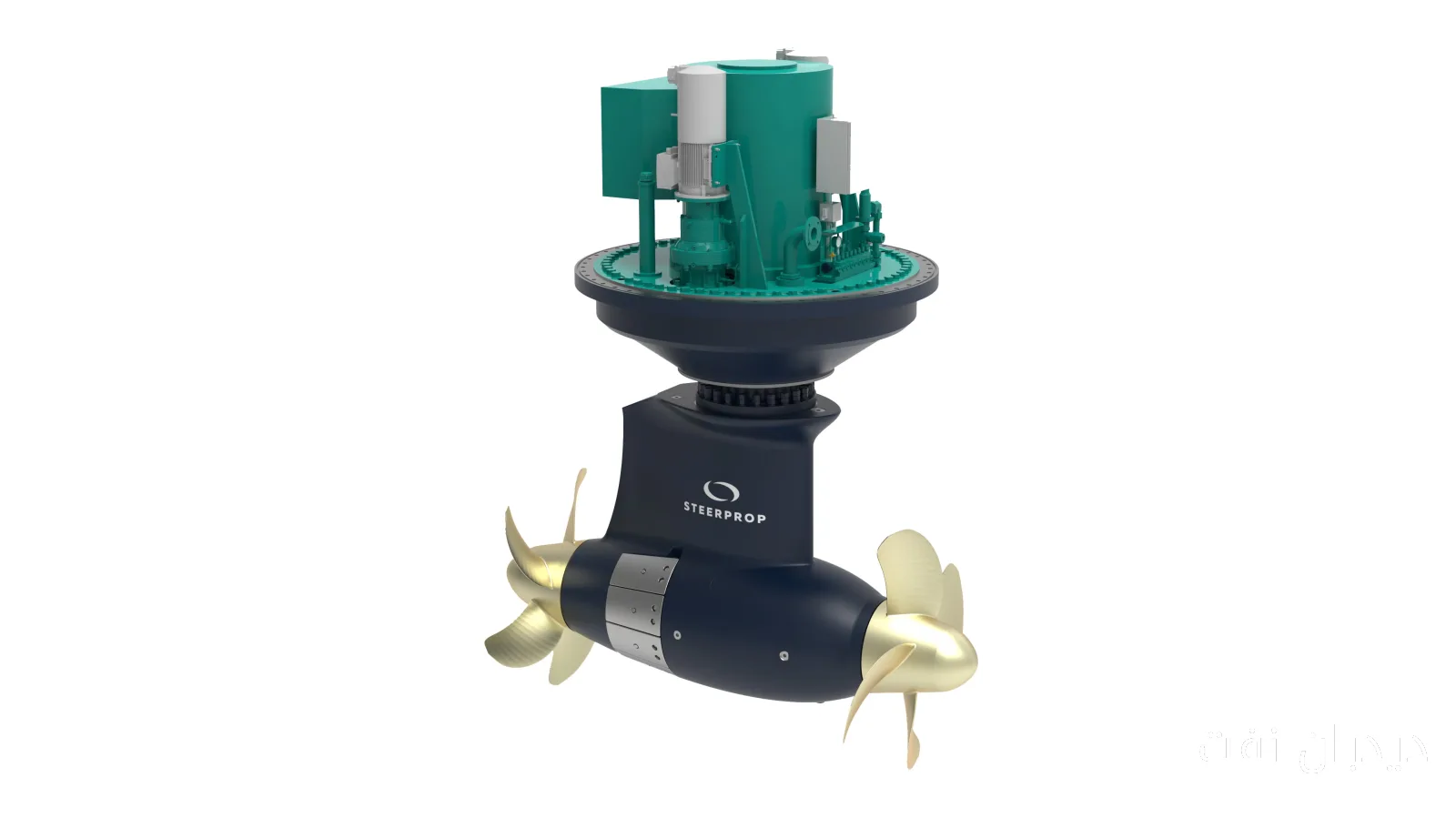
This ferry, designed to be 95 meters long, utilizes two SP 25 CRP Steerprop propulsion units equipped with permanent motors. The CRP (Counter-Rotating Propulsion) technology allows this vessel to operate efficiently in ice, wind, and open waters. Specifically, this technology enhances mechanical efficiency and improves performance in harsh conditions.
Read more: LD Armateurs Unveils the First Cargo Ship with Six Mechanical Sails
Advantages of Using Steerprop Technology
Steerprop technology is selected for its ability to provide high thrust even with the limitations of the chosen propeller size. This unique design of pull and push propellers on a single shaft allows for higher efficiency. Additionally, this technology contributes to reduced energy consumption and pollution emissions.
Marco Minala, the manager of the cruise and ferry division at Steerprop, highlighted the benefits of this technology, stating that this new development in propulsion provides better performance for vessels operating in icy conditions. Steerprop is currently operating four double-ended ferries on the Saaremaa and Hiiumaa routes with this technology in Estonia.
Financial Details and Project Timeline
The total value of the design and construction contract for this ferry is estimated at €49.93 million, funded in collaboration with the European Union modernization fund and Estonia's CO2 trading mechanisms. The delivery of the Steerprop propulsion equipment is expected by late 2027, with the ferry becoming operational.
This ferry will use renewable electricity and will have a 3-megawatt-hour battery system. Additionally, biodiesel generators are planned for harsh weather conditions and emergency operations. This vessel will also be equipped to Ice Class 1B, allowing it to operate in ice up to 60 centimeters thick.
Read more: AskChief Facilitates the Use of Artificial Intelligence in Shipping · Shiraz University at Shiraz Expo 1405 for Exporting Knowledge and Technology