Tara Zarei introduced the opportunities for trade cooperation between Iran and Pakistan in the agriculture and fisheries sectors. She emphasized that the agriculture sector in Pakistan accounts for 23.4 percent of the gross domestic product, and given the country's dependence on imports of essential goods, there are significant potentials for cooperation.
Agricultural Shortages and Trade Opportunities
Zarei added: The agricultural economy of Pakistan faces shortages in edible oils and chemical inputs, while simultaneously developing exports of protein products, rice, and fisheries. This situation provides suitable opportunities for Iran in the areas of exports, investment, and technology transfer.
Read more: Iran's gas shortage reached 250 million cubic meters per day
Collaboration in Processing and Equipment Supply
This expert from the Iranian Fisheries Organization pointed to the potentials of Pakistan's fisheries industry and said: Despite the country's vast coastlines, the development of processing and exporting high-value-added fishery products is still not a priority. Collaboration in processing, sorting, and packaging fishery products could be one of the areas of cooperation between Iran and Pakistan.
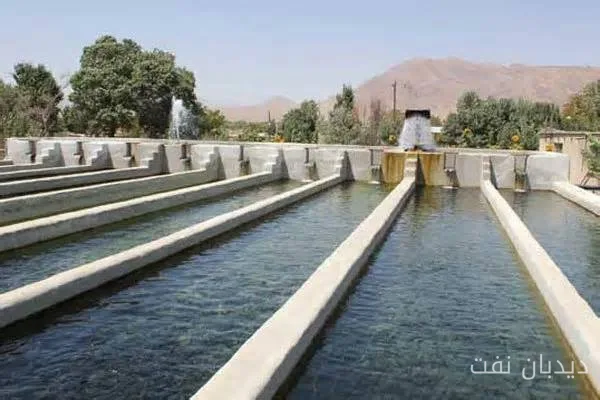
Zarei also mentioned the supply of aquaculture feed and aquaculture equipment as other trade opportunities. Due to the expansion of aquaculture in Pakistan, the demand for aquaculture feed and equipment has increased, and Iranian companies can have effective collaborations in this area.
Export Opportunities in the Oil and Oilseed Sector
Zarei pointed out that Pakistan is heavily dependent on importing edible oil, and a significant volume of oil and oilseeds is imported into the country annually. Exporting crude and refined vegetable oils and protein meals could provide suitable job opportunities for Iranian economic actors.
She further stated: The transfer of technical knowledge and improved seeds is also another area of cooperation. Iranian knowledge-based companies can work on providing improved seeds suitable for Pakistan's climatic conditions.
Diversity of Opportunities and Needs in Pakistan
Zarei referred to the existing capacities in livestock and poultry and said: Pakistan has a significant population of livestock and an active industry in poultry. Standardization programs for slaughterhouses and the development of halal meat exports are underway. Collaboration in the targeted import of meat and carcasses from modern slaughterhouses could be another area of cooperation.
This expert also emphasized the necessity of developing health and quarantine agreements between the two countries and said: Facilitating the exchange of agricultural, livestock, and fishery products could help improve cooperation.
Read more: Increasing Asia's influence in the shipping industry by focusing on human resources · The Vice President of the Iran Chamber of Commerce emphasized the necessity of developing trade with Eurasia