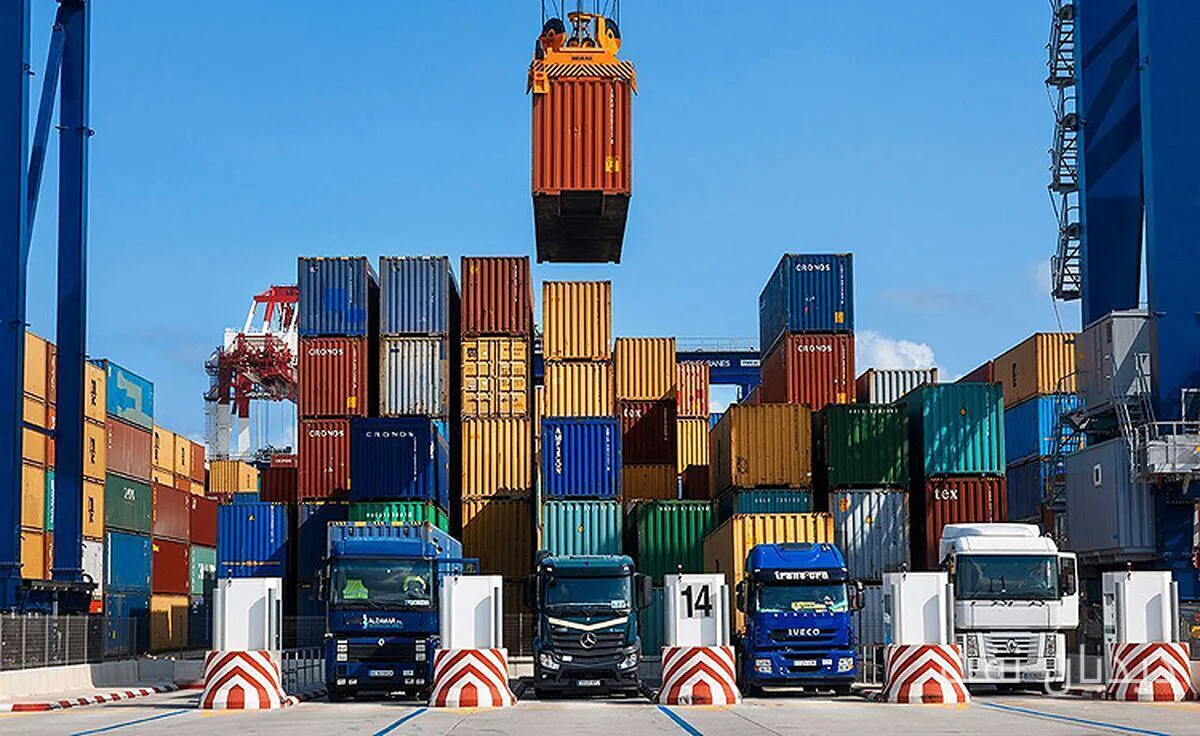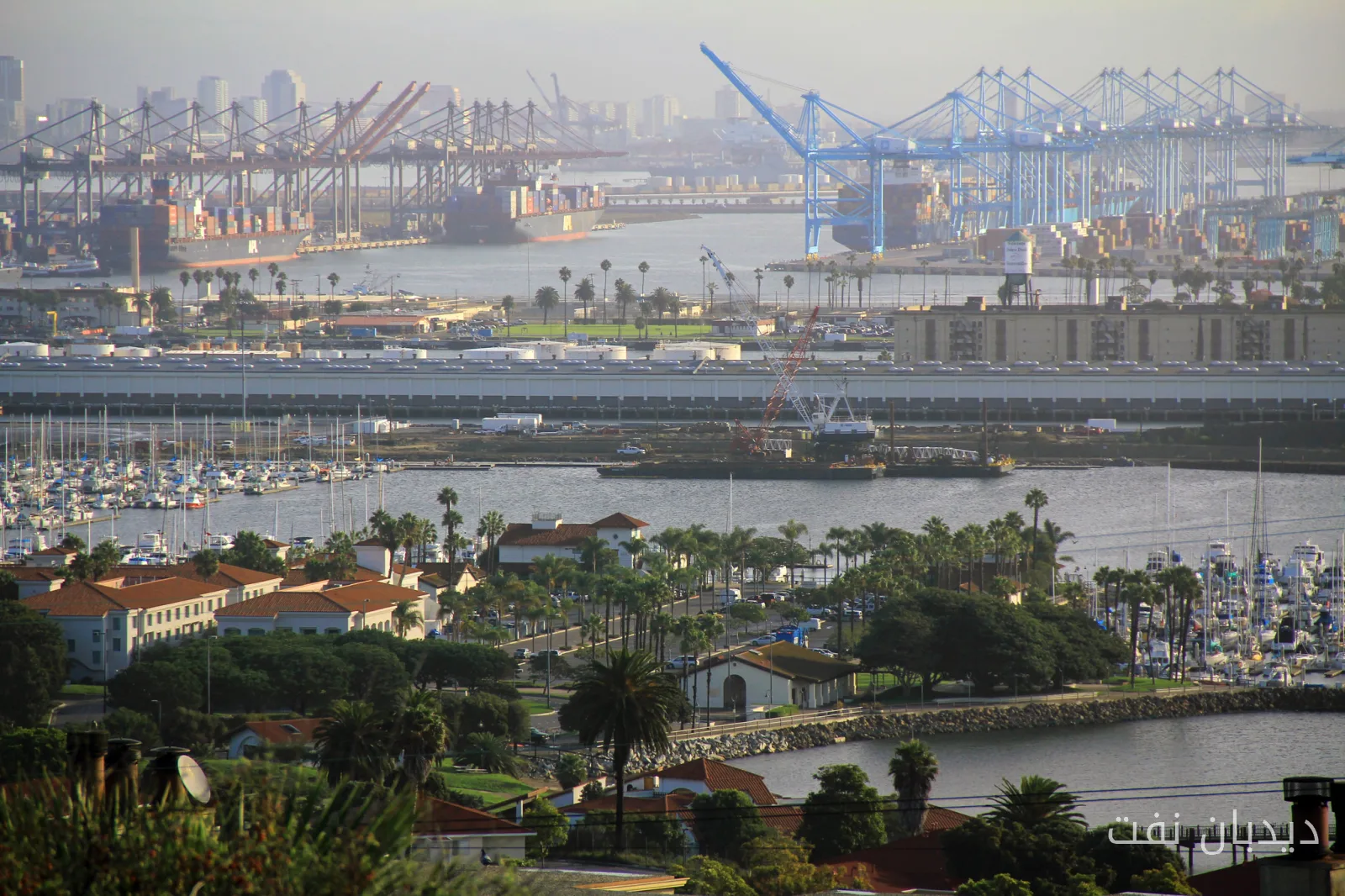
The union of security workers at the ports of Los Angeles and Long Beach (ILWU Local 26) has announced that it will strike if a new contract agreement is not reached by Sunday. This union, which includes 250 members, operates in one of the most important container terminal complexes in the United States, and its strike could affect half of the facilities at the ports of Los Angeles and Long Beach.
History of Negotiations
Negotiations between ILWU and the Pacific Maritime Association (PMA) began last year. Despite federal mediation efforts, the two sides have yet to reach a satisfactory agreement. PMA has stated that there are "significant differences" between the positions of the two parties.
Possible Consequences of the Strike
If a strike occurs, its impacts on port operations and the transportation of goods nationally will be significant. The ports of Los Angeles and Long Beach are recognized as the largest container terminal hub in the United States and set a new record for imported goods volume in September. Together, these two ports handled a total of two million TEU (Twenty-foot Equivalent Units) during that month.
Port of Los Angeles Executive Director Gene Seroka has noted that federal policies have also influenced the increase in cargo volume. He added that "tariffs are lower than the levels seen earlier this year and last year, which gives importers more confidence about costs and allows them to replenish their inventories more quickly."
As the security workers' union and PMA continue their negotiations, there are concerns that a failure to reach an agreement could lead to a strike that might cause serious disruptions in the supply chain of goods.
Read more: Extension of the Exemption Deadline for Chinese Ship Tariffs by the U.S. Trade Representative · New Guide for Facilitating Safe Transition to Green Fuels in Ports