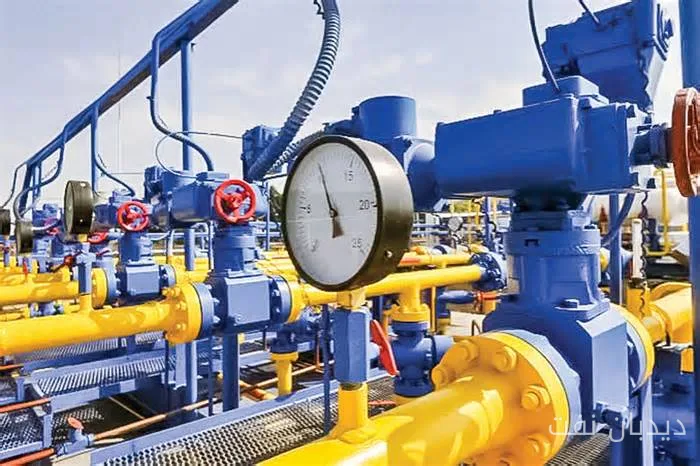
The plan to convert high-mileage vehicles of internet taxis to dual-fuel for free has been implemented to reduce the gasoline imbalance. The gasoline imbalance is no longer a temporary issue and has become a structural challenge for the country's energy economy. With the increase in the number of vehicles, high mileage, fleet wear and tear, and the high share of gasoline vehicles in transportation, the gap between consumption and gasoline supply capacity is widening.
New Policies to Reduce Demand
In this situation, policies that can reduce gasoline demand without putting new pressure on consumers must be seriously considered. The plan to convert high-mileage vehicles to dual-fuel can serve as a technical program for installing gas equipment on a number of vehicles, helping to alleviate gasoline consumption pressure.
Vehicles active on internet transportation platforms are recognized as the highest mileage passenger cars in the country. These vehicles travel more than 100 kilometers daily and have a significant share in gasoline consumption. Therefore, by shifting part of the mileage of these vehicles from gasoline to CNG (compressed natural gas), a significant impact can be made on reducing fuel consumption.
Need for a Comprehensive Strategy in Consumption Management
However, the key point in this plan is how to continue it. Iran has suitable capacity for CNG development in terms of gas resources and distribution infrastructure, but fuel policymaking in recent years has not been such that CNG gains a proportional share in the transportation consumption basket.
Currently, supplying gasoline has become economically more costly, and continuing past policies is no longer justifiable. CNG must be considered as part of the country's long-term strategy for energy consumption management. Converting vehicles to gas alone cannot solve the imbalance problem, and the quality of conversion, safety of tanks, access to stations, and after-sales services must be taken into account.
Internet taxi drivers are looking for vehicles that can continue their work without long stops for refueling and at low costs. Therefore, the success of this plan should be measured by the extent of CNG usage continuity, not just by the number of vehicles registered in the system.
Moreover, the development of CNG should not mean halting policies related to hybrid and electric vehicles. The country needs a diverse basket that includes dual-fuel, hybrid, and electric vehicles. Dual-fuel vehicles can reduce gasoline consumption pressure in the short term, while hybrids and electric vehicles will find their place in the long term.
The plan to convert internet taxis for free can be the starting point for a broader program. By converting 5,000 vehicles into a regular and scalable process, other high-mileage fleets can also be targeted. It is not expected that policymakers will wait for the gasoline imbalance to reach a crisis stage before making decisions.
Ultimately, the gasoline imbalance is not just a production issue; it must also be managed from the consumption side. The sooner this reality is accepted in the policymaking of the automotive and energy industry, the lower the cost of future reforms will be.
Read more: Australia ranks first in global barley exports in 2025 · Controlling gasoline imbalance by reviving CNG in the fourteenth government