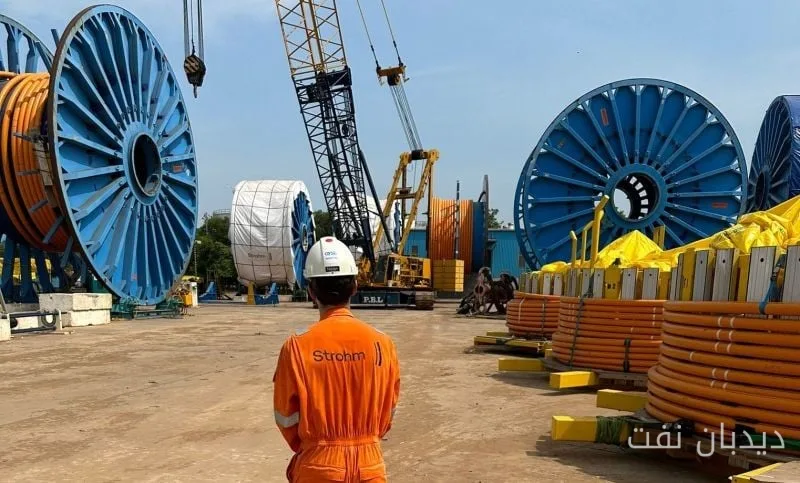
Petrobras has signed a contract with Strohm for the supply of thermal composite pipes (TCP) at a maximum depth of 1,500 meters for a project in the deep waters of Brazil's post-salt province. This project is designed to test the capabilities of TCP technology for water injection and gas lift applications in real operational conditions.
Contract Details and Project Goals
Under this contract, Petrobras has tasked Strohm and its subsidiary, Strohm Brazil, with supplying thermal composite pipes for Brazil's post-salt clusters. In addition to supplying these pipes, the contract includes quality testing, project engineering, field services, and support for testing and installation at sea. These composite pipes can provide long-term reliability due to their non-corrosive and retrievable design, reducing the need for periodic maintenance.
Read more: ESL Shipping Signs Long-Term Transport Contract with Stegra
Benefits of Using Thermal Composite Pipes
Thermal composite pipes made from carbon or glass fibers reinforced with polyethylene or polyamide are significantly lighter and easier to handle than conventional flexible and rigid piping systems. Due to their non-corrosive design, these pipes can undergo continuous inspections of pipeline integrity without compromising their performance. According to Martin van Onna, CEO of Strohm, this contract represents a strong collaboration between the two companies and Petrobras's commitment to utilizing advanced piping technologies in its operations.
This contract marks a milestone in the development of piping technologies in Brazil and reflects Petrobras's trust in Strohm's products and expertise. Petrobras, recognized as a leader in flexible piping solutions, aims to enhance operational efficiency and reduce production costs.
The outcome of this collaboration could have positive impacts on Brazil's oil and gas industry, contributing to increased efficiency and reduced costs in oil production.
Read more: Oil and Development: Launch of a Major 1,635-Kilometer Pipeline Project in 2027 · Unprecedented Growth in Brazil's Oil Exports Amid China's Demand for Iranian Oil