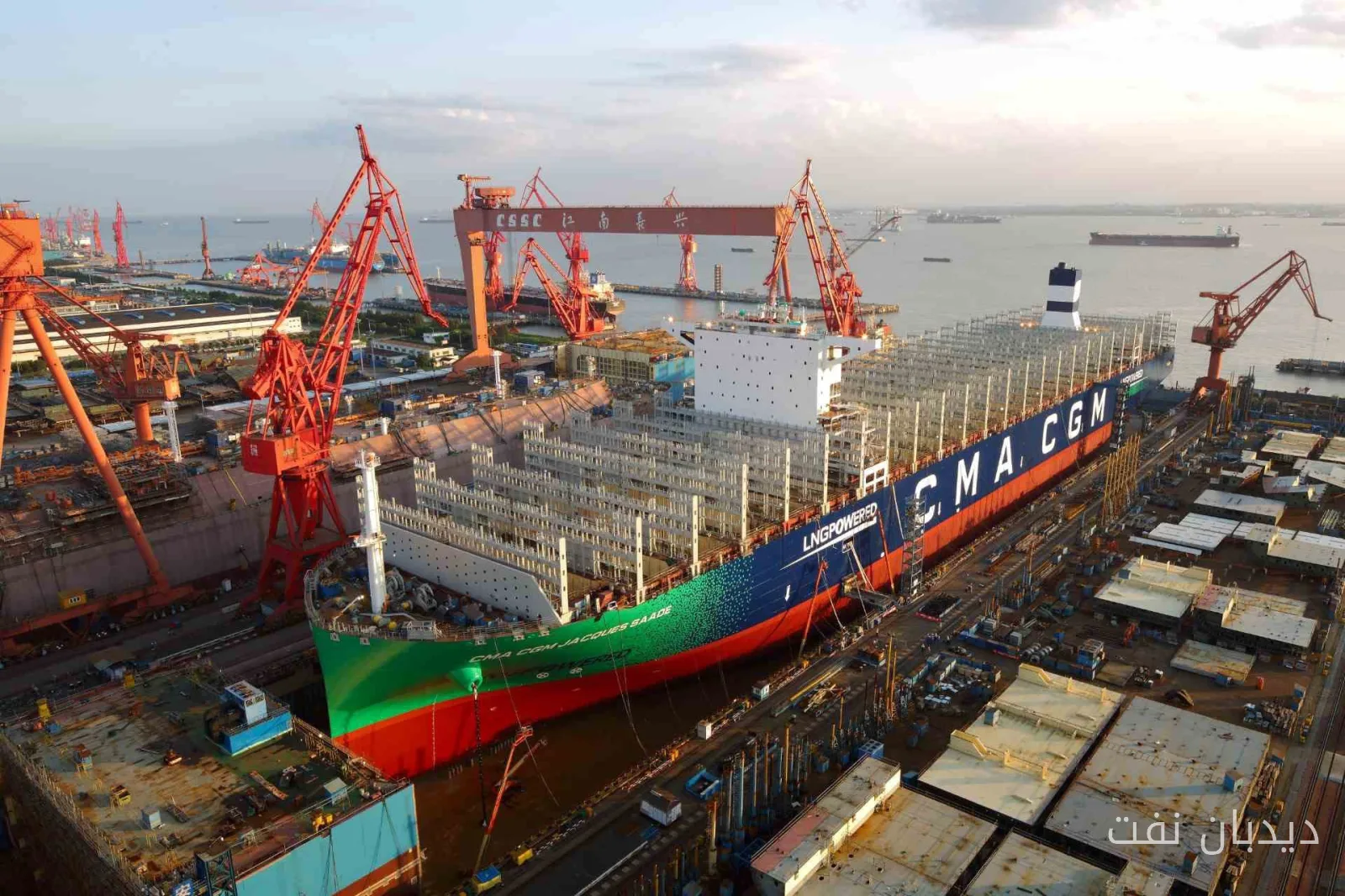
In September 2026, 69 alternative fuel ships were ordered, marking the highest monthly total since October 2024. This increase clearly indicates a remarkable rebound in orders during the third quarter of this year.
Total Orders in the Third Quarter
With September's activities, the total orders for the third quarter reached 168 ships, making it the busiest quarter since the same period in 2024. Since the beginning of 2026, 311 orders for alternative fuel ships have been recorded, representing a 53% increase compared to the same period in 2025.
Read more: Ali Asghar Tahmasbi: All agencies must be ready to manage energy imbalance and get through winter
Distribution of Fuel Types and Ships
Among the 69 orders placed in September, 48 orders were for LNG-fueled ships, including container ships, car carriers, and cargo ships. Additionally, 12 orders were for ethanol-fueled cargo ships and 9 orders for LPG ships. This diversity reflects the industry's efforts to utilize multiple fuel types instead of relying solely on one source.
According to reports, this increase in orders comes as shipowners face challenges from uncertainties in fuel costs, infrastructure, and regulations regarding greenhouse gas emissions. DNV has pointed out the potential impact of regulatory changes on the economics of alternative fuels in its recent forecasts.
In recent years, the share of alternative fuel-capable ships in the global fleet has risen from 0.4% in 2020 to 5.2% in 2026. This change is primarily due to the adoption of LNG and methanol systems.
However, many dual-fuel ships still predominantly operate on conventional fuels, as lower-emission options remain costlier and their availability varies across different regions. Nevertheless, new statistics indicate that shipowners are still willing to invest in alternative fuel capabilities as part of their long-term fleet strategies.
Read more: Israel Removes Review of Hapag-Lloyd and Zim Deal · Centrica Signs Long-Term Supply Contract for Liquefied Natural Gas from Canadian Project