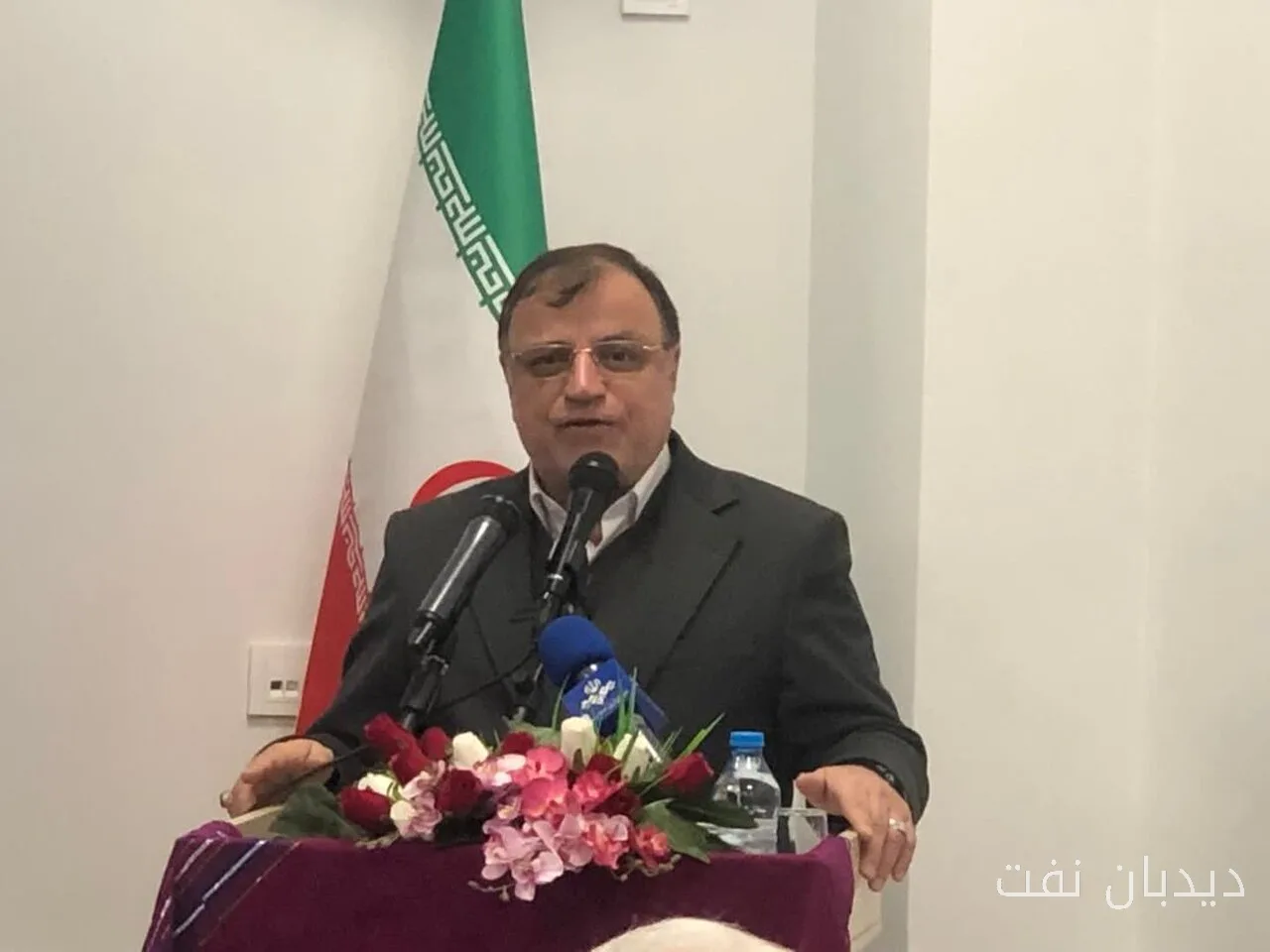
Ali-Asghar Tahmasbi stated this morning _Thursday, October 1_ in a meeting to review the energy situation in Golestan province with the presence of the Deputy Minister of Oil and the CEO of the National Gas Company of Iran: After the damage inflicted on the country's gas infrastructure, the government and the Ministry of Oil have taken extensive measures to restore some of the capacities that have gone offline and to increase the readiness of the network.
Continuous meetings for gas imbalance management
Tahmasbi pointed out that continuous meetings for managing gas imbalance in the province have been held: After the war, numerous weekly meetings with relevant agencies have been conducted to examine various scenarios, including reducing gas pressure and critical conditions, and necessary programs have been developed for different sectors.
Read more: The Governor of Sistan and Baluchestan emphasized revising the energy supply model
Reviewing the status of industries and agriculture
The Governor of Golestan stated: In these meetings, the status of industries, agricultural units, poultry farms, greenhouses, bakeries, and other consuming sectors has been reviewed to minimize damage to the people and production in the event of potential restrictions.
He also emphasized the importance of fuel supply for the agricultural sector, saying: Golestan plays a crucial role in ensuring the country's food security, and a significant volume of the country's chicken production is supplied from this province daily. Therefore, ensuring the fuel needed for poultry farms and agriculture-related industries is of special importance.
Tahmasbi stressed the necessity of field supervision over fuel reserves, stating: Governors, as heads of crisis management in counties, have been tasked with cooperating with supervisory and service agencies to examine and verify the status of fuel reserves of various units, including bakeries.
He further added: In a situation where the country is facing various challenges, all agencies must be responsible and strive to increase community resilience and maintain sustainable services.
The Governor of Golestan pointed out the limitations of the fuel supply fleet, stating: Golestan province needs support and cooperation from other provinces in terms of fuel supply and transfer to get through peak consumption conditions and complete the necessary reserves.
He expressed gratitude for the efforts of the National Gas Company, the Ministry of Oil, and the service agencies, saying: Managing energy in the current situation is a difficult and sensitive task, and all officials must collaborate and coordinate to ensure the sustainability of services to the people.
Tahmasbi also emphasized the importance of preparedness in various infrastructural sectors, stating: Just as planning must be done for gas imbalance in winter, planning must also be done now for potential challenges in water and electricity in future seasons.
In conclusion, the Governor of Golestan noted: The people of Golestan province have always been there for the country and the system in difficult times, and it is the responsibility of officials to respond to their trust and support with appropriate service delivery.
Read more: Norden is focusing its investment changes from tankers to dry cargo · Seven scenarios for reducing gas imbalance in Golestan developed by Ali-Asghar Tahmasbi



