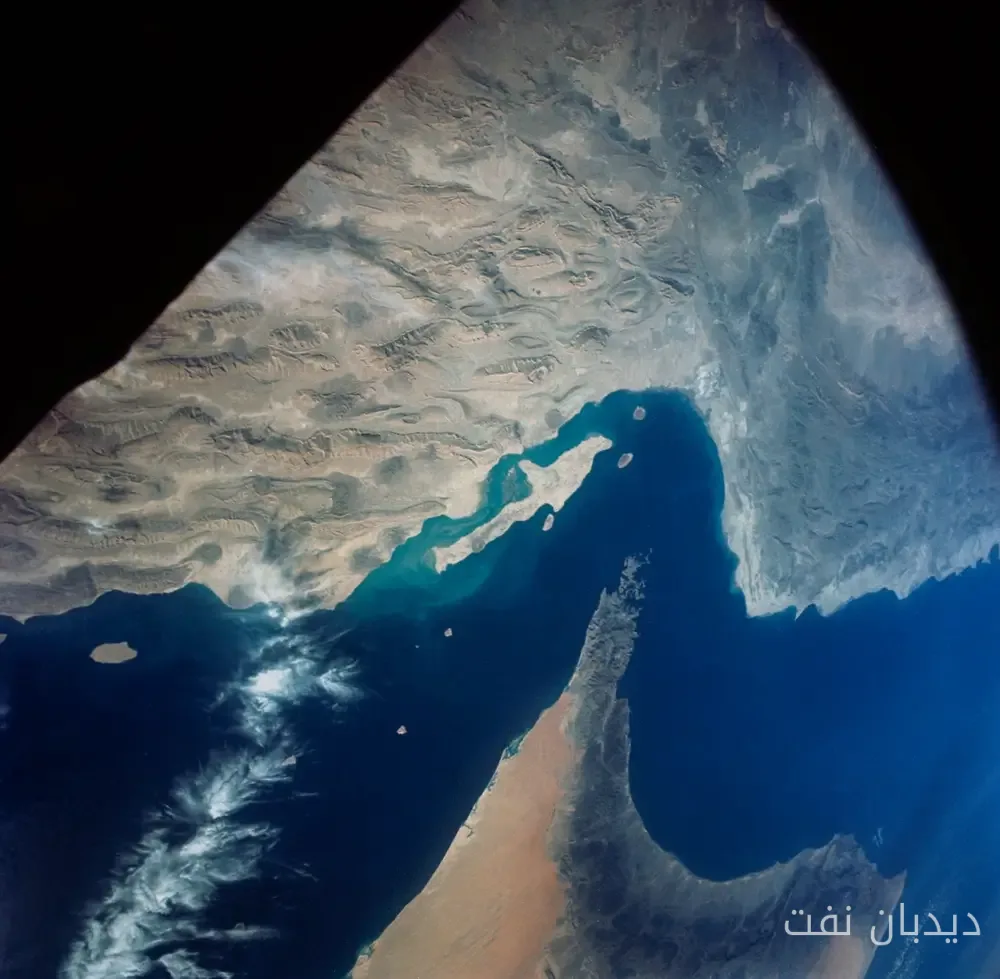
Oil exports from the Persian Gulf have surpassed pre-war levels between the United States, Israel, and Iran. According to reports, the Gulf Cooperation Council (GCC) countries are now exporting about 24 million barrels of oil per day from this region, which includes volumes transferred through pipelines as well.
Increase in exports amid high-security risks
This increase in exports is particularly due to the security that the United States has provided for shipping routes on the southern side of the Strait of Hormuz. Currently, about 14 million barrels of crude oil are being transported through this route, despite ongoing risks of Iranian attacks. The level of risk is high, but the daily rental rates for ships have also significantly increased, drawing more vessels to this market.
Read more: Brent oil price drops to $108.655 amid supply concerns
Additionally, the existence of a "Hormuz Shuttle Service" that includes short-distance vessels helps in transferring oil from the Persian Gulf to Fujairah for transfer to other ships. According to sources, several hundred ships are actively involved in various aspects of this trade.
Oil price tensions and transportation costs
Although oil exports from the Persian Gulf have increased, oil prices remain above $100 per barrel. This is due to high rental rates for VLCC and Suezmax ships. The cost of transporting oil from the Persian Gulf to Asia is now over $35 per barrel, creating a new market dynamic where transportation costs effectively influence crude oil prices.
The U.S. government hopes to improve this situation by increasing access to ship capacity. Their plan is to create routes for the resale and legitimization of hundreds of "shadow fleet" ships operating in sanctioned trades. However, market analysts are skeptical about whether this plan can scale up, as shadow fleet ships are currently profitable in their existing roles, and there are few options available for qualified and insurable ships.
Read more: Isfahan refinery sets the best operational readiness record · Kpler expands collaboration with Airbus to track dark fleet